
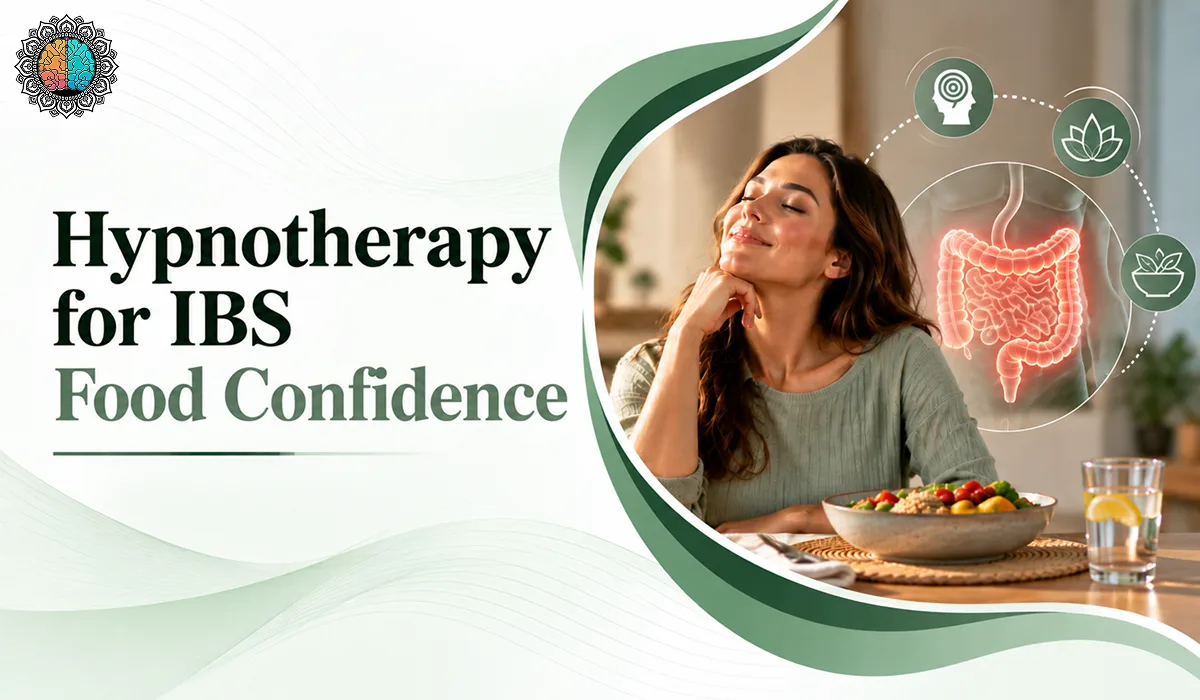
From Food Fear to Food Confidence: Can Hypnotherapy Help People With IBS Eat More Comfortably? For people with IBS, eating can sometimes become stressful. Worry about bloating, abdominal discomfort, bowel changes, or other IBS symptoms may create fear around certain foods or even meals themselves. Over time, this can affect both eating habits and confidence. Hypnotherapy for IBS takes a mind-body approach by focusing on relaxation, stress responses, and the gut-brain connection. It may help some people manage food anxiety, reduce worry about digestive symptoms, and develop a calmer relationship with eating. But can hypnotherapy for IBS symptoms actually help people eat more comfortably? Let’s explore how IBS-focused hypnotherapy works, its potential benefits, and where it fits alongside other approaches to IBS management. TL;DR Gut-directed hypnotherapy may improve overall IBS symptoms and abdominal pain, although results vary between individuals. Hypnotherapy may help people address fear around meals and negative associations with eating. By addressing excessive worry, hypnotherapy may help people feel more comfortable with meals, social occasions, and everyday activities. Hypnotherapy can complement medical care and appropriate dietary guidance, but it is not a guaranteed cure for IBS. What is hypnotherapy for IBS? Hypnotherapy for IBS is a therapeutic approach that uses guided relaxation and focused attention to help people work with thoughts, emotions, and behavioral patterns that may influence how they experience digestive symptoms. It does not mean being unconscious or losing control. You remain aware and able to respond throughout the session. IBS is closely connected to the gut-brain connection, which is why stress and emotional responses can sometimes affect how digestive symptoms are experienced. Hypnotherapy for digestive health focuses on calming the nervous system and developing a more relaxed response to sensations, stress, and eating. Benefits of Hypnotherapy for IBS The potential benefits of hypnotherapy for IBS go beyond simply helping someone relax. 1. May Help Reduce Overall IBS Symptoms Hypnotherapy for IBS symptoms may help reduce the overall impact of IBS on everyday life. A 2025 systematic review and meta-analysis of 12 studies involving 1,158 people with IBS found that gut-directed hypnotherapy may improve overall IBS symptoms, including abdominal pain. For someone who regularly experiences bloating or stomach discomfort before work, learning to relax and respond differently to those sensations may make the symptoms feel less overwhelming and easier to manage. 2. May Help With Abdominal Pain and Discomfort Abdominal pain can make everyday activities, including eating, travelling, or going to work, feel stressful. Hypnotherapy for abdominal discomfort may help change how the brain and gut respond to these sensations. In one digital gut-directed hypnotherapy study involving 378 participants, 30.9% of people receiving hypnotherapy were abdominal-pain responders during the final four weeks, compared with 21.5% in the muscle-relaxation group. This could mean that instead of immediately thinking, My stomach hurts, so I shouldn’t eat, a person may learn to recognise the sensation without adding another layer of fear or tension to it. 3. May Reduce Anxiety Around Food Repeated IBS symptoms can make people nervous about eating certain foods or even eating in public. Hypnotherapy for food anxiety may help address the worry and negative associations that develop around meals. For example, someone who constantly thinks, If I eat this, I’ll probably have symptoms later, may learn to challenge that automatic fear and approach suitable meals with greater calm, while still following appropriate dietary advice. 4. Help Break the Food-Fear Cycle IBS can sometimes create a cycle where digestive symptoms lead to fear, fear increases stress, and increased attention to digestive sensations makes eating feel even more difficult. Hypnosis for food fear may help interrupt this pattern through relaxation and changes in unhelpful thought patterns. A person who has stopped eating before travelling because they are afraid of needing a bathroom urgently may gradually become more comfortable preparing for a trip without spending the entire journey worrying about their stomach. 5. Supports a Calmer Gut-Brain Response The gut-brain connection is important in IBS because the brain and digestive system continuously communicate. Hypnotherapy for gut health aims to encourage a calmer response to digestive sensations and stress. Research discussed by the British Society of Gastroenterology suggests gut-directed hypnotherapy may influence processes such as gut motility, visceral sensitivity, and gut-brain pain processing. So, the goal isn’t simply to “think positively.” It is about helping the nervous system respond to digestive sensations with less tension and alarm. 6. May Improve Quality of Life IBS can affect more than digestion. Constantly planning around symptoms can make people avoid social events, travel, meals outside the home, or other activities they normally enjoy. In a 2024 randomized study of 244 participants, 81% of people receiving a digital gut-directed hypnotherapy program met the study’s primary symptom-improvement endpoint, compared with 63% in the active-control group. The hypnotherapy group also reported greater improvement in IBS-related quality of life. For example, improvement may look like feeling comfortable enough to accept a dinner invitation without spending the whole day worrying about whether IBS symptoms will interfere. 7. Support Long-Term IBS Management Hypnotherapy for IBS management may also teach relaxation and coping techniques that people can continue using outside therapy sessions. A 2025 follow-up study found that 61.8% of 207 patients who completed the two-year follow-up remained responders after nurse-administered gut-directed hypnotherapy. This suggests that some people can maintain improvements over time, although results vary and hypnotherapy is not a guaranteed long-term solution for everyone. 8. Help Manage Stress That Makes IBS Harder to Handle Stress does not explain every IBS symptom, but it can influence how individuals experience digestive sensations. Hypnotherapy for stress and IBS may help people develop a more relaxed response to stressful situations. For instance, someone who notices more bloating or bowel discomfort during demanding workdays may use relaxation techniques learned through hypnotherapy to manage stress before it becomes overwhelming. Final Thoughts If food anxiety or stress is affecting your relationship with eating, working with a qualified practitioner may help you explore these patterns. At ManahSculpt, Jigeesha Pandya, a certified hypnotherapist, can help
Stress Relief 101: How Hypnosis and Mind Coaching Create Calm in Chaos
Stress Relief 101: How Hypnosis and Mind Coaching Create Calm in Chaos Stress can build gradually through everyday responsibilities, emotional pressure, uncertainty, and constantly racing thoughts. Gallup’s global research found that 37% of adults worldwide experienced a lot of stress during the previous day, showing how common stress has become in daily life. Finding ways to slow down and respond to stress differently can help. That’s where hypnosis for stress relief may encourage relaxation and help you become more aware of unhelpful thought patterns, while coaching can offer practical support for managing triggers and developing healthier coping habits. Highlights Hypnosis for stress relief can promote relaxation and help calm an overactive mind. Hypnotherapy for stress may help you recognize and change unhelpful stress-related thought patterns. Hypnosis can support emotional balance, relaxation, and healthier responses to overwhelm. Stress relief coaching adds practical strategies for managing triggers, habits, and everyday pressure. Hypnotherapy and coaching can work together to support a calmer mindset, better coping strategies, and long-term stress management. But how do these approaches actually work? In this guide, we’ll explore how hypnotherapy for stress relief may support a calmer mind and how combining hypnosis and coaching can help with relaxation, emotional balance, and everyday stress management. What is Hypnotherapy for Stress Relief? Hypnotherapy for stress relief uses focused attention, guided relaxation, visualization, and therapeutic suggestions to help you respond to stress differently. As per American Psychological Association, during hypnosis, you remain aware and in control, but your attention becomes more focused, which can make it easier to work with habitual thoughts and emotional responses. How Hypnosis Helps with Stress Relief? Stress is not only about what happens around you; it is also about how your mind responds to what happens. Hypnosis for stress relief can help you slow down that automatic reaction and create space for a calmer response. A randomized controlled study found that a five-week hypnotherapy program significantly reduced perceived stress in adults with elevated stress levels, with benefits still seen at 12 weeks. During a session, guided relaxation can help reduce mental tension and shift your attention away from constant worrying. Once you are deeply relaxed and focused, therapeutic suggestions and visualization can help you work with stressful thought patterns, negative thinking, and habitual emotional responses. For example, instead of automatically moving from a stressful situation to “I can’t handle this,” you can practice responding with greater calm and perspective. Over time, this can support healthier coping patterns and emotional resilience. Benefits of Hypnosis for Stress Management When stress starts affecting your thoughts, emotions, and everyday routine, hypnosis for stress relief may offer a way to slow down and develop a calmer response. Some benefits people may experience include: Feel more relaxed: Helps create a deeper sense of mental and physical relaxation. Calm an overactive mind: Can help you step away from constant worrying and racing thoughts. Manage everyday stress: Supports healthier ways of responding to work, relationships, responsibilities, and other common stressors. Sleep more peacefully: Relaxation techniques may make it easier to unwind and prepare the mind for restful sleep. Feel more emotionally balanced: Can help you respond to challenging situations with greater calm rather than reacting automatically. Reduce mental overwhelm: Gives you space to slow down, refocus, and feel more in control. Build healthier thought patterns: May help you recognize negative or stressful thinking patterns and practice more helpful responses. Develop long-term coping skills: Regular hypnotherapy for stress can be combined with breathing, mindfulness, visualization, and other relaxation techniques to support ongoing stress management. The goal isn’t to remove stress from your life completely. It’s to help you develop a calmer mind and healthier response to stress, so everyday challenges feel more manageable. Can Hypnosis and Mind-Coaching be Used Together? Yes, hypnosis and coaching for stress can complement each other because they focus on different parts of the stress-management process. Hypnotherapy can help you slow down, relax, and become more aware of automatic thoughts and emotional patterns that may contribute to stress. It can create a focused state where you can practice calmer responses and healthier ways of thinking. Stress relief coaching, on the other hand, is more action-focused. A coach can help you identify everyday stressors, set realistic goals, improve coping strategies, and turn insights into practical changes in your routine. Together, hypnotherapy and coaching can work like this: Hypnosis → relaxation and mindset awareness → Coaching → practical action and healthier habits For example, hypnosis may help you feel calmer when dealing with overwhelm, while coaching can help you identify what is causing that overwhelm and create a plan to manage it. This combination can be particularly useful for people who want both inner calm and practical strategies for managing everyday stress. The approach should still be tailored to the individual, and coaching or hypnotherapy should not replace appropriate medical or mental-health treatment when needed. Final Thoughts Stress may be part of everyday life, but you can learn healthier ways to respond to it. Hypnosis for stress relief can support relaxation and help you work with unhelpful thought patterns, while coaching can turn that awareness into practical changes. As Jigeesha Pandya, a certified hypnotherapist for stress relief, I help individuals explore these techniques in a supportive and personalized way. If stress or overwhelm has been affecting your everyday life, the right guidance can help you work toward greater calm, balance, and emotional well-being. To learn more about how a professional hypnotherapy session for stress relief can help, book a free 15-minute consultation with ManahSculpt today. Frequently Asked Questions(FAQs) What happens during a stress relief hypnotherapy session? A stress relief hypnotherapy session usually involves guided relaxation, focused attention, visualization, and therapeutic suggestions to help you relax and work with stressful thought patterns. Can hypnosis help with overwhelm? Yes, hypnosis for overwhelm may help calm racing thoughts, reduce mental tension, and encourage a more balanced response to stressful situations. Is hypnosis effective for relaxation? Hypnosis for relaxation may help promote deep mental and physical relaxation
Hypnosis for Confidence and Self-Esteem: Building Inner Stability from Within
Hypnosis for Confidence and Self-Esteem: Building Inner Stability from Within Confidence can look strong on the outside while self-doubt quietly works in the background. You may know what you’re capable of, yet still hesitate, fear judgment, overthink your decisions, or question your own worth. This is where hypnosis for confidence and self-esteem may offer a different approach. By working with thought patterns, subconscious beliefs, and negative self-talk, hypnotherapy can help you develop a healthier self-image and stronger inner confidence. But how does hypnosis actually support self-confidence and self-esteem and can it help you move beyond limiting beliefs? Let’s explore how hypnotherapy for confidence and self-esteem works and what you can expect from a confidence-focused session. TL;DR Hypnosis for confidence and self-esteem may help address negative thought patterns, limiting beliefs, and self-doubt that affect how you see yourself. Through guided relaxation, therapeutic suggestions, and visualization, hypnotherapy for confidence can support healthier thinking and stronger self-belief. Potential benefits include greater inner confidence, positive self-image, self-worth, emotional resilience, and reduced negative self-talk. Working with a professional hypnotherapist can provide a personalized approach to building confidence from within and supporting personal growth. How does hypnosis Helps Build Confidence and Self-Esteem? Hypnosis for confidence and self-esteem focuses on the thoughts, beliefs, and emotional patterns that influence how you see yourself. Hypnosis focuses on tapping your subconscious, so you can free yourself from the limiting beliefs that will help you build confidence and self-esteem. A confidence-focused hypnotherapy session to boost confidence and self-esteem may involve: Identifying confidence challenges: Exploring self-doubt, negative self-talk, fear of judgment, or limiting beliefs. Guided relaxation: Helping you reach a calm, focused state before introducing therapeutic suggestions. Positive suggestions: Reinforcing self-worth, self-acceptance, confidence, and emotional resilience. Visualization: Mentally rehearsing how you want to respond to challenging situations with greater confidence. Reinforcing healthier patterns: Applying these new perspectives to everyday situations and personal goals. Research has specifically explored hypnosis and self-esteem. A randomized controlled trial involving 104 post-treatment cancer patients found that participants receiving a group intervention combining self-hypnosis and self-care reported improved self-esteem and lower emotional distress compared with a wait-list control group. The researchers also found that increased mindfulness partly explained the improvement in self-esteem. Research has also examined therapeutic hypnosis and self-esteem directly. A pilot study of children with low self-esteem found improvements in several self-esteem measures following a hypnosis intervention, although the small sample means the findings should be interpreted cautiously. How Can Hypnotherapy Help With Self-Doubt? Repeated thoughts such as “I’m not good enough” or “I’ll fail” can become familiar mental patterns. Hypnosis for overcoming self-doubt may help you become more aware of these patterns and practice responding to them differently. Rather than creating unrealistic confidence, hypnotherapy for self-esteem can focus on developing a healthier self-image, stronger self-belief, and greater inner stability. Benefits of hypnosis for Self-confidence and Self-Esteem Building confidence is not just about appearing more confident. It is about developing stronger self-belief, self-worth, and emotional stability so you can handle challenges without constantly questioning yourself. Hypnosis for confidence and self-esteem may support this process by helping you work with the thought patterns and beliefs that influence your self-perception. Reduces Self-Doubt Hypnosis for overcoming self-doubt can help you become more aware of negative internal dialogue and practice more supportive ways of responding to uncertainty and challenges. Strengthens Self-Belief Hypnotherapy for self-confidence may reinforce positive beliefs about your abilities, helping you develop greater trust in yourself and your decisions. Supports a Positive Self-Image If you are frequently critical of yourself, hypnosis for positive self-image may help you develop a more balanced perception of your strengths, abilities, and personal qualities. Helps Change Limiting Beliefs Deeply held beliefs such as I am not good enough can influence confidence. Confidence hypnosis may help you explore these patterns and encourage healthier perspectives. Builds Inner Confidence Confidence that depends entirely on external approval can be difficult to maintain. Hypnosis for inner confidence focuses on developing self-acceptance, emotional resilience, and a stronger sense of self from within. Supports Social Confidence Hypnotherapy for confidence in social situations may help you feel more comfortable speaking up, meeting people, expressing your opinions, or handling fear of judgment. Encourages Personal Growth As confidence improves, you may feel more willing to pursue goals, take healthy risks, and handle setbacks. This makes hypnotherapy for personal growth a useful part of a broader confidence-building journey. Overall, the potential benefits of self-esteem hypnosis are not about becoming a different person. They are about developing a healthier relationship with yourself, strengthening self-belief, and building the inner stability needed to move forward with greater confidence. Consult with a Professional Hypnotherapist to Boost Self-Confidence If self-doubt, insecurity, or negative self-talk is making it difficult to trust yourself, hypnotherapy for confidence can provide personalized support. A professional hypnotherapist can help you explore the thought patterns and beliefs that may be affecting your self-esteem, self-worth, and confidence. And, if you are looking for one, I Jigeesha Pandya, a professional hypnotherapist for confidence at ManahSculpt can help you out. Depending on your needs, we incorporate guided hypnosis, relaxation, visualization, and therapeutic suggestions to support self-confidence, positive self-image, emotional resilience, and personal growth. If you are ready to work on confidence and self-esteem from within, book a 15 min free call to explore a personalized hypnotherapy approach. Final Thoughts Sometimes, confidence does not need to be fixed, it needs to be understood. If you have been holding yourself back because of self-doubt, fear of judgment, or past experiences, having the right guidance can help you look at these patterns from a different perspective. As a professional hypnotherapist in San Francisco at Manah Sculpt, I help individuals explore the beliefs and mental patterns that may be standing in the way of greater self-confidence and self-worth. Every person’s experience is different, so the approach should be personal rather than one-size-fits-all. If you feel ready to understand yourself better and build confidence from within, a conversation with a professional hypnotherapist can be a meaningful place to begin. Frequently Asked Questions(FAQs) What

Past Life Regression Success Stories: How It Changed People’s Lives?
Past Life Regression Success Stories: How It Changed People’s Lives? What if an unexplained fear, recurring dream, or relationship pattern has a story hidden in your subconscious mind? For some people, past life regression therapy offers a way to explore these experiences through guided hypnosis and deep relaxation. They report vivid past life regression experiences, emotional breakthroughs, and surprising insights that they believe changed how they see themselves and their lives. But are these past life regression success stories evidence of past lives or simply powerful experiences created by the mind? And what, if anything, can people truly take away from them? Let’s explore the real past life regression stories, reported transformations, and what research says about this intriguing therapy. TL;DR Past life regression success stories show people reporting emotional release, greater self-awareness, and new perspectives after regression sessions. Past life regression therapy uses guided relaxation and hypnosis to help people explore emotions, images, and experiences that arise during a deeply relaxed state. Some real past life regression stories describe changes in unexplained fears, emotional patterns, relationships, and personal direction. The potential benefits of past life regression may include self-reflection, emotional insight, and personal growth, particularly when the process is guided by a trained professional. What is Past Life Regression? Past life regression therapy is a guided hypnosis technique that helps a person enter a deeply relaxed state and explore images, emotions, thoughts, or memories that arise from the subconscious mind. People may use it for self-discovery, emotional release, understanding recurring patterns, or exploring experiences that feel difficult to explain. During a past life regression session, a therapist first helps you relax through breathing, focused attention, and guided visualization. Once you are deeply relaxed, the therapist may ask gentle, open-ended questions about what you see, feel, or experience. The goal, therefore, is not to force a memory or prove reincarnation. Instead, past life regression hypnosis can provide a space to explore emotions and personal meanings that may lead to greater self-awareness and emotional understanding. Past Life Regression Success Stories & How it Changed People’s Lives? Published case reports and documented past life regression therapy success stories describe people experiencing emotional relief, greater clarity, and positive changes in their daily lives. Overcoming Fear and Panic One reported case involved a 25-year-old man who had struggled with severe fear and panic and had been unemployed for six years. Following past life regression sessions, he reported better control over his panic attacks and greater confidence in situations he previously avoided. At a one-month follow-up, he had returned to work abroad. Finding Clarity About Life Another documented case involved a 26-year-old woman who underwent three regression sessions while seeking greater clarity about her life direction and purpose. During the sessions, she described vivid experiences and insights that helped her reflect on her goals and personal journey. Source: Published regression case report Clients reporting improvement in physical pain A mixed-methods study examined 865 regression-therapy cases recorded over a 10-year period. The researchers reported statistically significant reductions in self-reported pain across seven categories after sessions. The study also included detailed qualitative accounts of clients’ emotional and symbolic experiences. Source: Regression journal report A long-standing fear of cold water A documented regression case involved a 49-year-old woman with a severe fear of cold water dating back to childhood. She reportedly avoided cold-water showers, swimming pools, and water-related celebrations because of the fear. The case explored the emotional experiences she encountered during regression. These real past life regression stories help explain why some people describe regression as a turning point. They report changes such as reduced fear, emotional release, greater self-awareness, and a clearer sense of direction. Note: For anyone considering past life regression hypnosis, the focus should be on exploring the experience safely and thoughtfully rather than treating every image or memory as proven historical fact. Final Thoughts Past life regression success stories show how deeply personal a regression experience can be. For some people, exploring emotions, memories, and recurring patterns can open the door to greater self-awareness, emotional clarity, and personal growth. If you’re curious about exploring your own experiences through past life regression therapy, working with a trained professional can help you approach the process in a safe and supportive way. As a certified hypnotherapist at ManahSculpt, I’m Jigeesha Pandya, and I help individuals explore their inner experiences through a guided and personalized approach to hypnotherapy. Curious about what your subconscious may reveal? Get in touch with ManahSculpt to explore whether a guided past life regression session is right for you. Frequently Asked Questions(FAQs) Can past life regression be helpful? Past life regression therapy uses guided relaxation and hypnosis to help you access deeper thoughts, emotions, and experiences that may be connected to patterns or concerns in your present life. The process can provide opportunities for self-reflection, emotional release, and gaining a new perspective, making it a meaningful approach for personal insight and transformation. Is past life regression safe? Yes, past life regression is generally a safe and gentle therapeutic process when facilitated by a trained practitioner. Using guided relaxation and hypnosis, the session allows you to explore thoughts, emotions, images, and experiences that may offer meaningful insights. What are the benefits of past life regression therapy? Past life regression therapy may offer an opportunity to explore emotions, recurring patterns, relationships, or experiences through guided hypnosis and imagery. Some people find the process helpful for gaining personal insight, emotional perspective, self-awareness, and a deeper understanding of patterns in their present life. How many past life regression sessions are needed? There is no fixed response and the number can vary depending on the individual’s goals and how they respond to a past life regression session. Can past life regression help with anxiety? It may help some people explore the emotions, fears, or patterns connected to their anxiety. With a trained professional, past life regression hypnosis can provide a relaxed space for self-reflection and emotional release, although results can vary from person to person. Can past

Hypnosis for Weight Loss Success Stories: Real Results and What to Expect
Hypnosis for Weight Loss Success Stories: Real Results and What to Expect What if losing weight started with changing your subconscious mind, not simply restricting your food? With obesity affecting more than 1 in 4 adults in every U.S. state and territory, people are increasingly exploring approaches that support lasting behavior change alongside healthy eating and physical activity. Hypnosis for weight loss can help people change eating habits, manage cravings, and address emotional eating, but what do real results actually look like? In this guide, we explore hypnosis for weight loss success stories, what happens during a session, how long results may take, and what you can realistically expect from hypnotherapy for weight loss. Highlights Real hypnosis for weight loss success stories show improvements in cravings, emotional eating, overeating, and healthier food choices. Research suggests hypnotherapy for weight loss can support weight management when combined with healthy lifestyle changes. Most people use weight loss hypnosis to change eating habits, manage triggers, and build healthier routines over time. The most realistic expectation is gradual, sustainable behaviour change, not instant weight loss. Why Hypnosis for Weight Loss? Weight loss involves more than food and exercise. Stress, cravings, emotional eating, and daily habits can also affect your choices. Hypnosis for weight loss focuses on these patterns and helps you build healthier responses. During hypnotherapy for weight loss, you enter a relaxed, focused state and work on changing unhelpful thoughts and habits. It may help you: Manage food cravings and overeating. Reduce emotional eating and stress eating. Build healthier eating habits. Improve motivation and confidence. Make more mindful food choices. Create routines that support sustainable weight loss. Hypnosis does not replace nutrition, exercise, or medical care. Instead, it can support the mindset and behavior changes that make healthy weight management easier to maintain. Hypnosis for Weight Loss Success Stories Real hypnosis for weight loss success stories show that the biggest changes may start with eating behaviour, motivation, and mindset rather than the weighing scale. 15 people reported meaningful changes after hypnotherapy A qualitative study interviewed 15 adults who had lost at least 5% of their body weight after three hypnotherapy sessions. Participants said hypnotherapy for weight loss helped them eat more mindfully and feel more motivated to make healthier lifestyle changes. One case study showed fewer food cravings A 2007 case study from Stellenbosch University followed a 39-year-old woman who had struggled with weight since childhood. After eight sessions of cognitive-behavioural hypnotherapy, her reported food cravings decreased from 32 per week to 10. The study also reported improvements in her body image and ability to understand and manage her cravings. However, her physical weight loss was not statistically significant, so this case demonstrates changes in cravings and self-perception rather than proof of weight-loss effectiveness. A Cleveland Clinic patient changed his approach to food Cleveland Clinic’s official patient story confirms that Leonard Forinash participated in its TRIM-LIFE weight-management program, which included a hypnotherapy session as part of a broader programme involving nutrition education, mindfulness, yoga and other interventions. The story states that he ultimately weighed 186 pounds. What to Expect From Hypnosis for Weight Loss? Wondering what to expect from hypnosis for weight loss? A typical session focuses on the thoughts, habits, and emotions that influence your eating behaviour. During a session, you may: Relax your body and focus your attention. Explore triggers behind emotional eating, overeating, or cravings. Use guided suggestions to encourage healthier choices and positive self-image. Practise visualisation and positive reinforcement. Learn techniques for self-hypnosis for weight loss that you can use between sessions. Research suggests that hypnosis can work best as a supportive approach alongside healthy eating, physical activity, and other behaviour-change strategies, rather than as a standalone weight-loss solution. How Long Does It Take to See Results From Weight Loss Hypnosis? It is challenging to give a fixed weight loss hypnosis results timeline. Many clients notice changes in cravings, eating habits, or motivation within a few sessions, while physical weight loss usually takes longer. Research shows different timelines and outcomes. In a 2018 randomized controlled trial of 120 people with severe obesity, participants received three self-hypnosis sessions alongside diet and exercise guidance and were followed for 12 months. The hypnosis and control groups lost 6.5 kg and 5.6 kg, respectively, while participants who regularly practised self-hypnosis lost an average of 9.6 kg. Your results may depend on your eating habits, stress levels, consistency, lifestyle, and how regularly you practise the techniques. Hypnosis for sustainable weight loss works best when you use it alongside healthy eating, physical activity, and other proven weight-management strategies. The goal is not quick weight loss. It is to create healthier habits that can help you maintain your healthy weight long after your hypnosis sessions end. Final Thoughts Hypnosis for weight loss is not a quick fix or a replacement for healthy eating and regular movement. It can, however, help you work on cravings, emotional eating, overeating, motivation, and the habits that shape your relationship with food. As a certified hypnotherapist at ManahSculpt, I’m Jigeesha Pandya, and I believe lasting change starts with understanding the thoughts and patterns behind your choices. With the right approach, hypnotherapy for weight loss can become a supportive part of a healthier, more mindful lifestyle. The goal is not simply to lose weight; it is to build healthier habits you can maintain with confidence over time. Frequently Asked Questions(FAQs) Can hypnosis help you lose weight permanently? Hypnosis can support lasting weight management by helping you develop healthier eating habits, manage cravings, reduce emotional eating, and build greater awareness and control around food choices. When combined with sustainable lifestyle changes, these shifts can support long-term weight management. Can hypnosis help you stop overeating naturally? Hypnosis to stop overeating naturally can help you recognise eating triggers, tune into your body’s hunger and fullness cues, and develop healthier eating patterns. Results vary from person to person. Does guided hypnosis for weight loss work at home? Yes. Guided hypnosis and meditation recordings available online can
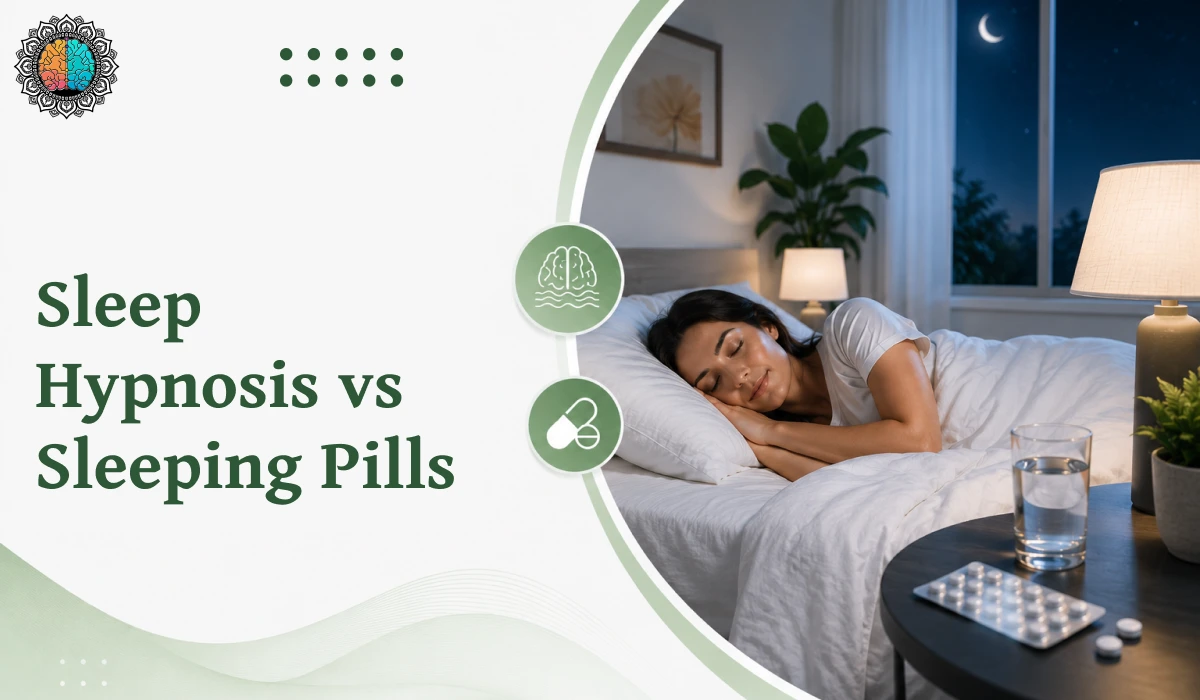
Sleep Hypnosis vs Sleeping Pills: Which Is the Better Long-Term Solution?
Sleep Hypnosis vs Sleeping Pills: Which Is the Better Long-Term Solution? Getting enough sleep is becoming increasingly difficult for many Americans. According to the CDC, 30.5% of U.S. adults slept less than seven hours per night in 2024, while 15.4% had trouble falling asleep most days or every day. At the same time, 12.9% of adults used some form of sleep aid most days or every day to help them fall or stay asleep. But when sleepless nights become a regular pattern, is reaching for sleeping pills for insomnia always the best long-term answer? Or could approaches such as sleep hypnosis help address the stress, anxiety and mental patterns that can interfere with sleep? The real question is not simply which option helps you sleep tonight, but which approach can support healthier, more sustainable sleep over time. Let’s compare hypnosis for sleep and sleeping pills to understand their benefits, limitations and role in long-term sleep management. TL;DR Sleep hypnosis may be a useful non-drug option for supporting relaxation and better sleep, while sleeping pills can provide short-term relief but may carry medication-specific risks. Neither is universally better, and chronic insomnia should be managed with appropriate professional guidance and evidence-based treatment. Sleep Hypnosis vs Sleeping Pills: How to decide the right one? Sleeping pills can provide short-term symptom relief, but they are not automatically the best long-term solution for everyone. Hypnosis for better sleep takes a different approach. Instead of using medication to induce sleep, it uses focused attention, relaxation, visualization and therapeutic suggestions to encourage a calmer mental state around bedtime. Research suggests that hypnotherapy may improve certain sleep outcomes, but the evidence remains limited and researchers continue to call for higher-quality studies. Factor Sleeping Pills Sleep Hypnosis What it is Medication used to help with difficulty falling asleep or staying asleep. A non-drug approach using focused attention, relaxation and therapeutic suggestions to calm the subconscious mind and support sleep. How it works Works through the effects of specific medications on the brain and sleep-related processes. Aims to promote mental and physical relaxation and reduce thoughts or stress that may interfere with sleep. Main purpose Often provides more direct, short-term relief from insomnia symptoms. Focuses on relaxation and changing the mental patterns or associations surrounding bedtime. How it is taken/used Taken according to the instructions of a healthcare professional or medication label. May involve guided sessions, visualization, relaxation exercises and positive suggestions. How quickly it may help Some medications can help with sleep relatively quickly, depending on the drug. The response varies; some people may feel relaxed after a session, while others may need repeated sessions. Side effects Can include drowsiness, impaired alertness and other medication-specific effects. Certain medicines also carry more serious risks. Research to date suggests a low incidence of adverse effects. Dependence concerns Some sleep medicines can cause tolerance, dependence or withdrawal-related problems. Does not involve medication, so it does not carry medication-related dependence or withdrawal risks. Long-term use Long-term suitability depends on the specific medication and individual circumstances; safety and effectiveness can vary. May be considered as a complementary, non-drug approach, but evidence for long-term insomnia treatment remains limited. Best suited to People whose healthcare professional determines that medication is appropriate for their particular sleep problem. People interested in a non-drug approach to relaxation and sleep support. For chronic insomnia Medication may have a role in selected cases, but it should not be viewed as the only treatment option. May complement evidence-based insomnia treatment, but should not be presented as a guaranteed replacement for medical treatment. Why Are People Leaning Towards Sleep Hypnosis? As more people look for better sleep without sleeping pills, non-drug approaches such as hypnosis for sleep are gaining attention. A systematic review by PubMed of 24 studies found that 58.3% reported positive effects of hypnosis on sleep outcomes, although the researchers noted that more high-quality studies are needed. Sleep hypnosis works through deep relaxation, focused attention and positive suggestions that can influence the subconscious mind. The idea is to help reduce stress, overthinking and negative sleep patterns while encouraging the mind to associate bedtime with calmness and rest. Because everyone’s sleep concerns are different, it is suggested to consult with a best hypnotherapist for better, personalized results. Working with a qualified professional hypnotherapist can tailor the suggestions and techniques to your specific sleep patterns, stress levels and goals, to ensure the best results. Final Thoughts When it comes to better sleep, there is no one-size-fits-all solution. The right approach depends on your sleep concerns, lifestyle and overall needs. If you are looking for better sleep without sleeping pills, you can explore hypnosis for sleep as a gentle, non-drug option alongside healthy sleep habits and appropriate professional care. As Jigeesha Pandya, a professional hypnotherapist at ManahSculpt, I help clients understand the subconscious patterns that may be affecting their sleep and work towards healthier, more restful sleep patterns through personalised hypnotherapy. To know more about hypnosis for better sleep and how this works, book a free consultation call. Frequently Asked Questions(FAQs) Does sleep hypnosis work better than sleeping pills? Hypnosis takes a different approach, it works with the subconscious mind and helps with sleep, but its effectiveness varies from person to person and the professional you are working with. Does sleep hypnosis work for long-term insomnia relief? Sleep hypnosis for long-term insomnia relief may help some people, particularly when stress or anxiety affects sleep. However, more research is needed, and CBT-I remains a recommended treatment for chronic insomnia. What is a natural alternative to sleeping pills for sleep? Options include sleep hypnosis, relaxation techniques, mindfulness, breathing exercises and healthy sleep habits. For chronic insomnia, professional evaluation and evidence-based treatment are important. What are the benefits of sleep hypnosis over medication? Potential sleep hypnosis benefits include being non-drug-based and focusing on relaxation, stress reduction and subconscious patterns that may affect sleep. It does not carry medication-related side effects or dependence risks. Is sleep hypnosis safer than sleeping pills? Sleep hypnosis is generally considered a
Top 10 Reasons Why Hypnosis for Smoking Works Better Than Willpower Alone
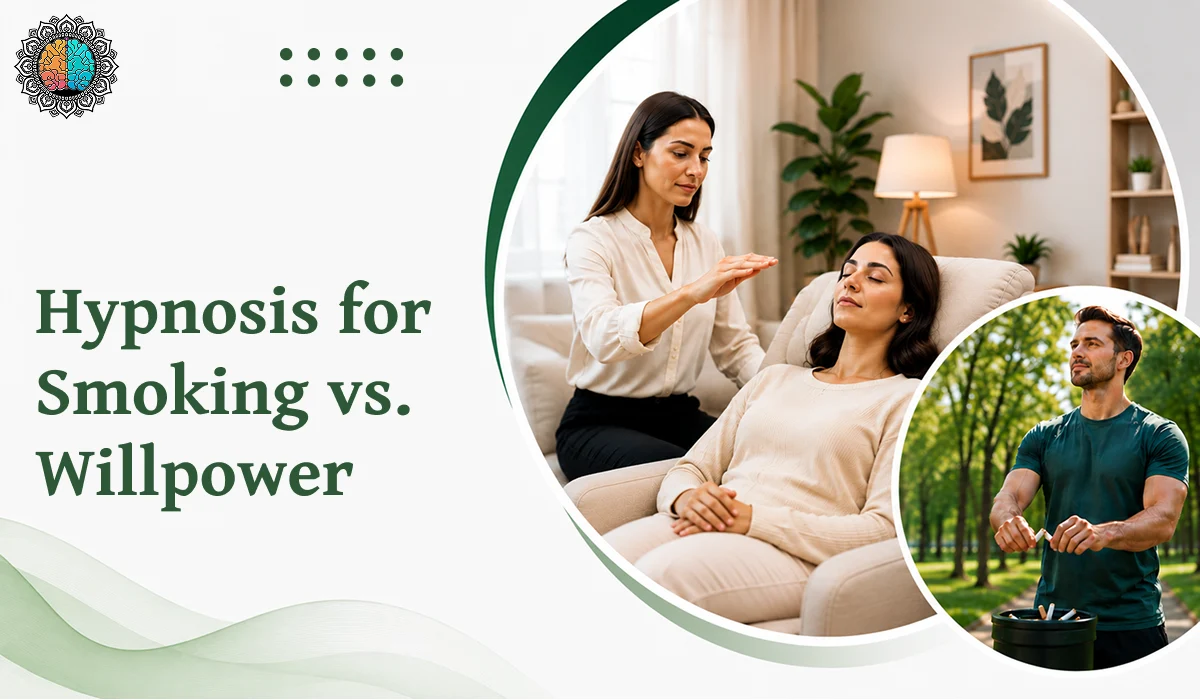
Top 10 Reasons Why Hypnosis for Smoking Works Better Than Willpower Alone Quitting smoking takes more than simply deciding to stop. Cravings, stress, routines, and emotional triggers can make it difficult to stay smoke-free, even when your motivation is strong. That is why some people look beyond willpower and explore hypnosis for smoking. It focuses on the habits, triggers, and thought patterns connected to smoking rather than simply resisting the urge. While research has not yet shown hypnosis to be more effective than other quitting methods, it may provide additional behavioural support for some people. TL;DR Hypnosis for smoking focuses on smoking habits, triggers, and thought patterns, not just resisting cravings with willpower. It may help you manage cigarette cravings by changing how you respond to familiar smoking triggers. Hypnosis to quit smoking can support a healthier mindset and help replace automatic smoking routines with healthier behaviours. It can also support motivation and relapse prevention, particularly when old triggers or stressful situations arise. So, why do some people turn to hypnosis to quit smoking instead of relying on willpower alone? Let’s look at 10 possible reasons. What is Hypnosis for Smoking? Hypnosis for smoking is a form of hypnotherapy that works with the subconscious mind, where automatic smoking habits, associations, and triggers are formed. Through deep relaxation, focused attention, and positive suggestions, hypnosis helps you recognise these patterns and develop healthier responses. During a session, a certified hypnotherapist helps you become aware of and work around the cravings, emotional triggers, and routines linked to smoking. The goal is to help reshape these automatic patterns and build a stronger smoke-free mindset. Top 10 Reasons Why Hypnosis for Smoking Works Better Than Willpower Alone It helps you understand why you smoke Willpower tells you to stop, but it does not always explain why you keep reaching for a cigarette. Hypnosis for smoking focuses on the habits, emotions, and routines behind the behaviour and help to alter that behavior for better habits. Experts at the National Center for Complementary and Integrative Health (NCCIH) say hypnosis has shown promise for some smokers. It helps you spot your triggers Many people smoke at the same time every day, after coffee, during work breaks, or when they feel stressed. Stop smoking hypnosis can help you become more aware of these triggers so you are better prepared to respond differently instead of automatically lighting up a cigarette. It can change the way you think about cigarettes If you believe a cigarette helps you relax or cope with stress, that thought can make quitting harder. Hypnosis to quit smoking works on these associations and may help you build a healthier mindset around alternative ways of managing stress and anxiety, so you don’t look for cigarettes and adopt healthier habits.. The American Cancer Society notes that while hypnosis does not work for everyone, some people do find it helpful as part of their quitting journey. It breaks automatic smoking routines Sometimes smoking happens almost without thinking after meals, while driving, or when talking on the phone. Hypnotherapy for smoking focuses on these automatic habits and encourages healthier alternatives. Rather than fighting every urge with willpower, you are working on changing the routine itself. It can help you handle cravings more calmly Cravings can feel like an immediate command to smoke, especially when you are used to giving in to them. Hypnosis for nicotine addiction may help you slow down that automatic response by using relaxation and focused attention to practise dealing with the urge differently. It addresses stress and emotional triggers Many smokers do not smoke just because of nicotine, they smoke when they are anxious, frustrated, or bored. Smoking addiction hypnotherapy can help you look at these emotional triggers and develop healthier ways to cope. That is important because smoking cessation experts consistently recommend learning new coping strategies instead of relying on cigarettes during stressful moments. It can strengthen your motivation You may know you should quit, but staying committed when cravings hit is another challenge. Hypnotherapy gives you time to reconnect with your personal reasons for quitting, better health, more energy, family, or financial savings which can make your motivation feel stronger and more personal. It gives you a focused plan Quitting with willpower alone can feel like saying “no” over and over again. Smoking cessation hypnosis gives you a dedicated space to work through your triggers, habits, and goals. NCCIH describes hypnosis as a complementary approach that some people choose alongside other quitting strategies, rather than a replacement for proven treatments. It can support staying smoke-free The first few weeks are not the only challenge. Old habits and situations can bring cravings back months later. Hypnotherapy may help reinforce your new routines and confidence, which can support smoking relapse prevention when familiar triggers show up again. It works best as part of a bigger quitting strategy One of the biggest benefits of smoking hypnosis therapy is that it does not have to stand alone. It can be combined with counselling, behavioural support, or nicotine replacement therapy if needed. Some individual studies have reported encouraging results with hypnosis, but larger reviews conclude that the evidence is still not strong enough to say hypnosis is clearly better than other quitting methods. For many people, the real benefit is that hypnosis gives them another tool to work on the habits, triggers, and mindset that willpower alone may not fully address. Final Thoughts Quitting smoking is not about having perfect willpower. It is about understanding your triggers, changing old habits, and finding an approach that works for you. Hypnosis for smoking can be one option to explore, especially when you want to work on the behavioural side of smoking alongside established cessation support. The goal is not simply to resist the next cigarette, it is to build a mindset and routine where you no longer feel you need it. As a certified hypnotherapist, Jigeesha Pandya at ManahSculpt takes a personalized approach to helping clients work toward a healthier, smoke-free
Hypnosis vs. Couples Therapy: Which Is Better for Relationships
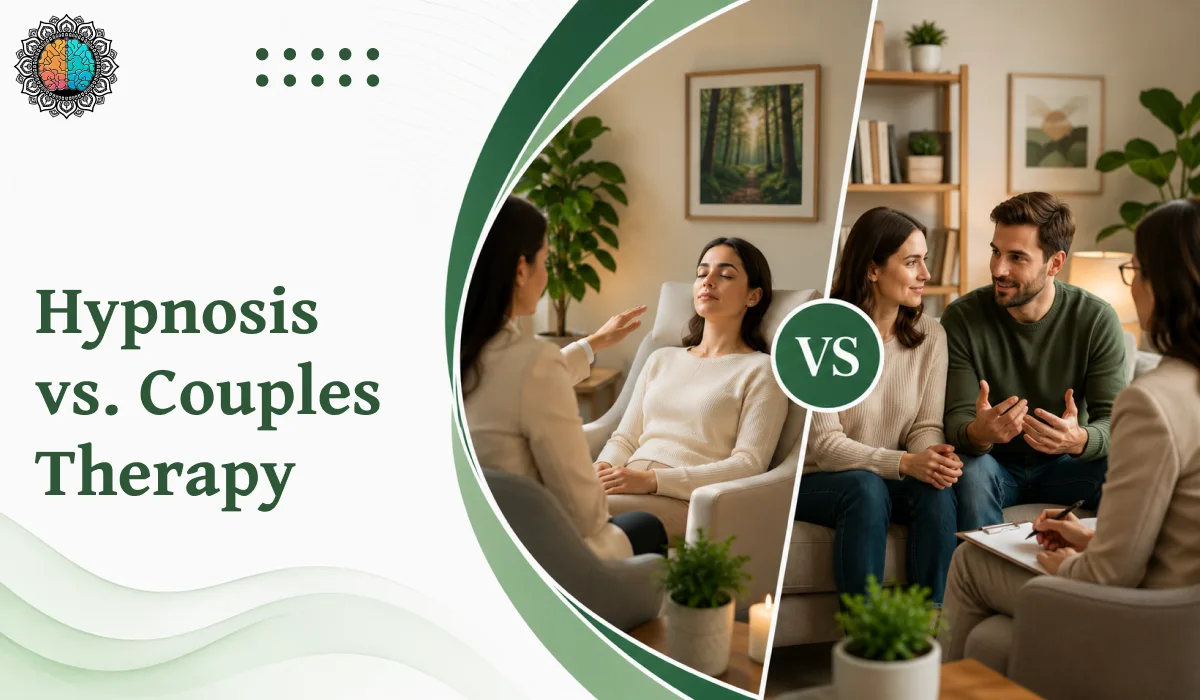
Hypnosis vs. Couples Therapy: Which Is Better for Relationships Every relationship goes through difficult phases. Sometimes, it’s frequent arguments or communication problems. Other times, it may be insecurity, trust issues, emotional distance, or simply feeling disconnected from your partner. When these patterns continue, you may start looking for professional support, but which approach is right for you? Couples therapy is a common option, but hypnosis for relationships is also gaining attention for its potential to help people understand and change emotional patterns that may affect their relationships. So, when comparing hypnosis vs couples therapy, which one is actually better for relationships? The answer depends on what you’re struggling with, how the problem affects you and your partner, and the kind of support you need. If you are still confused, then this is the blog you need. TL;DR Hypnosis isn’t necessarily better than couples therapy for relationships. Hypnotherapy may help with personal emotional patterns, relationship anxiety, insecurity, and limiting beliefs, while couples therapy directly addresses communication, conflict, trust, and connection between partners. The better choice depends on whether the main challenge is individual or relationship-focused and sometimes, both approaches can complement each other. What Is Hypnosis for Relationships? Hypnosis for relationships is a form of hypnotherapy that focuses on the thoughts, emotions, beliefs, and behavioral patterns that can influence how you connect with your partner. Instead of directly working on the relationship as a couple, it often helps you understand your own emotional responses and subconscious relationship patterns. For example, relationship hypnosis may support you in exploring relationship anxiety, fear of rejection, insecurity, emotional triggers, or limiting beliefs that make communication and emotional connection difficult. By becoming more aware of these patterns, you may be better able to respond to relationship challenges in healthier ways. What Is Couples Therapy for Relationship Problems? Couples therapy for relationship problems is a form of professional counseling that helps partners understand and work through challenges together. Instead of focusing only on one person’s thoughts or emotions, couples therapy looks at the relationship dynamic, including communication, conflict, trust, emotional intimacy, and recurring patterns. A therapist creates a safe, structured space where both partners can express their concerns, listen to each other, and understand what may be driving their conflicts. The goal isn’t to decide who is right or wrong, but to help couples develop healthier ways to communicate and handle problems. Also Read: Hypnotherapy for Life Transitions and Major Changes Hypnosis vs Couples Therapy: Which One to Choose for Relationship Problems? Both approaches can support healthier relationships, but they work on relationship concerns from different angles. Relationship hypnosis generally focuses on the individual emotional patterns that influence how they connect, communicate, trust, and respond to their partner. Couples therapy focuses directly on the interaction between partners and the challenges they experience together. Relationship Factor Hypnosis / Hypnotherapy Couples Therapy Main focus Personal relationship patterns Couple’s relationship dynamic Communication Supports healthier personal responses Improves communication between partners Trust Addresses insecurity and personal fears Works on rebuilding mutual trust Emotional connection Supports emotional awareness Strengthens emotional connection Relationship anxiety Helps manage personal anxiety Addresses anxiety within the relationship Insecurity Explores underlying insecurity Helps partners understand its impact Emotional triggers Identifies individual triggers Explores triggers between partners Recurring arguments Works on personal reactions Addresses the conflict cycle Conflict resolution Supports calmer responses Teaches relationship-focused strategies Intimacy problems Addresses personal emotional barriers Explores intimacy concerns as a couple Fear of rejection Works on personal fears Helps partners communicate needs Past relationship wounds Supports individual emotional healing Addresses how wounds affect the relationship Negative relationship beliefs Helps identify limiting beliefs Explores beliefs affecting the partnership Relationship patterns Focuses on personal patterns Identifies shared patterns Emotional regulation Helps manage emotional responses Helps couples respond more constructively Healthy communication habits Builds individual awareness Builds habits between partners Relationship confidence Supports personal confidence Can improve confidence within the relationship Best suited for Individual issues affecting a relationship Problems affecting both partners When to choose When personal emotions or beliefs affect the relationship When communication, conflict, trust, or connection need joint support Can they work together? Yes, when individual patterns need attention Yes, when relationship dynamics also need support The simple difference: Hypnotherapy may help you understand and change the personal patterns you bring into a relationship, while couples therapy focuses on how you and your partner interact with each other. Final Thoughts Healthy relationships take understanding, communication, and a willingness to grow, both as a couple and as individuals. If you think so, you want to try hypnosis for exploring personal emotional patterns, limiting beliefs, insecurities, and past experiences that may influence your relationships and how you connect with others, then I can help. I’m Jigeesha Pandya, Certified Hypnotherapist in the Bay Area at Manah Sculpt and I can help you explore whether hypnotherapy is a suitable part of your personal growth and relationship journey. The goal is to help you gain greater self-awareness and develop healthier ways of responding to relationship challenges. Frequently Asked Questions(FAQs) Can hypnosis improve romantic relationships? Yes, hypnosis for relationships may support self-awareness, emotional regulation, confidence, and healthier relationship patterns that can improve romantic connections. Is hypnosis better than couples therapy? Neither is universally better. Hypnotherapy focuses more on individual emotional patterns, while couples therapy addresses communication, conflict, and relationship dynamics together. Does hypnosis work for trust issues in relationships? Hypnosis for trust issues in relationships may help explore insecurity, fear, and past experiences that affect your ability to trust and connect with your partner. Can couples do hypnosis together? Yes, couples can explore hypnosis for couples through guided exercises, although professional hypnotherapy is often tailored to each individual’s needs. How does hypnotherapy help emotional connection? Hypnotherapy for emotional connection may help address emotional barriers, limiting beliefs, and triggers that make vulnerability and connection more difficult. What are the natural ways to improve relationships with hypnosis? Along with hypnosis, healthy communication, active listening, emotional awareness, quality time, appreciation, and mindfulness can support stronger relationships. Does hypnosis for overcoming
Hypnotherapy vs. Nicotine Patches: Which Works Better for Quitting?
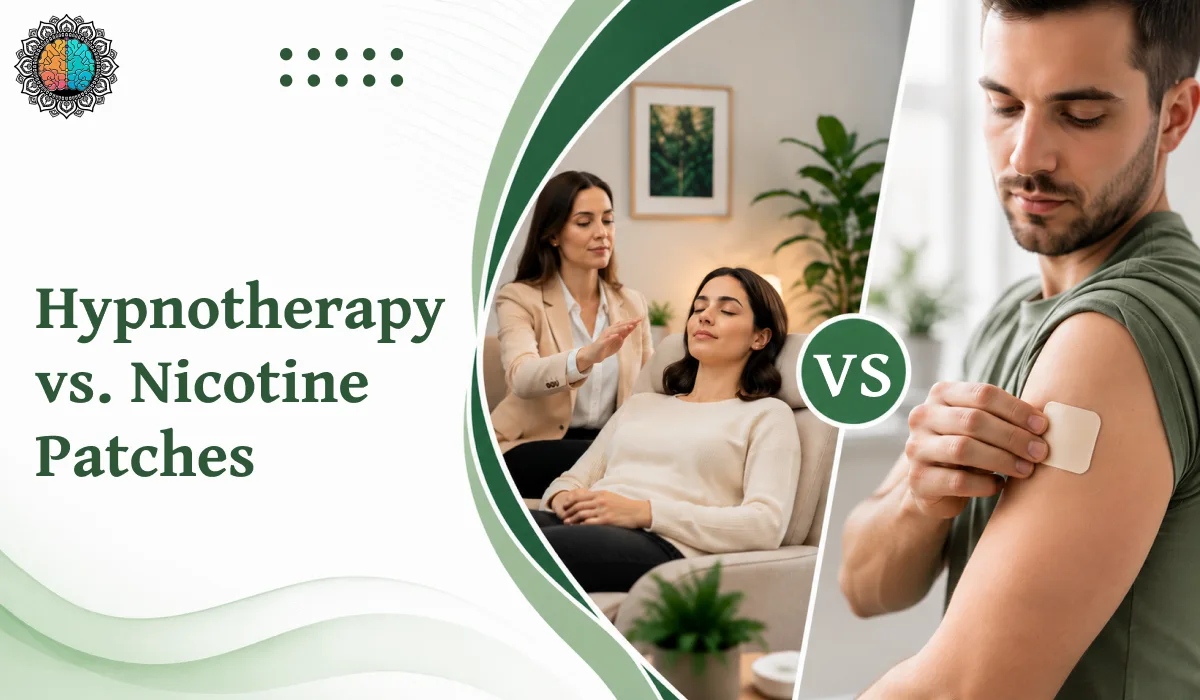
Hypnotherapy vs. Nicotine Patches: Which Works Better for Quitting? Quitting smoking is one of the best decisions you can make for your health, but it’s also one of the hardest. For many people, smoking isn’t just about nicotine addiction. It’s tied to daily routines, stress, emotions, and long-standing habits, which is why quitting can feel so challenging even with strong willpower. That’s where different smoking addiction treatment options come in. Two of the most common are hypnotherapy for quitting smoking and nicotine patches for smoking cessation. While nicotine patches help reduce physical cravings by delivering controlled amounts of nicotine, hypnosis to quit smoking focuses on changing the subconscious patterns that drive the habit. So, when it comes to hypnotherapy vs nicotine patches, which approach is more effective? In this guide, we’ll compare how both methods work, their benefits, potential limitations, and how they can support your smoking cessation journey so you can make an informed choice. TL;DR Hypnotherapy vs nicotine patches isn’t about which method is universally better, it’s about which one best fits your needs. Nicotine patches help reduce physical nicotine withdrawal symptoms, while hypnotherapy for quitting smoking focuses on changing the subconscious habits and emotional triggers behind smoking. If you’re looking for long-term behavior change and a medication-free approach, hypnotherapy may be a good option, whereas nicotine patches can be effective for managing physical cravings. Understanding Smoking Addiction: Why Quitting Is So Difficult Quitting smoking can be tough because nicotine addiction affects both the brain and everyday habits. Nicotine creates dependence, while routines, stress, emotions, and familiar smoking triggers can make cigarette cravings harder to manage. The latest WHO data shows that around 1.2 billion people used tobacco in 2024, highlighting how widespread tobacco dependence remains. Nicotine dependence: Nicotine is highly addictive and can reinforce the brain’s reward system, making it difficult to stop. Withdrawal symptoms: Stopping nicotine can lead to cravings, irritability, anxiety, sleep difficulties, and trouble concentrating. Habit formation: Smoking can become linked to coffee breaks, meals, driving, social situations, or stressful moments. Emotional triggers: Stress, boredom, and certain emotions can trigger the urge to smoke even after physical withdrawal begins to ease. Quitting can take multiple attempts: CDC data shows that 67.7% of U.S. adults who smoked wanted to quit, 53.3% tried in 2022, but only 8.8% successfully quit that year. Support can make a difference: Counseling and proven cessation treatments can improve the chances of quitting successfully. This is why effective smoking cessation often needs to address both the physical dependence on nicotine and the behavioral patterns that keep the habit going. What Is Hypnotherapy for Quitting Smoking? Hypnotherapy for quitting smoking is a therapeutic approach that uses guided relaxation and focused attention to help change the subconscious thoughts and behaviors associated with smoking. Rather than replacing nicotine, hypnosis to quit smoking aims to reduce cigarette cravings, address emotional and habitual smoking triggers, and reinforce healthier coping mechanisms. It is commonly used as part of a broader smoking cessation plan for people looking to quit smoking with hypnosis through a medication-free, behavior-focused approach. Also Read: Can Hypnotherapy Help You Sleep Through the Night? What Research Shows How Do Nicotine Patches for Smoking Cessation Work? Nicotine patches for smoking cessation are a form of nicotine replacement therapy (NRT) that delivers a controlled, steady dose of nicotine through the skin. By supplying nicotine without the harmful chemicals found in cigarettes, the patch helps reduce nicotine withdrawal symptoms and cigarette cravings while you gradually break the habit of smoking. Over time, the nicotine dose is reduced, helping your body adjust until you no longer depend on it. While nicotine patch effectiveness is well established for managing physical cravings, it does not directly address the emotional and behavioral triggers that often contribute to smoking. Hypnotherapy vs Nicotine Patches: Key Differences Both hypnosis for smoking and nicotine patches for smoking cessation are designed to help people quit smoking, but they take very different approaches. Understanding these differences can help you choose the approach that best fits your smoking cessation goals. Feature Hypnotherapy Nicotine Patches How it works Uses guided hypnosis to change subconscious smoking habits and behaviors. Delivers a controlled dose of nicotine through the skin to reduce withdrawal symptoms. Primary focus Addresses psychological dependence, habits, and emotional triggers. Targets physical nicotine addiction and withdrawal. Craving management Helps manage cravings by changing thought patterns and responses to triggers. Helps reduce physical cravings by supplying nicotine. Behavior change Encourages long-term habit change and healthier coping mechanisms. Does not directly change smoking habits or routines. Medication Medication-free approach. Uses nicotine as part of nicotine replacement therapy. Side effects Generally considered safe when provided by a qualified hypnotherapist; individual experiences may vary. May cause skin irritation, sleep disturbances, vivid dreams, or nausea in some users. Best suited for People who want a natural, behavior-focused approach to quitting smoking. People looking to ease nicotine withdrawal, especially during the early stages of quitting. Long-term goal Helps build lasting behavioral change and reduce the risk of relapse. Gradually reduces nicotine dependence before discontinuation. Which Is More Effective for Long-Term Success? If your biggest challenge is dealing with nicotine withdrawal symptoms, nicotine patches for smoking cessation can be a helpful starting point because they gradually reduce physical cravings. However, if you find yourself smoking because of stress, emotions, boredom, or long-standing habits, hypnotherapy for quitting smoking may be worth considering, as it focuses on changing the subconscious patterns behind the behavior. Ultimately, when comparing hypnotherapy vs nicotine patches, the best choice depends on what’s driving your smoking habit. If you’re unsure, speaking with a healthcare professional or a qualified hypnotherapist can help you choose the approach that’s most likely to support your long-term smoking cessation goals. Final Thoughts There’s no single “right” way to quit smoking, what works best depends on your needs, habits, and what’s driving your addiction. Whether you choose nicotine patches for smoking cessation, hypnotherapy for quitting smoking, or a combination of approaches, the most important step is finding a method you
Self Hypnosis for Sleep: What It Is and How To Do It?
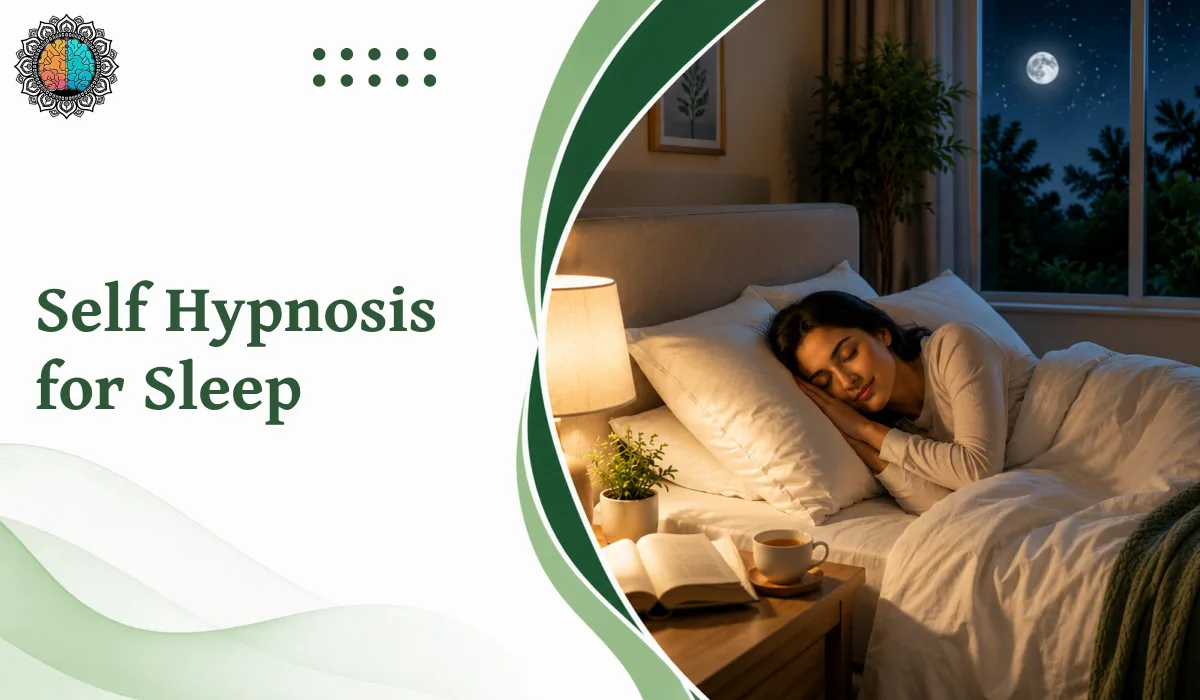
Self Hypnosis for Sleep: What It Is and How To Do It? If you regularly lie awake because your mind won’t slow down, you’re not alone. Stress, anxiety, and racing thoughts are some of the most common reasons people struggle to fall asleep. According to the National Center for Complementary and Integrative Health (NCCIH), 50 to 70 million adults in the United States have chronic or ongoing sleep disorders, making quality sleep a challenge for millions. Self hypnosis for sleep is a natural relaxation technique that can help quiet your mind, ease tension, and prepare your body for restful sleep. In this guide, you’ll learn how to do self hypnosis for sleep, how it may improve your sleep quality, and simple sleep hypnosis techniques you can add to your bedtime routine. TL;DR Self hypnosis for sleep is a simple relaxation technique that uses deep breathing, visualization, and positive suggestions to calm your mind and prepare your body for restful sleep. With consistent practice, it can help you fall asleep faster, reduce bedtime anxiety, and improve sleep quality as part of a healthy bedtime routine. What Is Self Hypnosis for Sleep? Self hypnosis for sleep is a relaxation technique that helps you enter a calm, focused state of mind before bedtime. By using deep breathing, visualization, and positive suggestions, it encourages your mind and body to relax, making it easier to fall asleep naturally. Unlike stage hypnosis, self-hypnosis doesn’t involve losing control or being unconscious. You’re aware of your surroundings the entire time and can stop the practice whenever you choose. Many people use self hypnosis before bed to quiet racing thoughts, reduce stress, and create a healthier sleep routine. With regular practice, this self hypnosis sleep method may help improve sleep quality, promote deeper relaxation, and support better sleep without relying solely on medication. However, it works best when combined with good sleep hygiene and consistent bedtime habits. How Does Self Hypnosis Help You Sleep? The Benefits Explained If your biggest challenge at bedtime is an overactive mind, self hypnosis for sleep can help you slow down and relax. Instead of trying to force yourself to sleep, it gently shifts your focus away from stressful thoughts and into a calm, restful state. Here’s how it may help: Quiet racing thoughts so your mind isn’t stuck replaying the day’s events. Reduces stress and bedtime anxiety, helping you feel more relaxed. Relaxes your body through slow breathing and guided visualization. Makes it easier to fall asleep naturally without forcing it. Supports better sleep over time when practiced consistently as part of your bedtime routine. Research also suggests that hypnosis may improve sleep quality for some people, particularly those experiencing insomnia or stress-related sleep difficulties, although results can vary from person to person. The key is consistency. Like any relaxation technique, better sleep self hypnosis works best when you practice it regularly alongside healthy sleep habits, rather than expecting results after just one night. Who Can Benefit from Self Hypnosis for Sleep? Self hypnosis for sleep can help anyone who struggles to relax before bed. Whether your sleep is affected by stress, anxiety, or a busy lifestyle, this simple practice can help calm your mind and support better sleep over time. Here are some people who may benefit: Students Exam pressure, assignments, and late-night studying can make it hard to fall asleep. Self hypnosis for anxiety before bed can help quiet an overactive mind and promote relaxation. Working Professionals Long work hours, deadlines, and constant screen time can make it difficult to switch off. Better sleep self hypnosis can help you unwind and build a healthier bedtime routine. Parents and Caregivers Managing family responsibilities often leaves little time to relax. Practicing self hypnosis before bed can help reduce stress and prepare your mind for restful sleep. Shift Workers Irregular schedules can disrupt your sleep cycle. Self hypnosis for deep sleep may help your body and mind relax whenever it’s time to rest. People with Stress, Anxiety, or Occasional Insomnia If racing thoughts or bedtime anxiety keep you awake, self hypnosis for insomnia and self hypnosis for anxiety and sleep can offer a natural way to relax and improve sleep quality. If you have chronic insomnia, loud snoring, breathing pauses during sleep, or ongoing sleep problems, consult a healthcare professional. Self hypnosis for chronic insomnia can support your sleep routine, but it shouldn’t replace medical evaluation or treatment when needed. Also Read: The Sleep Solution Explained: How to Calm Your Mind and Improve Sleep Naturally Tips to Make Self Hypnosis More Effective Getting the most out of self hypnosis for sleep doesn’t require perfection, it requires consistency. These simple tips can help you relax more easily and improve your results over time. Practice at the same time each night to help your brain associate self-hypnosis with bedtime. Create a relaxing sleep environment by keeping your bedroom cool, dark, and quiet. Limit screen time for at least 30–60 minutes before bed to reduce mental stimulation. Pair self-hypnosis with good sleep hygiene, such as maintaining a consistent sleep schedule and avoiding caffeine late in the day. Focus on slow breathing and positive suggestions instead of trying to force yourself to fall asleep. Use a sleep hypnosis audio or guided session if you’re just getting started and find it easier to follow instructions. Be patient and stay consistent. Like any relaxation technique, better sleep self hypnosis often becomes more effective with regular practice. Small changes in your bedtime routine, combined with consistent self hypnosis before bed, can make it easier to relax and enjoy more restful sleep over time. Final Thoughts If stress, anxiety, or racing thoughts are keeping you awake, self hypnosis for sleep can be a simple and natural way to help you relax before bed. With regular practice and healthy sleep habits, it may become an effective part of your nightly routine for better, more restful sleep. If you’re looking for personalized guidance, Jigeesha Pandya, a Certified Hypnotherapist in the Bay Area at