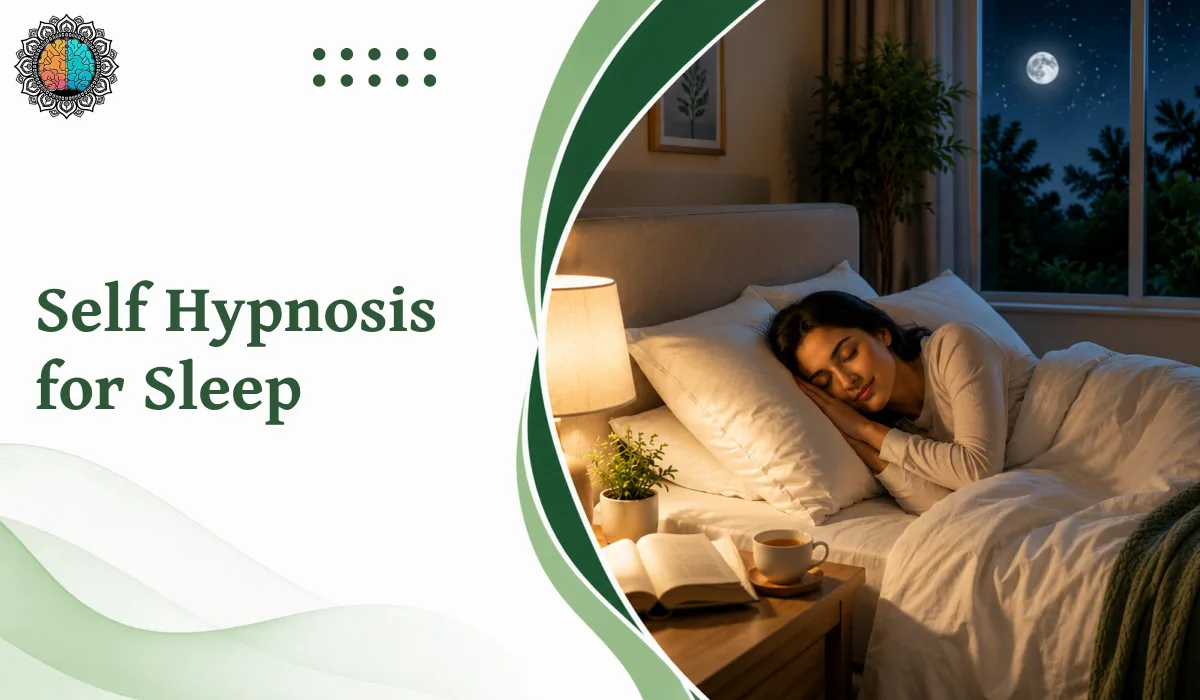
If you regularly lie awake because your mind won’t slow down, you’re not alone. Stress, anxiety, and racing thoughts are some of the most common reasons people struggle to fall asleep.
According to the National Center for Complementary and Integrative Health (NCCIH), 50 to 70 million adults in the United States have chronic or ongoing sleep disorders, making quality sleep a challenge for millions.
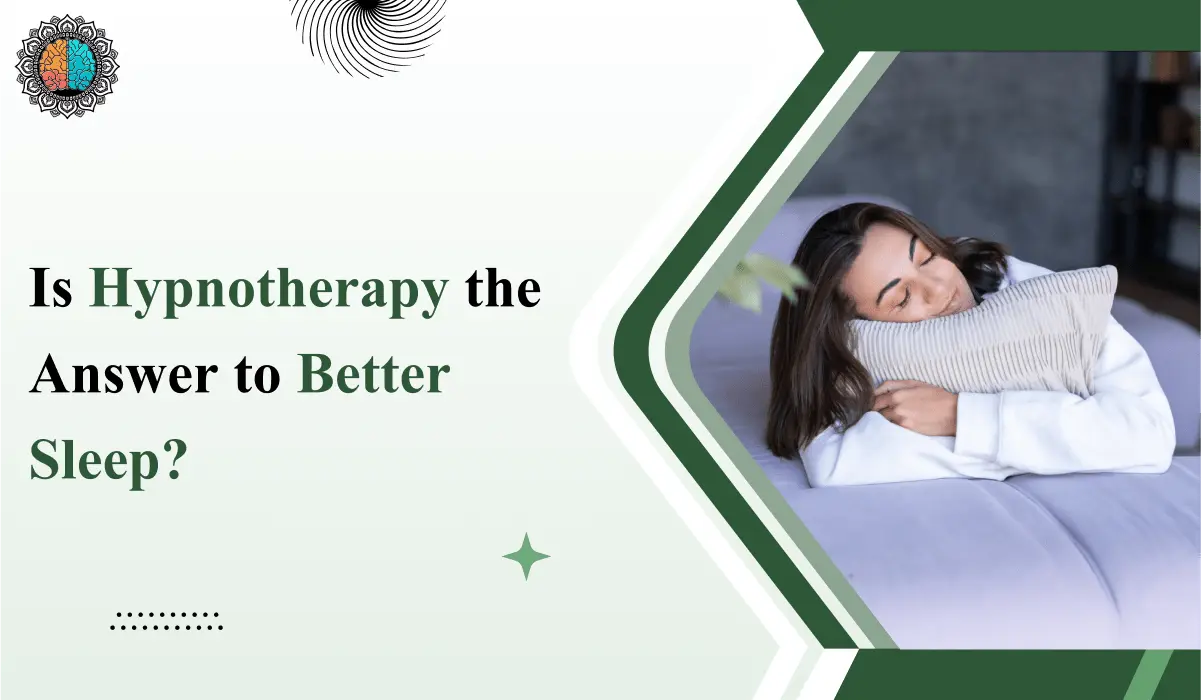
Self hypnosis for sleep is a natural relaxation technique that can help quiet your mind, ease tension, and prepare your body for restful sleep. In this guide, you’ll learn how to do self hypnosis for sleep, how it may improve your sleep quality, and simple sleep hypnosis techniques you can add to your bedtime routine.
TL;DR
Self hypnosis for sleep is a simple relaxation technique that uses deep breathing, visualization, and positive suggestions to calm your mind and prepare your body for restful sleep. With consistent practice, it can help you fall asleep faster, reduce bedtime anxiety, and improve sleep quality as part of a healthy bedtime routine.
What Is Self Hypnosis for Sleep?
Self hypnosis for sleep is a relaxation technique that helps you enter a calm, focused state of mind before bedtime. By using deep breathing, visualization, and positive suggestions, it encourages your mind and body to relax, making it easier to fall asleep naturally.
Unlike stage hypnosis, self-hypnosis doesn’t involve losing control or being unconscious. You’re aware of your surroundings the entire time and can stop the practice whenever you choose. Many people use self hypnosis before bed to quiet racing thoughts, reduce stress, and create a healthier sleep routine.
With regular practice, this self hypnosis sleep method may help improve sleep quality, promote deeper relaxation, and support better sleep without relying solely on medication. However, it works best when combined with good sleep hygiene and consistent bedtime habits.
How Does Self Hypnosis Help You Sleep? The Benefits Explained
If your biggest challenge at bedtime is an overactive mind, self hypnosis for sleep can help you slow down and relax. Instead of trying to force yourself to sleep, it gently shifts your focus away from stressful thoughts and into a calm, restful state.
Here’s how it may help:
- Quiet racing thoughts so your mind isn’t stuck replaying the day’s events.
- Reduces stress and bedtime anxiety, helping you feel more relaxed.
- Relaxes your body through slow breathing and guided visualization.
- Makes it easier to fall asleep naturally without forcing it.
- Supports better sleep over time when practiced consistently as part of your bedtime routine.
Research also suggests that hypnosis may improve sleep quality for some people, particularly those experiencing insomnia or stress-related sleep difficulties, although results can vary from person to person.
The key is consistency. Like any relaxation technique, better sleep self hypnosis works best when you practice it regularly alongside healthy sleep habits, rather than expecting results after just one night.
Who Can Benefit from Self Hypnosis for Sleep?
Self hypnosis for sleep can help anyone who struggles to relax before bed. Whether your sleep is affected by stress, anxiety, or a busy lifestyle, this simple practice can help calm your mind and support better sleep over time.
Here are some people who may benefit:
Students
Exam pressure, assignments, and late-night studying can make it hard to fall asleep. Self hypnosis for anxiety before bed can help quiet an overactive mind and promote relaxation.
Working Professionals
Long work hours, deadlines, and constant screen time can make it difficult to switch off. Better sleep self hypnosis can help you unwind and build a healthier bedtime routine.
Parents and Caregivers
Managing family responsibilities often leaves little time to relax. Practicing self hypnosis before bed can help reduce stress and prepare your mind for restful sleep.
Shift Workers
Irregular schedules can disrupt your sleep cycle. Self hypnosis for deep sleep may help your body and mind relax whenever it’s time to rest.
People with Stress, Anxiety, or Occasional Insomnia
If racing thoughts or bedtime anxiety keep you awake, self hypnosis for insomnia and self hypnosis for anxiety and sleep can offer a natural way to relax and improve sleep quality.
If you have chronic insomnia, loud snoring, breathing pauses during sleep, or ongoing sleep problems, consult a healthcare professional. Self hypnosis for chronic insomnia can support your sleep routine, but it shouldn’t replace medical evaluation or treatment when needed.
Also Read: The Sleep Solution Explained: How to Calm Your Mind and Improve Sleep Naturally
Tips to Make Self Hypnosis More Effective

Getting the most out of self hypnosis for sleep doesn’t require perfection, it requires consistency. These simple tips can help you relax more easily and improve your results over time.
- Practice at the same time each night to help your brain associate self-hypnosis with bedtime.
- Create a relaxing sleep environment by keeping your bedroom cool, dark, and quiet.
- Limit screen time for at least 30–60 minutes before bed to reduce mental stimulation.
- Pair self-hypnosis with good sleep hygiene, such as maintaining a consistent sleep schedule and avoiding caffeine late in the day.
- Focus on slow breathing and positive suggestions instead of trying to force yourself to fall asleep.
- Use a sleep hypnosis audio or guided session if you’re just getting started and find it easier to follow instructions.
- Be patient and stay consistent. Like any relaxation technique, better sleep self hypnosis often becomes more effective with regular practice.
Small changes in your bedtime routine, combined with consistent self hypnosis before bed, can make it easier to relax and enjoy more restful sleep over time.
Final Thoughts
If stress, anxiety, or racing thoughts are keeping you awake, self hypnosis for sleep can be a simple and natural way to help you relax before bed. With regular practice and healthy sleep habits, it may become an effective part of your nightly routine for better, more restful sleep.
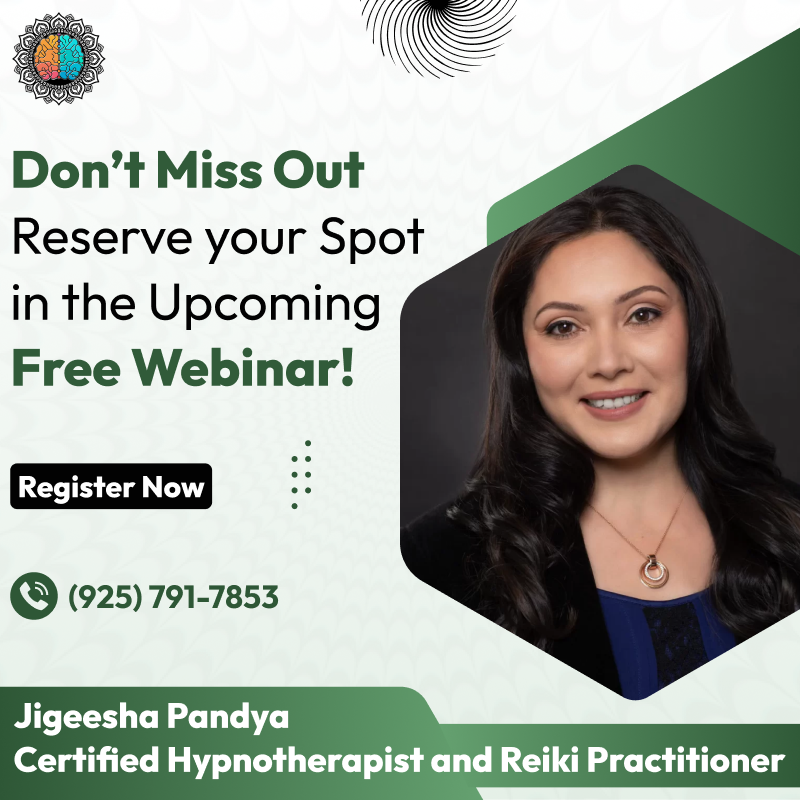
If you’re looking for personalized guidance, Jigeesha Pandya, a Certified Hypnotherapist in the Bay Area at Manah Sculpt, can help you learn practical hypnosis techniques tailored to your sleep challenges and overall well-being.

Frequently Asked Questions(FAQs)
How does self hypnosis help you fall asleep?
Self hypnosis for sleep helps calm racing thoughts, reduce stress, and relax your body through focused breathing, visualization, and positive suggestions, making it easier to fall asleep naturally.
Does self hypnosis really work for insomnia?
Self hypnosis for insomnia may help some people improve sleep quality and fall asleep faster, especially when combined with good sleep hygiene. Results vary, and chronic insomnia should be evaluated by a healthcare professional.
Is self hypnosis safe to do every night?
Yes. For most people, self hypnosis before bed is a safe relaxation technique that can be practiced nightly as part of a healthy bedtime routine.
How long does self hypnosis take to improve sleep?
Some people feel more relaxed after their first session, but noticeable improvements in sleep often come after practicing better sleep self hypnosis consistently for a few weeks.
Can self hypnosis reduce anxiety before bedtime?
Yes. Self hypnosis for anxiety and sleep can help quiet racing thoughts, lower stress levels, and promote relaxation, making it easier to unwind and prepare for a restful night’s sleep.

Jigeesha Pandya is a Certified Hypnotherapist and Reiki Practitioner. With a background in climate change research, she shifted her focus to hypnotherapy, studying at the renowned Hypnosis and Motivation Institute in Los Angeles. Jigeesha is passionate about helping individuals harness the power of the subconscious mind for healing and growth.
- All Posts
- Hypnosis
- Motivation
- Relationship
- Test 1
- test 2