
7 Anxiety Hacks: How to Manage Stress and Worry in the Moment We’ve all had moments when our minds won’t stop racing. Maybe you’re worrying about work, overthinking a conversation, or feeling anxious for no clear reason. When stress takes over, it’s easy to feel like you’re losing control. The good news is that you don’t have to stay stuck in that feeling. Knowing how to manage anxiety in the moment can help you slow down, regain control, and feel calmer. A few simple anxiety hacks and anxiety relief techniques can make a real difference when stress and worry start to build. In this blog, I’ll share 7 anxiety hacks that are easy to try whenever you need to calm your mind, reduce stress, and feel more grounded. TL;DR If you’re wondering how to manage stress and worry in the moment, start with simple techniques that calm both your mind and body. These seven anxiety hacks—including deep breathing, grounding exercises, mindfulness, movement, and reframing anxious thoughts can help reduce anxiety, regulate your nervous system, and bring you back to the present. With regular practice, these strategies can make it easier to stay calm and cope with stressful situations. Why Does Anxiety Feel So Overwhelming in the Moment? Have you ever noticed how one anxious thought can quickly turn into ten? Your heart starts racing, your breathing feels shallow, and suddenly, even the smallest problem seems impossible to handle. If you’ve felt this way, you’re not alone. According to the World Health Organization (WHO), anxiety disorders affected 359 million people worldwide in 2021, making them the most common mental health condition globally. The reason anxiety feels so intense is that your brain is trying to protect you. It switches on the fight-or-flight response, releasing stress hormones that prepare your body to react to danger, even when there isn’t a real threat. That’s why you may experience racing thoughts, a fast heartbeat, tense muscles, or feel like you can’t think clearly. The good news is that these feelings don’t have to control you. By using simple anxiety management techniques that calm your nervous system, you can interrupt the stress response, feel more grounded, and regain a sense of control. 7 Anxiety Hacks to Calm Your Mind Quickly 1. Focus on Your Breath When anxiety hits, your breathing often becomes rapid and shallow, making you feel even more overwhelmed. Slowing your breath signals your brain that you’re safe and helps calm your nervous system. Try the box breathing technique: Inhale for 3 seconds. Hold your breath for 3 seconds. Exhale for 6 seconds. Hold again for 3 seconds. Repeat this for a few minutes. It’s one of the simplest anxiety relief techniques you can use anytime, whether you’re at work, before a meeting, or lying awake at night. 2. Ground Yourself in the Present Anxiety often pulls your mind into “what if” thoughts about the future. Grounding helps bring your attention back to what’s happening right now. Try the 5-4-3-2-1 grounding technique: Name 5 things you can see. Touch 4 things around you. Notice 3 sounds you can hear. Identify 2 things you can smell. Focus on 1 thing you can taste. This simple exercise is one of the most effective grounding techniques for anxiety because it shifts your focus away from racing thoughts and back to the present moment. 3. Relax Your Body to Calm Your Mind Your body holds onto stress even when you don’t realize it. Consciously, your muscles can help signal to your brain that it’s okay to let go. Start from your toes and slowly tense each muscle group for a few seconds before releasing it. Work your way up to your shoulders and face. This progressive muscle relaxation technique is a gentle way to reduce physical tension and restore a sense of calm. 4. Challenge Your Anxious Thoughts Not every thought you have is true. Anxiety has a way of making the worst-case scenario feel like the only outcome. The next time you notice yourself overthinking, ask: Is this thought based on facts or fear? What’s the most realistic outcome? What would I say to someone I care about if they felt this way? These simple questions can help you break the cycle of worry and build healthier anxiety coping skills over time. 5. Give Yourself a One-Minute Mindfulness Break You don’t need a long meditation session to feel calmer. Even one minute of mindfulness can help slow racing thoughts. Close your eyes if you’re comfortable, take a few deep breaths, and simply notice how you’re feeling without judging yourself. Let your thoughts come and go instead of trying to fight them. This small pause helps quiet your mind, improves emotional balance, and is one of the easiest mindfulness techniques for immediate anxiety relief. 6. Get Your Body Moving When you’re anxious, your body builds up extra energy. A little movement can help release that tension. Take a short walk, stretch your arms and shoulders, do a few gentle yoga poses, or simply shake out your hands and legs. Even five minutes of movement can reduce stress hormones and help you feel more in control. If you’re wondering how to reduce stress and worry, remember that movement doesn’t have to be intense; it just has to help you reconnect with your body. 7. Be Kind to Yourself One of the biggest mistakes people make is fighting their anxiety. Instead of telling yourself to “just calm down,” try responding with kindness. Remind yourself: “This feeling is temporary.” “I’m safe.” “I don’t have to solve everything right now.” Sometimes, the most powerful anxiety management technique is simply permitting yourself to pause. The more compassion you show yourself during difficult moments, the easier it becomes to move through them with confidence. Anxiety may not disappear instantly, but these simple habits can help you feel calmer, think more clearly, and regain a sense of control, one moment at a time. Final Thoughts Anxiety can feel overwhelming, but it doesn’t have
Hypnosis for Quitting Vaping: Does it Really Work?
Hypnosis for Quitting Vaping: Does it Really Work? For many people, vaping does not feel like a “big problem” at first. It may start as something to do during stress, boredom, work breaks, or social moments. But slowly, the mind begins to connect vaping with comfort, calm, focus, or relief. That is when quitting can feel harder than expected. The CDC reports that 1.63 million U.S. middle and high school students used e-cigarettes in 2024, and 26.3% of current users vaped every day. If you started vaping suddenly, gave in to peer pressure, or picked it up during a stressful phase, and now want to break free from the habit, you are not alone. Maybe you have tried to stop before, but the cravings, triggers, or emotional pull keep bringing you back. If you are now considering hypnosis to quit vaping, this blog will help you understand what to expect. Below, we’ll be walking you through how it works, how it helps, and what you can do to get rid of this habit with quit vaping hypnotherapy. Tl;DR Hypnosis for Quitting Vaping helps you understand the triggers, cravings, and emotional patterns behind vaping, then gently guides your mind toward healthier responses. In a stop vaping hypnotherapy session, a professional hypnotherapist may use relaxation, focused attention, and positive suggestions to support habit change, reduce the mental pull of vaping, and help you feel more in control without relying only on willpower. What is Hypnotherapy and How Hypnosis Helps you Quit Vaping Naturally? Hypnotherapy is a guided therapy that uses hypnosis to bring the mind into a calm, focused state. The American Psychological Association describes hypnosis as a state of focused attention where a person becomes more open to helpful suggestions. For quitting vaping, hypnotherapy helps people notice their triggers, such as stress, boredom, peer pressure, or cravings, and replace the habit with healthier responses. The CDC also recommends counseling and support when quitting vaping, especially because nicotine withdrawal can bring cravings, irritability, sleep issues, and trouble concentrating. Research on hypnosis for nicotine habits shows that after 12 months, 24% of people in the hypnosis group had quit, compared with 16% in the behavioral counseling group. Benefits of Hypnosis for Vaping Hypnosis for vaping helps by working with the subconscious mind, the part of the mind that stores habits, emotional reactions, and automatic behaviors. Instead of only saying, “I need more willpower,” stop vaping hypnotherapy helps people understand what drives the habit and gently replace it with healthier thoughts and responses. Helps you understand your vaping triggers Many people vape without even thinking about it. It may happen after meals, during work breaks, while driving, when feeling stressed, or around certain people. Hypnosis can help bring awareness to these triggers so you can respond differently instead of reaching for the vape automatically. Supports better control over cravings Cravings can feel strong because the brain expects vaping as a quick reward. Stop vaping hypnosis can help reduce the emotional pull behind cravings by teaching the mind to pause, relax, and choose a healthier action. Works on the emotional side of vaping Some people vape to feel calm, distracted, confident, or less anxious. Quit vaping hypnotherapy helps address these emotional connections, so vaping no longer feels like the only way to cope. Helps replace vaping with healthier habits Hypnosis does not only focus on stopping the habit. It also helps the mind build new responses, such as deep breathing, drinking water, taking a short walk, grounding yourself, or using calming self-talk when cravings appear. Reduces dependence on willpower alone Willpower can help for a short time, but it may not be enough when stress or cravings hit. Hypnosis to quit vaping works deeper by changing the thoughts and patterns that keep the habit alive. Supports stress and anxiety management Stress often becomes one of the biggest reasons people continue vaping. Hypnosis can help calm the nervous system and support better emotional balance, making it easier to handle stressful moments without vaping. Builds a stronger quitting mindset A big part of quitting is changing how you see yourself. Vaping hypnosis can help you move from “I am trying to quit” to “I am someone who does not need vaping anymore.” Can support long-term habit change Hypnosis focuses on the root patterns behind vaping, not just the surface habit. This can make it easier to stay committed, avoid old triggers, and create a healthier routine over time. Step-by-Step Hypnosis Process for Quitting Vaping When you work with a professional hypnotherapist, Hypnosis for Quitting Vaping becomes a guided and personalized process. The goal is not to simply tell you to “stop vaping.” Instead, the hypnotherapist helps you understand why the habit started, what keeps it going, and how your mind can begin choosing healthier responses. Initial Consultation The process usually begins with a one-on-one conversation. A professional hypnotherapist will ask about your vaping pattern, triggers, cravings, stress levels, past quitting attempts, and emotional connection to vaping. This helps create a session that fits your needs instead of using a one-size-fits-all approach. Identifying Your Triggers Next, the hypnotherapist helps you notice what makes you reach for the vape. It could be stress, boredom, anxiety, peer pressure, social situations, work breaks, or the need to feel calm. This step is important because stopping vaping hypnotherapy works best when it addresses the real reason behind the habit. Creating a Clear Quit Goal Together, you and the hypnotherapist set a clear goal. This may include quitting completely, reducing cravings, feeling more confident, or breaking the emotional link between vaping and comfort. A clear goal gives the hypnosis session direction. Guided Relaxation During the session, the hypnotherapist guides you into a calm and focused state using breathing, imagery, and gentle suggestions. You stay aware and in control, but your mind becomes more open to positive change. Reframing the Vaping Habit In this focused state, the hypnotherapist helps your mind separate vaping from relief, confidence, or comfort. For example, instead of seeing
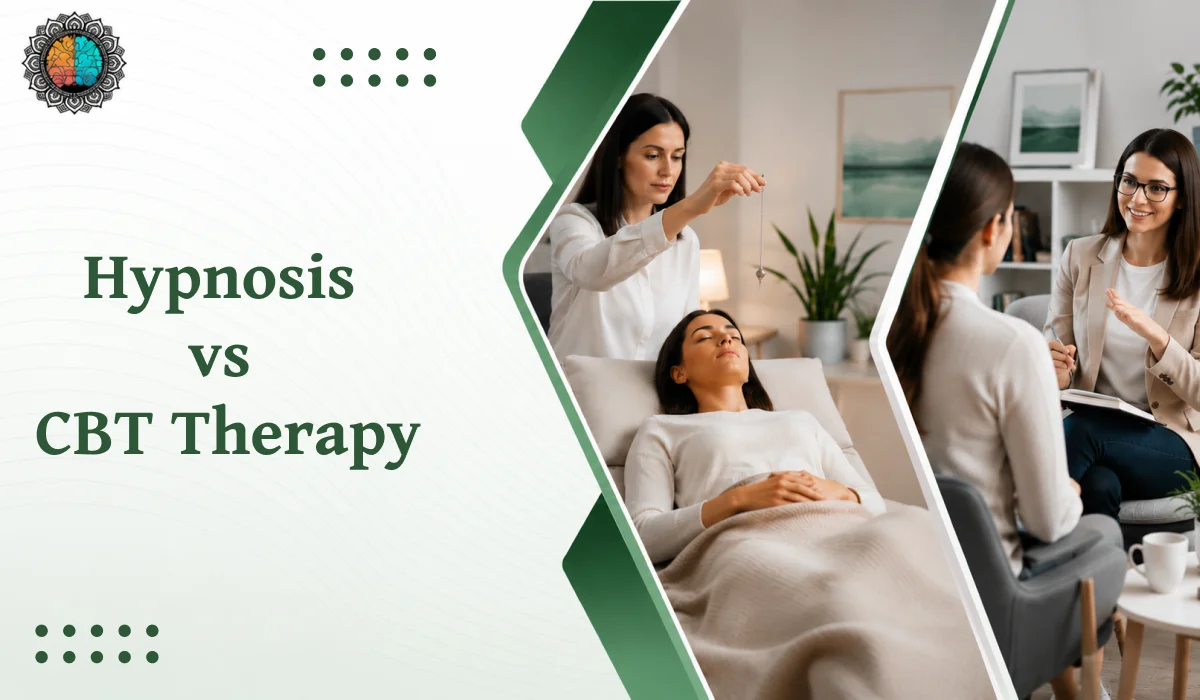
Hypnosis vs CBT Therapy: Understanding the Differences and Choosing the Right Approach
Hypnosis vs CBT Therapy: Understanding the Differences and Choosing the Right Approach When anxiety keeps your mind racing at night, when overthinking turns simple decisions into exhausting mental debates, or when the same unwanted habits keep showing up despite your best efforts, it’s natural to start looking for answers. As you explore your options, you’ll likely come across two widely recommended approaches: hypnotherapy and Cognitive Behavioral Therapy (CBT). Both have helped countless people navigate anxiety, stress, depression, fears, and behavior change. Yet many people find themselves wondering which path is more aligned with what they’re experiencing. If you are also one among them and are looking to understand about Hypnosis vs CBT therapy, what each one offers, how it helps, and which one is right, then the blog below is all you need. TL;DR CBT focuses on changing conscious thought patterns, while hypnotherapy works with subconscious beliefs and behaviors. Cognitive Behavioural Therapy vs Hypnotherapy is not about which is better, but which approach aligns best with your goals, challenges, and preferences. CBT therapy benefits are centered on practical coping skills, while hypnosis therapy benefits focus on creating bigger behavioral and emotional change. What is Hypnosis and How Does it Help? Hypnosis is a gentle therapeutic technique that helps you enter a deeply relaxed and focused state of mind. Contrary to popular belief, hypnosis is not about losing control or being asleep. You’re fully aware of what’s happening around you. In this relaxed state, a certified hypnotherapist helps you access the subconscious mind, the part of your mind where many beliefs, habits, emotional responses, and thought patterns are stored. Using techniques such as guided visualization, positive suggestions, reframing, and mental rehearsal, hypnotherapy can help you replace limiting beliefs with more empowering ones and develop healthier ways of thinking and responding to life’s challenges. Research suggests that hypnotherapy may help: Reduce anxiety and stress by helping the mind relax and feel more in control. This is one reason many people compare Anxiety treatment hypnosis vs CBT when exploring therapy options. Calm overthinking by helping break repetitive thought loops and creating a greater sense of mental clarity. Build confidence and self-esteem by replacing limiting beliefs with healthier and more supportive ways of thinking. Support positive behavior change by making hypnosis vs. talk therapy an important consideration for people working on habits, fears, or personal goals. Improve emotional well-being by helping people respond to challenges with greater calm, resilience, and self-awareness. Encourage mindfulness and presence, which is why many people explore Hypnosis for Mindfulness as part of their wellness journey. What is Cognitive Behavioral Therapy and How Does It Help? Cognitive Behavioral Therapy (CBT) is a type of talk therapy that helps you understand how your thoughts affect your emotions and actions. The goal is to identify thought patterns that may be causing stress, anxiety, or other emotional challenges and replace them with healthier, more realistic ways of thinking. During a CBT session, a therapist helps you recognize recurring thoughts, understand how they influence your feelings and behaviors, and learn practical techniques to respond differently. Over time, these new thought patterns can lead to healthier emotional responses and better decision-making. Unlike hypnotherapy, which works with the subconscious mind, the core of the brain, cognitive behavioral therapy treatment focuses on conscious thoughts and behaviors that you can identify and change. Some of the most common CBT therapy benefits include: Helping you recognize negative thinking patterns that may be contributing to anxiety, stress, or depression. Teaching you how to challenge unhelpful thoughts instead of automatically believing them. Developing healthier ways to respond to stressful situations and emotional triggers. Changing behaviors that may be keeping you stuck in cycles of fear, avoidance, or self-doubt. Building practical coping skills that you can use in everyday life. Because CBT focuses on present-day thoughts and behaviors, it is commonly used for anxiety, depression, stress, phobias, OCD, and other mental health concerns. This is one reason many people compare hypnosis vs. CBT therapy when looking for the approach that best fits their needs. Hypnotherapy vs Cognitive Behavioral Therapy: Key Differences When comparing hypnosis vs. CBT therapy, it’s important to understand that both approaches are designed to help people improve their mental and emotional well-being, but they work in very different ways. Neither approach is inherently better than the other. The right choice depends on your goals, preferences, and the challenges you’re facing. In some cases, a combination of both can be beneficial. Factor Hypnotherapy Cognitive Behavioral Therapy (CBT) Primary Focus Works with subconscious beliefs, habits, emotions, and behavioral patterns. Works with conscious thoughts, beliefs, and behaviors. How It Creates Change Uses relaxation, visualization, positive suggestions, and reframing techniques. Uses discussion, thought analysis, behavioral exercises, and coping strategies. Session Experience Typically involves guided relaxation and focused attention. Typically involves conversation, reflection, and structured exercises. Best For Anxiety, stress, fears, confidence issues, habits, and Hypnotherapy for Overthinking. Anxiety, depression, phobias, OCD, stress management, and negative thinking patterns. Approach to Anxiety Addresses emotional triggers and subconscious responses. Often considered when exploring Anxiety treatment, hypnosis vs CBT. Focuses on identifying and challenging anxious thought patterns. Behavior Change Helps reshape subconscious habits and automatic reactions. Helps change behaviors by altering conscious thought processes. Mindfulness & Self-Awareness Frequently incorporates visualization and relaxation techniques, making Hypnosis for Mindfulness a natural fit. Teaches awareness of thought patterns and emotional responses. Homework Between Sessions Usually minimal and may include recordings, journaling, or self-hypnosis exercises. Often includes worksheets, thought records, and practical exercises. Treatment Style More experiential and inwardly focused. More analytical and skills-based. Goal Create change by addressing deeper subconscious patterns. Create change by developing healthier thinking and behavioral habits. How to Choose Between CBT and Hypnotherapy? When it comes to choosing between CBT and hypnotherapy for treatment, there isn’t a single right answer. The best approach depends on what you’re struggling with, how you prefer to process challenges, and what type of support feels most comfortable to you. You may prefer CBT if you want a structured approach
How Hypnosis Supports Mind-Body Healing Naturally?
How Hypnosis Supports Mind-Body Healing Naturally? How Hypnosis Supports Mind-Body Healing Naturally? How Hypnosis Supports Mind-Body Healing Naturally? How Hypnosis Supports Mind-Body Healing Naturally? Hypnosis supports mind-body healing naturally by helping calm the nervous system, reduce emotional stress, and work with subconscious thought patterns that may affect both mental and physical well-being. Through Hypnosis Therapy and Clinical Hypnotherapy, many people use hypnosis to improve relaxation, emotional balance, sleep, stress management, and overall Mind Body Connection Healing in a gentle and holistic way. Have you ever noticed how stress can make your body feel tired, heavy, or even sick? Or how overthinking can affect your sleep, energy, and emotions? That happens because the mind and body are deeply connected. When one feels overwhelmed, the other responds too. This is exactly why more people are becoming curious about Mind-Body Healing Through Hypnosis and how it may help create balance from within. Today, the Science of Hypnosis is being explored in a much deeper way. Researchers have found that hypnosis may help with stress, anxiety, emotional healing, pain management, and sleep by working with the subconscious mind. But hypnosis is not about losing control or being “put under.” It is a natural state of deep focus and relaxation that helps people become more aware of their thoughts, emotions, and patterns. Let’s understand the science behind Healing Through Hypnosis in a simple and practical way. How Mind-Body Healing Through Hypnosis Works? (Explained with Studies) Ever noticed how your body reacts when your mind feels overwhelmed? You may lose sleep before an important event. Your stomach may feel uneasy during stress. Anxiety may create tension in your shoulders without you even realizing it. That is the mind-body connection in real life. Mind-Body Healing Through Hypnosis works on this same connection. Here’s what actually happens: Hypnosis works directly with this connection. Hypnosis guides the mind into a deeply focused state During hypnosis, the mind becomes deeply relaxed but highly aware at the same time. It is similar to the feeling of being completely absorbed in a movie, a memory, or your thoughts while everything else fades into the background. In this state, the mind becomes less distracted by overthinking, mental noise, and constant stress. This is why many people describe hypnosis as calming, grounding, and mentally quiet. The subconscious mind becomes easier to access Most of our emotional reactions, habits, fears, and thought patterns are controlled by the subconscious mind. These patterns often develop over years through experiences, stress, and repeated emotions. But with Hypnosis for subconscious mind, it becomes more open and responsive. This allows people to work with emotional patterns more deeply instead of only thinking about them logically. Hypnosis may help interrupt stress patterns When the body stays stressed for long periods, the nervous system can remain stuck in survival mode. Even small situations may start feeling emotionally exhausting. Hypnosis helps slow down this constant stress response by creating a state of mental and physical relaxation. As the mind relaxes, the body often follows. This is one reason people explore Hypnosis for Mind-Body Healing for stress, emotional overwhelm, and sleep support. The brain actually behaves differently during hypnosis Researchers studying the Science of Hypnosis found that hypnosis may affect brain regions linked to attention, emotional control, pain perception, and self-awareness. Brain imaging studies suggest that hypnosis can change how the brain responds to discomfort and emotional triggers, which helps explain why some people feel physically lighter or emotionally calmer after sessions. Clinical studies continue to show positive effects A large scientific review published in the National Library of Medicine analyzed hundreds of studies on Clinical Hypnotherapy and found promising results in areas like anxiety, pain management, emotional distress, and medical procedure support. Hypnosis works with both emotional and physical experiences Sometimes emotional stress does not stay emotional. It starts affecting sleep, energy levels, focus, eating habits, and even physical tension in the body. Through Mind Body Connection Healing, hypnosis helps people become more aware of the emotional patterns affecting their mental and physical well-being. This is why many people turn to Hypnosis for Mindfulness and Emotional Healing and other Mind-Body Healing Techniques as part of a holistic healing journey. Hypnosis is not about losing control One of the biggest myths about hypnosis is that someone “takes control” of your mind. In reality, hypnosis is a natural state of focused awareness where you remain conscious and aware throughout the process. The goal of hypnosis is not control, it is awareness, relaxation, and helping the mind respond differently to stress, emotions, and subconscious patterns. Final Thoughts Healing is not always about “fixing” yourself. Sometimes, it is about understanding what your mind and body have been trying to communicate all along. This is why more people today are exploring Mind-Body Healing Through Hypnosis and other holistic approaches that support both emotional and physical well-being together. As a certified hypnotherapist in California, I, Jigeesha Pandya at ManahSculpt, use Clinical Hypnotherapy to help people better understand subconscious patterns, emotional stress, and the deeper mind-body connection in a safe and supportive space. If you have been feeling emotionally overwhelmed, mentally exhausted, or disconnected from yourself, exploring Hypnotherapy for Emotional Healing with the best hypnotherapist in the Bay Area may help you reconnect with your inner balance in a more mindful and compassionate way. Book a free consultation to know more! Frequently Asked Questions(FAQs) Can you heal your body through hypnosis? Mind-Body Healing Through Hypnosis does not directly “cure” physical illnesses, but it may help support the body’s natural healing process by reducing stress, improving emotional balance, supporting sleep, and calming the nervous system. Can hypnosis rewire your brain? Research on the Science of Hypnosis suggests that hypnosis may help create new thought patterns and responses by working with the subconscious mind. This is why hypnosis is often used for habits, emotional healing, stress, and mindset shifts. What are the limitations of using hypnosis to heal our body? Hypnosis is not a replacement for medical treatment or emergency care.

Hypnosis vs Dieting: Why Willpower Alone Doesn’t Work for Long-Term Weight Loss
Hypnosis vs Dieting: Why Willpower Alone Doesn’t Work for Long-Term Weight Loss Dieting relies on willpower and often leads to short-term results, while hypnosis for weight loss focuses on changing habits and mindset for long-term weight loss solutions. If you want weight loss without dieting, hypnosis helps reduce cravings, improve eating habits, and create sustainable change. Most people think weight loss is all about discipline. Eat less, control cravings, stay consistent, and the results will follow. But if that were true, dieting would have worked for everyone. The reality is, many of our clients start with strong motivation. They follow a strict diet, stay committed for a few weeks, and see some progress. But over time, it starts to feel difficult. Cravings come back, routines break, and the weight slowly returns. It becomes a cycle of starting and stopping again. This is where the idea of hypnosis vs dieting for weight loss becomes important. Dieting depends a lot on willpower. But willpower is not constant. It gets affected by stress, emotions, and daily life. When willpower drops, it becomes harder to stick to any plan. This is why hypnosis for weight loss is gaining attention. Instead of forcing change, it helps you understand and shift your patterns from within. In this blog, we’ll look at why dieting often doesn’t work long-term, and how changing your mindset can help you lose weight in a more natural and sustainable way. Why the Dieting Cycle Continues & the Will-Power Alone Don’t Work? If dieting really worked, you wouldn’t have to keep starting over. And the truth is, it’s not just your experience. It’s what research consistently shows. Studies by PMC reveal that most people regain the weight they lose. In fact, more than 50% of lost weight comes back within two years, and over 80% returns within five years. The Dieting Cycle (That Most People Don’t Realize They’re In) It usually looks like this: You start with motivation You follow a strict plan You see some results Then cravings increase Life gets busy or stressful You go back to old habits And the weight returns And then the cycle repeats. Willpower is not a constant resource. It changes based on your stress levels, emotions, sleep, and Environment. You might feel strong one day and completely drained the next. That’s normal. Also, willpower works at the conscious level. Eating habits are driven by the subconscious mind. And, lasting weight loss comes from changing it from within. Until the mindset, habits, and emotional patterns shift, the cycle continues, no matter how strong your willpower is. What is Hypnosis for Weight Loss? Hypnosis for weight loss is a guided therapeutic process that helps you access your subconscious mind to change the habits, thoughts, and emotional patterns that influence how you eat. Instead of relying on willpower or strict dieting, it works by reprogramming automatic behaviors, like cravings, emotional eating, and overeating, so healthier choices feel natural and consistent over time. How Does Hypnosis for Weight Loss Work? Hypnosis vs Dieting: What’s the Real Difference? The real difference between hypnosis vs dieting for weight loss is simple: dieting tries to control your actions from the outside, while hypnosis changes your habits from the inside. Dieting depends on rules, restrictions, and willpower, and weight loss, whereas hypnosis for weight loss works on your mindset, helping you naturally build healthier patterns. This is why many people now see hypnosis as one of the most effective long-term weight loss solutions, especially when they want weight loss without dieting. Dieting vs Hypnosis: A Clear Comparison Aspect Dieting Hypnosis for Weight Loss Approach Focuses on food rules and restrictions Focuses on changing mindset and habits Dependence Relies on willpower Works beyond willpower by rewiring patterns Experience Feels restrictive and hard to maintain Feels natural and sustainable over time Cravings Often increases cravings due to restriction Helps reduce cravings by addressing triggers Emotional Eating Usually ignored Directly addressed and improved Results Short-term results with frequent regain Supports sustainable weight loss strategies Focus What to eat Why you eat Long-Term Impact Temporary change Habit-based weight loss and lasting change Hypnosis Helps in Changing Eating Habits Permanently Most eating habits are not conscious choices; they are patterns built over time. Things like craving sugar at night, eating when stressed, or finishing everything on your plate often happen automatically. This is why trying to control them with willpower rarely leads to sustainable weight loss strategies. Hypnosis for weight loss works by going deeper than surface-level control. It helps you understand and shift the subconscious patterns that drive your behavior. Instead of forcing yourself to “eat better,” your preferences and responses begin to change naturally. For example, with hypnotherapy for weight loss, many people start to notice: Reduced cravings for unhealthy foods Better awareness of hunger and fullness Less emotional eating More consistent, healthy choices without effort This is what makes it a powerful approach for habit-based weight loss. You’re not fighting your habits, you’re rewiring them. And when done with the right guidance, such as working with the Best Hypnotherapist in the Bay Area, the process becomes even more aligned and effective. At ManahSculpt, guided by Jigeesha Pandya, the focus is not just on weight loss, but on helping you build a healthier relationship with food that actually lasts. Final Thoughts If weight loss has felt like a constant cycle, it’s not a willpower problem; it’s a pattern problem. Dieting focuses on control, but real change comes from shifting your habits and mindset from within. That’s where hypnosis for weight loss stands out as a more effective, long-term weight loss solution. It helps you build patterns that feel natural, making it easier to Lose Weight Without Dieting. For those exploring a deeper and more sustainable approach, working with experts like Jigeesha Pandya, known as the Best Hypnotherapist in the Bay Area, offering Hypnosis for Weight Loss in the San Francisco Bay Area, can help you create lasting change without the constant struggle. Book a free
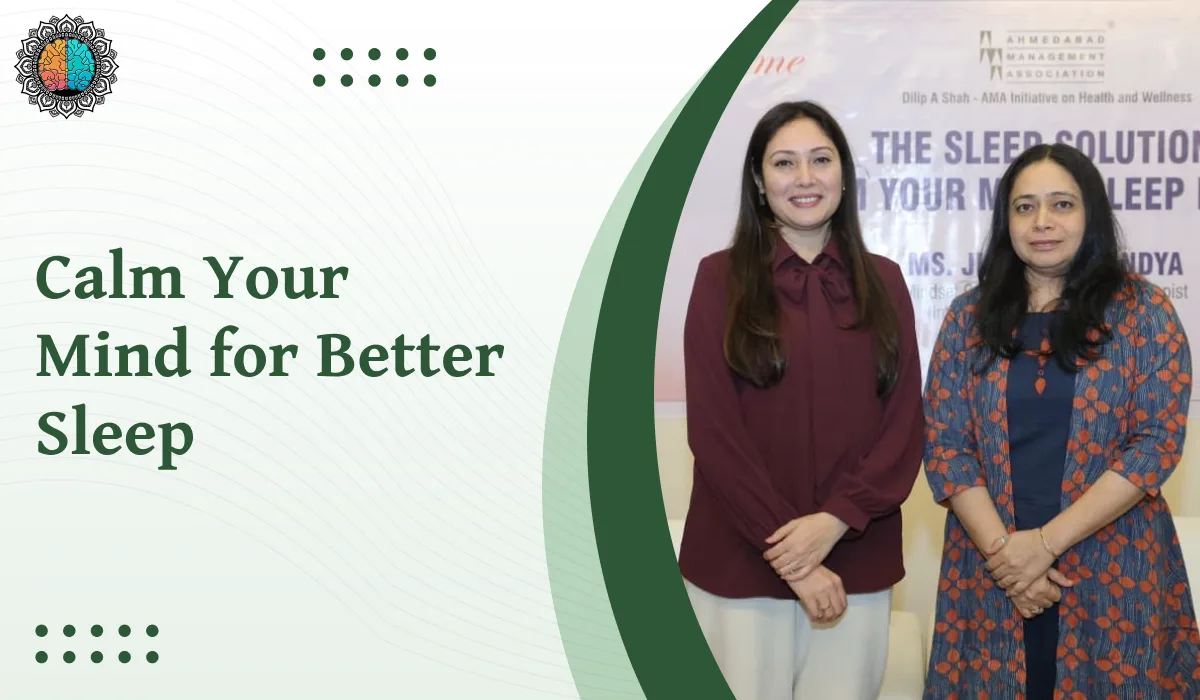
The Sleep Solution Explained: How to Calm Your Mind and Improve Sleep Naturally
The Sleep Solution Explained: How to Calm Your Mind and Improve Sleep Naturally You calm your mind for better sleep by reducing overthinking, slowing down before bedtime, and creating simple, consistent sleep solution habits that signal relaxation. As shared by Jigeesha Pandya, when you build a calm mind for better sleep through basic relaxation techniques for sleep and steady routines, your body naturally falls asleep without force. About 1 in 3 adults don’t get enough sleep regularly. Most people try to fix sleep at night. That’s where the struggle begins. In the session “The Sleep Solution: Calm Your Mind, Sleep Better,” Jigeesha Pandya reframed the entire conversation. She didn’t position sleep as something to chase. She showed how the mind quietly interferes with it and how to remove that interference. This session brought together practical insight, behavioral understanding, and real, usable sleep solution strategies that people could apply immediately. Here’s What You Should Stop Doing for Better Sleep, Explained by Jigeesha Pandya Stop Treating Sleep Like Something You Need to Achieve People often approach sleep with pressure: I need to fall asleep now. Why is this not working? I have to wake up early. That pressure fuels mental activity. Jigeesha addressed this directly. She explained that sleep doesn’t respond to force; it responds to internal state. When the mind stays active, the body follows. When the mind slows down, the body shifts into rest. This simple shift forms the base of all effective sleep improvement techniques. Do Not Overwork Your Mind. Jigeesha broke down the mind-body connection and sleep in a clear, practical way. Your thoughts don’t stay in your mind; they influence your body. Mental replay keeps the brain active Worry signals alertness Over-analysis delays relaxation The body responds instantly to these cues. That’s why people feel exhausted but still can’t sleep. The issue doesn’t come from a lack of sleep ability. It comes from an overactive mental state. When you understand this, you stop asking, “Why can’t I sleep?” You start asking, “What state is my mind in right now?” Do Not Drift Much from Learned Patterns A key insight from the session: Sleep challenges follow patterns, not randomness. Over time, the mind builds associations: The bed becomes a thinking space Night becomes planning time Silence triggers overthinking These patterns repeat every night. Jigeesha emphasized that these are learned responses and that anything learned can be changed. This is where sleep mindset techniques and deeper approaches like Hypnotherapy for Overthinking begin to make a difference. The Three Shifts That Change Sleep Jigeesha structured the session around three powerful shifts that help you improve sleep naturally. Train the Mind to Feel Safe at Night The mind won’t allow sleep if it senses tension. This tension doesn’t always feel obvious. It shows up as subtle mental activity, unfinished thoughts, or constant stimulation. Creating a calm mind for better sleep starts with: slowing down your evenings reducing consumption building predictable routines Over time, the mind begins to associate nighttime with calm instead of activity. Break the Overthinking Cycle Overthinking doesn’t stop with control; it stops with awareness. Jigeesha introduced practical techniques to stop overthinking at night and sleep better, such as: observing thoughts without reacting avoiding late-night problem-solving giving your mind closure before bed For those dealing with persistent mental loops, working through Hypnosis for Anxiety or Hypnotherapy for Overthinking helps shift these patterns at a deeper level. Help the Body Move Into Rest Mode The body needs clear signals to relax. Jigeesha focused on building healthy sleep habits through: consistent sleep timing gentle wind-down routines Reducing stimulation before bed These simple actions strengthen long-term sleep wellness strategies and support natural rest. Practical Tools That Build Real Change The session focused on tools people could actually use. Participants explored: Structured wind-down practices Simple relaxation techniques for sleep Thought management before bedtime Awareness of internal state These tools don’t force sleep. They create the conditions for it. That’s what makes them effective and sustainable deep sleep techniques. Where Hypnosis Becomes Valuable Jigeesha introduced hypnosis as a way to work directly with the mind’s patterns. Instead of trying to control thoughts, hypnosis reduces their intensity and frequency. Approaches like: (Guided hypnosis for relaxation) (Deep sleep hypnosis) (Mind hypnosis techniques) help the mind shift into a calmer state without effort. For those looking for structured support, exploring Hypnosis for Sleep in the Bay Area offers a guided way forward. Many clients who struggle with persistent patterns often find that this becomes the missing piece in their sleep solution journey, something you’ll notice when you meet Jigeesha Pandya, the best Hypnotherapist in the Bay Area for sleep, and understand her approach. The Experience That Changed Perspective The session concluded with a guided relaxation. Participants didn’t just understand calm, they experienced it. They noticed: Their thoughts are slowing down their body relaxing naturally less urgency to “fix” sleep That moment mattered. Because once someone experiences that state, they stop chasing sleep and start allowing it. Final Thought Sleep doesn’t need effort. It needs the right conditions. When you calm the mind, you remove the interference. And when the interference goes, sleep returns, naturally, consistently, and deeply. That’s the shift this session delivered. Frequently Asked Questions Why is it important to calm the mind before sleep? A calm mind reduces mental activity and helps the body shift into a relaxed state, making sleep easier. How does overthinking affect sleep? Overthinking keeps the brain active, delays relaxation, and prevents the body from entering rest mode. What are simple ways to improve sleep naturally? Consistent routines, reducing stimulation, and using relaxation techniques for sleep help improve sleep naturally. Can sleep problems be changed through mindset? Yes. Sleep patterns form through repetition, and sleep mindset techniques can help rewire them. What is the mind–body connection in sleep? Your thoughts influence your body’s state. A calm mind supports relaxation and better sleep. Why shouldn’t we force sleep? Because forcing creates pressure, and pressure keeps the mind alert instead of relaxed.
Hypnosis for Public Speaking Fear: The Guide on How it Works + Benefits!
Hypnosis for Public Speaking Fear: The Guide on How it Works + Benefits! You are standing in front of a crowd and suddenly feeling your heart race, your voice tighten, or your mind go blank. It is common and happens with a lot of people. But, you are wondering, I have prepared for it, I know what I’m doing, why I’m feeling this way? Most of our clients who come for hypnosis for public speaking fear aren’t struggling because they don’t know what to say. They struggle because, in that moment, a kind of internal pressure takes over that’s hard to explain but very real. We often hear thoughts like: What if I mess this up? What if they judge me? What if I freeze right there? And slowly, it stops being just about speaking. It starts affecting how you show up in meetings, presentations, or even casual conversations. This is where hypnotherapy for public speaking anxiety works differently. Instead of asking you to push through the fear or be more confident, it looks at why your mind is reacting this way in the first place and tries to change something from within. Let’s keep reading to know more about hypnosis for public speaking fear, how hypnosis helps overcome public speaking fear, the benefits, and beyond. 5 Key Highlights Hypnosis for public speaking fear works on subconscious patterns behind anxiety and helps in reducing stage fright, overthinking, and automatic fear response while speaking. It uses techniques like mental rehearsal, anchoring, memory updating, and belief restructuring Hypnotherapy for public speaking supports steady confidence and a calmer, more controlled speaking experience What is Hypnosis for Public Speaking Fear? Hypnosis for public speaking fear is a focused, therapeutic approach that works with your subconscious mind, the part that controls automatic reactions like anxiety, self-doubt, and fear. When you’re about to speak and suddenly feel nervous, it’s not something you’re consciously choosing. It’s your mind trying to protect you, often based on past experiences or learned patterns. Hypnosis helps change that response. Through hypnotherapy for public speaking anxiety, you’re guided into a relaxed, aware state where your mind becomes more open to suggestion and change. How Does Hypnosis Help Overcome Public Speaking Fear? Public speaking fear is not really about the audience; it’s about how your mind interprets the situation. With hypnosis for fear of speaking in public, we work at the level where that interpretation is formed. Changing the Fear Response (Reconditioning the Mind) Your mind has learned to link public speaking with danger. A certified hypnotherapist uses subconscious reconditioning and guided mental rehearsal to change that link. In a relaxed state, you mentally practice speaking while feeling calm. This helps your brain create a new pattern, where speaking no longer triggers panic, but a steadier response. It feels normal, calm, and just another task. Quieting Overthinking (Attention Training) Overthinking happens when your mind keeps looping on “what if” thoughts. Through hypnotherapy for overthinking, the best hypnotherapist can help you get over it and calm your constant overthinking. Instead of getting pulled into every thought, you learn to shift attention back to what you’re saying. This makes your thinking clearer and more manageable while speaking. Releasing Past Triggers (Memory Updating) A single past experience, like freezing or being judged, can be stored as an emotional memory. Each time you speak, that memory reactivates. Here’s how hypnotherapy for public speaking works: The memory is gently activated in a safe, controlled state New emotional context (calm, control, safety) is introduced The brain updates the memory before storing it again This doesn’t erase the memory; it removes the emotional charge attached to it. So it stops triggering anxiety in present situations. Building Internal Confidence (Belief Work) Confidence comes from what your mind believes about you. With hypnosis for confidence in public speaking, the best hypnotherapist in the Bay Area works on belief restructuring. In hypnosis, the critical, analytical part of the mind becomes quieter. This allows targeted suggestions like: I can handle this situation I stay composed while speaking Over time, these suggestions become automatic responses rather than forced affirmations. Creating Calm Before You Speak (Anchoring) Most anxiety builds before speaking, not during. To address this, hypnotherapy uses state conditioning and anchoring techniques. A certified hypnotherapist helps you: Create a specific calm state during hypnosis Link that state to a physical cue (like breathing, posture, or a subtle gesture) This is called an anchor. With repetition, your brain learns to associate that cue with calmness. Other Benefits of Hypnotherapy for Public Speaking Anxiety! Here are the key benefits of hypnotherapy for public speaking anxiety: Long-Term Change, Not Temporary Fix Unlike surface-level techniques, hypnosis for anxiety of public speaking focuses on lasting change by working with subconscious patterns, not just symptoms. Improved Overall Communication Skills As your confidence grows, it impacts more than just formal speaking. You may notice better communication in everyday conversations, meetings, and social settings. What Happens in a Hypnosis Session for Public Speaking Fear? If you are wondering what happens in a hypnosis session for public speaking fear, let’s understand it from a certified hypnotherapist in the Bay Area, Jigeesha Pandya, in her own words. 1. Understanding Your Specific Triggers I begin with a conversation to understand how this fear shows up for you. We look at: When the anxiety starts (before, during, or after speaking) What thoughts come up in that moment Any past experiences that may have shaped this response This helps me tailor the session because hypnosis for public speaking fear works best when it’s aligned with your personal patterns. 2. Guided Relaxation (A Focused, Aware State) Next, I guide you into a relaxed, focused state. You’re not asleep or out of control, you’re simply more aware and less distracted. In this state: Your body begins to settle Your mind becomes more receptive You can focus without overthinking This is where hypnosis for stage fright becomes effective, as the subconscious mind is more open to new associations. 3. Working
Can Hypnotherapy Help You Sleep Through the Night? What Research Shows
Can Hypnotherapy Help You Sleep Through the Night? What Research Shows Sleep is meant to feel natural. Effortless. Something we gently slip into at the end of the day without trying too hard. And yet, for many of us, it becomes the very thing we chase the most. If you’ve ever found yourself lying awake, replaying conversations, planning tomorrow, or just wishing your mind would quiet down… you’re not alone. This is where many of our clients begin, tired, frustrated, and searching for something that actually works without relying on medication. That’s often when the question comes up: can hypnotherapy help you sleep through the night? A lot of people have tried mediation, keeping their phone away, diet changes, and stuff. But, still, sleeping feels hard. That’s when many people turn to hypnotherapy for sleep. Over the years, I’ve seen how hypnotherapy for sleep gently shifts the way the mind responds at bedtime. It’s not about forcing sleep. It’s about guiding the mind out of that alert, overthinking state and into a calmer, more receptive one. And this is exactly why hypnosis for sleep problems is gaining attention, not just as alternatives, but as meaningful, non-drug treatments for insomnia. 5 Key Highlights Hypnotherapy for sleep improves sleep quality and helps reduce the time it takes to fall asleep naturally. Hypnosis for sleep problems calms overthinking and reduces nighttime mental activity. Research supports hypnotherapy as a safe, non-drug treatment for insomnia and sleep disorders. Guided hypnosis for sleep supports deeper, more restorative sleep and fewer night awakenings. Hypnotherapy for insomnia helps create long-term sleep improvement by changing subconscious sleep patterns. How Hypnotherapy for Sleep Problems Works? When sleep issues become persistent, they’re often labeled as sleep disorders. But beneath that label, there’s usually a pattern, racing thoughts, conditioned stress around bedtime, or a body that has simply forgotten how to unwind. This is where hypnosis for sleep disorders works differently. It doesn’t fight the symptoms; it works with the subconscious patterns that are keeping you awake. Many people come in asking for hypnotherapy for deep sleep or even something as specific as hypnosis to fall asleep in 5 minutes. And while quick results can happen, what truly matters is creating a lasting shift, so that falling asleep and staying asleep begin to feel natural again. Today, there’s growing curiosity around sleep hypnosis therapy and the broader idea of using hypnosis as a natural therapy for insomnia. But curiosity alone isn’t enough. The real question is, what does the research actually say about it? In this blog, we’ll walk through the science behind hypnotherapy sleep research, understand how hypnosis for better sleep works, and explore whether it can truly help you sleep through the night, consistently, naturally, and without force. What Science Says About Hypnotherapy for Sleep and Insomnia? 1. Clinical Trials Show Hypnotherapy Can Improve Sleep Quality and Daily Functioning In a randomized controlled trial titled “Hypnotherapy for Insomnia, published in the Journal of Clinical Sleep Medicine, participants with insomnia showed significant improvements in sleep quality and daytime functioning after hypnotherapy sessions. This supports the idea that hypnosis treatment for insomnia does not just help at night, it improves how the body and mind function throughout the day. 2. Research Finds Hypnosis Helps You Fall Asleep Faster and More Naturally Difficulty falling asleep is one of the most common symptoms of insomnia. A systematic review titled “Hypnosis for Insomnia: A Systematic Review and Meta-Analysis,” published in Sleep Medicine Reviews, analyzed multiple studies and found that hypnosis can significantly reduce sleep onset latency, the time it takes to fall asleep. This is why hypnosis to fall asleep in 5 minutes or guided hypnosis for sleep are gaining attention; they work by reducing mental resistance rather than forcing sleep. 3. Studies Suggest Hypnotherapy Reduces Night-Time Overthinking and Mental Arousal One of the core mechanisms behind insomnia is cognitive arousal. According to a review published in Sleep Medicine Reviews titled “Hypnosis and Sleep: A Review of the Literature”, hypnosis helps reduce mental hyperarousal by promoting relaxation and altering attention patterns. This is where hypnosis for sleep problems becomes effective; it helps the mind disengage from repetitive thought loops that delay sleep. 4. Meta-Analyses Show Hypnosis Works Better Than No Treatment for Insomnia Looking at broader data, the meta-analysis published in Sleep Medicine Reviews concluded that hypnosis performs better than no treatment or waitlist controls in improving insomnia symptoms. This strengthens the position of hypnotherapy sleep research as a promising area within non-drug treatments for insomnia. “Hypnosis may be beneficial in facilitating sleep and may be considered as a complementary treatment for insomnia.” — Dr. David Spiegel, Associate Chair of Psychiatry & Behavioral Sciences, Stanford University School of Medicine 5. Research Highlights Hypnosis as an Effective Support for Stress-Related Insomnia A more recent review titled “Effects of Hypnosis on Sleep and Insomnia Symptoms,” published by the International Society of Hypnosis, highlights that hypnosis is particularly effective for stress-related sleep disturbances. It explains that hypnosis activates the relaxation response, helping shift the body out of stress mode, making hypnosis for sleep disorders especially useful when insomnia is linked to anxiety or emotional strain. 6. Studies Indicate Hypnotherapy Can Improve Deep Sleep Patterns Over Time Research has also explored how hypnosis affects sleep stages. A study titled “Hypnosis Enhances Slow-Wave Sleep,” published in Sleep (Oxford Academic Journal), found that hypnotic suggestions increased slow-wave sleep (deep sleep) in highly suggestible individuals. This is particularly relevant for hypnotherapy for deep sleep, as slow-wave sleep is the most restorative phase of the sleep cycle. Final Thoughts Hypnotherapy is not about forcing sleep; it’s about reducing the internal resistance that keeps you awake. Across clinical trials, meta-analyses, and sleep studies, hypnosis for better sleep consistently shows benefits in: Falling asleep faster Improving sleep quality Supporting deeper, more restorative sleep If you’ve been struggling with insomnia, overthinking at night, or feeling disconnected from sleep, it may not be about trying harder. It may simply be about approaching sleep differently with the
Hypnosis to Quit Smoking: What Happens Week by Week After Your Sessions?
Hypnosis to Quit Smoking: What Happens Week by Week After Your Sessions? Quitting smoking is rarely just about the cigarette. For most people, it is tied to routines, emotions, stress, and moments throughout the day that feel familiar and automatic. That is why many smokers truly want to quit but find themselves returning to the habit again and again. If you have ever tried to stop smoking before, you probably know this feeling. The intention is there, but the mind keeps pulling you back. This is where hypnosis to quit smoking can feel different. Instead of fighting the habit with willpower alone, hypnosis works with the subconscious mind, the part of the mind where habits, triggers, and automatic behaviors are stored. Through hypnotherapy to stop smoking, the goal is not to force yourself to quit. The goal is to change how your mind relates to smoking in the first place. But one of the most common questions people ask is simple: What actually happens after the hypnosis sessions? Do cravings disappear immediately? Does the desire to smoke come back? How long does it take to feel truly free from nicotine? If you are considering hypnosis for smoking addiction and have these questions, this guide will help you feel more prepared and confident as you begin the process. Highlights Hypnosis to quit smoking works by changing subconscious triggers, helping smokers break the mental patterns connected to cigarettes rather than relying only on willpower. A quit-smoking hypnosis session focuses on relaxation, subconscious reprogramming, and strengthening the identity of a non-smoker, making it easier to reduce cravings. The first 1–4 weeks after hypnotherapy to stop smoking are when most changes happen, as cravings gradually weaken and new habits begin forming. Research suggests hypnotherapy for smoking cessation can improve quit rates, especially when individuals are motivated and supported through a structured program. How Hypnosis Helps You Quit Smoking(Backed by Studies)? Hypnosis works by guiding the mind into a deeply relaxed and focused state. In this state, the subconscious mind becomes more receptive to new suggestions and healthier patterns after a few sessions. Instead of relying only on willpower, hypnotherapy for smoking cessation helps shift the automatic thoughts and emotional responses connected to cigarettes. During hypnotherapy to stop smoking, the goal is often to help the mind detach smoking from feelings of comfort or relief and replace it with healthier associations. Many people begin to notice that the urge to smoke becomes weaker, less frequent, and easier to manage. Research has also explored the potential benefits of hypnosis for quitting smoking. A study published in the International Journal of Clinical and Experimental Hypnosis found that hypnosis showed promising results in helping participants stop smoking when compared to some traditional methods. Another study conducted at the University of Iowa examined smokers who participated in a hypnosis-based smoking cessation program. Researchers reported that many participants remained smoke-free months after their sessions. These studies highlight an important point: smoking is often a behavioral pattern stored in the subconscious mind. By working directly with that part of the mind, hypnosis therapy for nicotine addiction helps individuals reshape how they respond to cravings and triggers. Of course, results can vary from person to person. Factors such as readiness to quit, emotional triggers, and lifestyle habits can all influence the process. But for many people, quitting smoking with hypnosis offers a supportive approach that addresses both the mental and behavioral side of addiction. What to Expect in Quit Smoking Hypnosis Sessions? A quit-smoking hypnosis session focuses on changing the subconscious patterns connected to smoking. Instead of relying only on willpower, hypnotherapy to stop smoking helps shift how your mind responds to cigarettes, cravings, and triggers. Here’s what usually happens during the sessions: Brief discussion about your smoking habitsUnderstanding your triggers, routines, and reasons for wanting to quit. Identifying emotional and behavioral triggersExploring when and why the urge to smoke appears. Guided relaxation and hypnosisYou are guided into a calm, focused state where the mind becomes more open to positive suggestions. Subconscious suggestions to reduce cravingsThe repetitive hypnoptherapy sessions help reshape how the mind views cigarettes and support your goal to quit smoking with hypnosis. Reinforcing the identity of a non-smokerPositive suggestions strengthen confidence and commitment to staying smoke-free. Simple tools to handle triggers after the sessionsPractical guidance to support long-term hypnotherapy for smoking cessation. To better understand how it works, book a free 15-minute consultation call. Week-by-Week After Hypnosis to Stop Smoking Every person experiences the process a little differently, but many people who quit smoking with hypnosis notice gradual mental and physical changes over the first few weeks. These changes often reflect both the body adjusting to life without nicotine and the subconscious mind reinforcing new habits. Week 1: The Initial Shift In the first few days after hypnosis to quit smoking, many people notice a shift in awareness. The urge to smoke may still appear, but it often feels less automatic. You may start noticing triggers, such as stress, coffee breaks, or social situations, without immediately reaching for a cigarette. Week 2: Cravings Begin to Ease During the second week, the body continues adjusting to nicotine withdrawal. Many people report that cravings become shorter and easier to manage. This is also when hypnotherapy for smoking cessation starts reinforcing the idea of being a non-smoker. Week 3: New Habits Start Forming By the third week, many individuals begin settling into new routines. Situations that once triggered smoking may feel easier to handle without cigarettes. This stage often helps people build confidence that they can truly stop smoking for good with hypnotherapy. Week 4 and Beyond: Strengthening a Smoke-Free Identity As the weeks pass, the mental association with smoking continues to weaken. The focus shifts from resisting cigarettes to simply living without them. This is where hypnosis therapy for nicotine addiction helps reinforce healthier habits and long-term behavioral change. Final Thoughts Quitting smoking is not always a straight line. Some days feel easier than others, and that’s a natural part
Hypnotherapy for Life Transitions and Major Changes
Hypnotherapy for Life Transitions and Major Changes Life doesn’t move in a straight line. It shifts, evolves, and sometimes asks us to step into unfamiliar territory. A new career, the end of a relationship, becoming a parent, moving to a new place, entering midlife, or even questioning the direction of our life, these moments are all part of what we call major life transitions. Even when the change is something we have chosen, it can still feel unsettling. The routines we were used to have changed. The roles we identified with may shift. And suddenly, we find ourselves trying to adjust emotionally, mentally, and sometimes even physically. This is why navigating life transitions can feel more complex than it appears on the surface. Our conscious mind may understand that change is necessary or even exciting. But the subconscious mind, the deeper part of us that holds our beliefs, memories, and emotional patterns often responds differently. It may hold on to fear, uncertainty, or resistance because it prefers what feels familiar and safe. That’s where hypnotherapy for life transitions and major changes can be incredibly supportive. Rather than forcing change, hypnotherapy works gently with the subconscious mind. It helps uncover the thoughts, emotions, and internal patterns that may be making the transition feel heavier than it needs to be. Let’s understand all about hypnotherapy for life transitions and major changes. Key Highlight: Major life transitions such as career shifts, relationship changes, relocation, or midlife reflection can bring emotional uncertainty and require mental and emotional adjustment. Hypnotherapy for life transitions and major changes helps individuals understand subconscious patterns and develop a calmer, more confident response to change. Hypnosis for major life changes supports stress reduction, mindset shifts, emotional balance, and clearer decision-making during important life phases. Life change hypnotherapy and subconscious change therapy help release limiting beliefs and encourage personal growth while navigating life transitions. Does hypnotherapy for change really work? Yes, hypnotherapy for life changes can be effective, and several studies support its role in helping people manage emotional stress, anxiety, and behavioral patterns during periods of transition. As per research published in the International Journal of Clinical and Experimental Hypnosis, Hypnosis had a moderate to large effect in reducing anxiety, with participants receiving hypnosis showing greater improvement than around 79% of those in control groups who did not receive hypnosis. Since anxiety and emotional overwhelm are common during major life transitions, such as career shifts, relationship changes, or midlife adjustments, hypnosis for stress and major life changes can help individuals process emotions more calmly and adapt more confidently. Scientific research also suggests that hypnosis influences how the brain processes thoughts and emotions. Brain imaging studies have shown that hypnosis can change activity in brain networks related to attention, self-awareness, and emotional regulation, which may help people become more open to new perspectives and behavioral change. This connection with the brain’s adaptive ability, often referred to as neuroplasticity, is one reason hypnotherapy for personal transformation and subconscious change therapy are increasingly explored as supportive approaches during life transitions. While hypnotherapy is not a quick fix, evidence indicates that it can be a helpful tool for improving emotional resilience and mindset when navigating significant changes in life. Read More: Different Types of Hypnosis Therapy Hypnotherapy for Coping With Major Life Changes Life transitions can take many forms. Some changes are planned and exciting, while others arrive unexpectedly and require emotional adjustment. During these moments, hypnotherapy for life transitions can help individuals process emotions, build confidence, and adapt to new circumstances with greater ease. Below are some common life transitions where life change hypnotherapy and transition support hypnotherapy can be helpful. Career or Professional Transitions: Hypnosis for life changes can help individuals manage uncertainty, build confidence, and adjust to new professional roles or career paths. Relationship Changes: Hypnotherapy for emotional adjustment can help process emotions related to separation, divorce, or evolving relationships. Moving or Relocation: Hypnosis for change and adaptation helps individuals adjust emotionally when moving to a new environment or culture. Midlife Transitions: Holistic hypnotherapy for midlife transitions can support self-reflection, identity shifts, and rediscovering purpose. Major Life Decisions: Hypnosis to cope with major life decisions can help individuals approach important choices with clarity and emotional balance. Benefits of hypnotherapy during major life changes? Hypnotherapy for life transitions and major changes helps individuals work with these deeper patterns, allowing the mind to adapt more calmly and confidently while navigating life transitions. Reduces Stress During Life Transitions: Hypnotherapy for emotional adjustment helps calm the mind and reduce stress when facing uncertainty or major life changes. Supports Mindset Change: Mindset change hypnotherapy helps shift limiting beliefs and encourages a more confident outlook during life transitions. Improves Adaptation to New Situations: Hypnosis for change and adaptation helps the subconscious mind accept new roles, environments, and responsibilities. Provides Clarity During Major Decisions: Hypnosis to cope with major life decisions helps quiet mental overwhelm and supports clearer thinking. Builds Confidence During Life Changes: Hypnotherapy for confidence during major changes strengthens self-trust and emotional resilience. Encourages Personal Transformation: Life change hypnotherapy supports hypnotherapy for personal transformation by helping individuals release old patterns and move forward with greater clarity. Final Thoughts Life transitions often invite us to grow in ways we may not have expected. While change can feel uncertain at times, it can also become an opportunity to pause, reflect, and reconnect with what truly matters. With the right support, adapting to new chapters in life becomes less about resisting change and more about learning how to move through it with greater awareness and confidence. In my work, I often see how hypnotherapy for life transitions and major changes can help individuals understand their emotional responses and gently shift the patterns that may be holding them back. At ManahSculpt as Certified Hypnotherapist in the Bay Area, California, I support individuals who are going through important life changes and help them reconnect with their inner strength so that hypnosis for life changes can become a meaningful part of