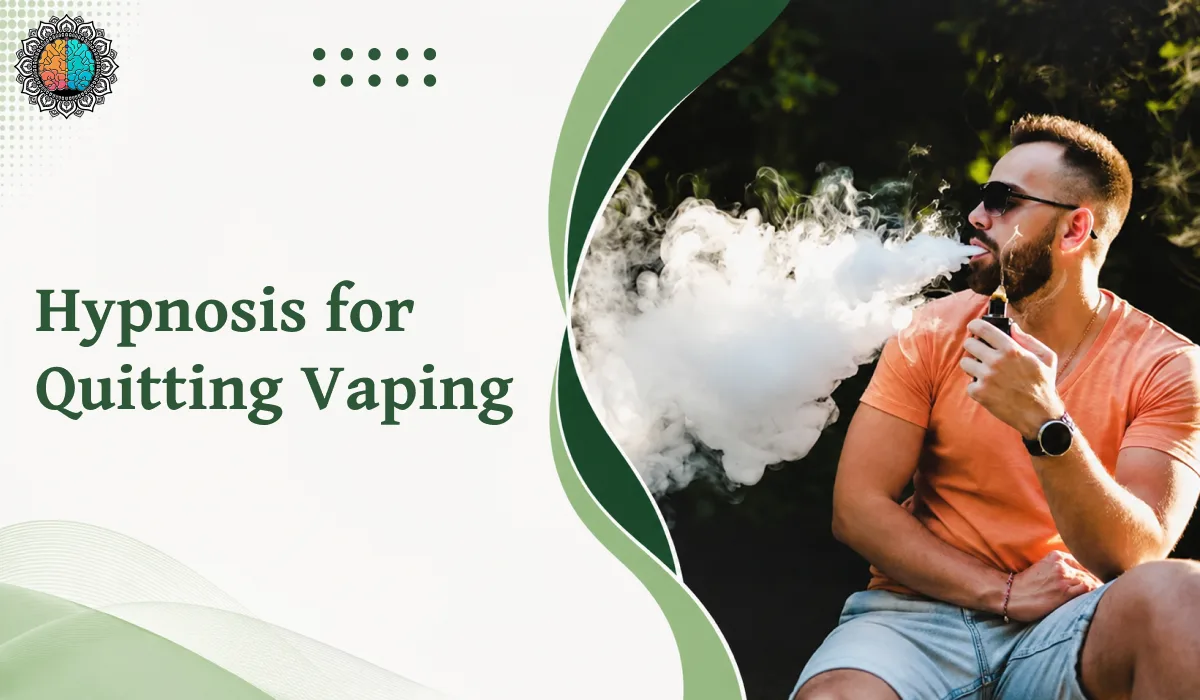
Hypnosis for Quitting Vaping: Does it Really Work?
For many people, vaping does not feel like a “big problem” at first. It may start as something to do during stress, boredom, work breaks, or social moments. But slowly, the mind begins to connect vaping with comfort, calm, focus, or relief. That is when quitting can feel harder than expected.
The CDC reports that 1.63 million U.S. middle and high school students used e-cigarettes in 2024, and 26.3% of current users vaped every day.
If you started vaping suddenly, gave in to peer pressure, or picked it up during a stressful phase, and now want to break free from the habit, you are not alone. Maybe you have tried to stop before, but the cravings, triggers, or emotional pull keep bringing you back. If you are now considering hypnosis to quit vaping, this blog will help you understand what to expect.
Below, we’ll be walking you through how it works, how it helps, and what you can do to get rid of this habit with quit vaping hypnotherapy.
Tl;DR
Hypnosis for Quitting Vaping helps you understand the triggers, cravings, and emotional patterns behind vaping, then gently guides your mind toward healthier responses. In a stop vaping hypnotherapy session, a professional hypnotherapist may use relaxation, focused attention, and positive suggestions to support habit change, reduce the mental pull of vaping, and help you feel more in control without relying only on willpower.
What is Hypnotherapy and How Hypnosis Helps you Quit Vaping Naturally?
Hypnotherapy is a guided therapy that uses hypnosis to bring the mind into a calm, focused state. The American Psychological Association describes hypnosis as a state of focused attention where a person becomes more open to helpful suggestions.
For quitting vaping, hypnotherapy helps people notice their triggers, such as stress, boredom, peer pressure, or cravings, and replace the habit with healthier responses.
The CDC also recommends counseling and support when quitting vaping, especially because nicotine withdrawal can bring cravings, irritability, sleep issues, and trouble concentrating.
Research on hypnosis for nicotine habits shows that after 12 months, 24% of people in the hypnosis group had quit, compared with 16% in the behavioral counseling group.
Benefits of Hypnosis for Vaping
Hypnosis for vaping helps by working with the subconscious mind, the part of the mind that stores habits, emotional reactions, and automatic behaviors. Instead of only saying, “I need more willpower,” stop vaping hypnotherapy helps people understand what drives the habit and gently replace it with healthier thoughts and responses.
Helps you understand your vaping triggers
Many people vape without even thinking about it. It may happen after meals, during work breaks, while driving, when feeling stressed, or around certain people. Hypnosis can help bring awareness to these triggers so you can respond differently instead of reaching for the vape automatically.
Supports better control over cravings
Cravings can feel strong because the brain expects vaping as a quick reward. Stop vaping hypnosis can help reduce the emotional pull behind cravings by teaching the mind to pause, relax, and choose a healthier action.
Works on the emotional side of vaping
Some people vape to feel calm, distracted, confident, or less anxious. Quit vaping hypnotherapy helps address these emotional connections, so vaping no longer feels like the only way to cope.
Helps replace vaping with healthier habits
Hypnosis does not only focus on stopping the habit. It also helps the mind build new responses, such as deep breathing, drinking water, taking a short walk, grounding yourself, or using calming self-talk when cravings appear.
Reduces dependence on willpower alone
Willpower can help for a short time, but it may not be enough when stress or cravings hit. Hypnosis to quit vaping works deeper by changing the thoughts and patterns that keep the habit alive.
Supports stress and anxiety management
Stress often becomes one of the biggest reasons people continue vaping. Hypnosis can help calm the nervous system and support better emotional balance, making it easier to handle stressful moments without vaping.
Builds a stronger quitting mindset
A big part of quitting is changing how you see yourself. Vaping hypnosis can help you move from “I am trying to quit” to “I am someone who does not need vaping anymore.”
Can support long-term habit change
Hypnosis focuses on the root patterns behind vaping, not just the surface habit. This can make it easier to stay committed, avoid old triggers, and create a healthier routine over time.
Step-by-Step Hypnosis Process for Quitting Vaping
When you work with a professional hypnotherapist, Hypnosis for Quitting Vaping becomes a guided and personalized process. The goal is not to simply tell you to “stop vaping.” Instead, the hypnotherapist helps you understand why the habit started, what keeps it going, and how your mind can begin choosing healthier responses.
Initial Consultation
The process usually begins with a one-on-one conversation. A professional hypnotherapist will ask about your vaping pattern, triggers, cravings, stress levels, past quitting attempts, and emotional connection to vaping. This helps create a session that fits your needs instead of using a one-size-fits-all approach.
Identifying Your Triggers
Next, the hypnotherapist helps you notice what makes you reach for the vape. It could be stress, boredom, anxiety, peer pressure, social situations, work breaks, or the need to feel calm. This step is important because stopping vaping hypnotherapy works best when it addresses the real reason behind the habit.
Creating a Clear Quit Goal
Together, you and the hypnotherapist set a clear goal. This may include quitting completely, reducing cravings, feeling more confident, or breaking the emotional link between vaping and comfort. A clear goal gives the hypnosis session direction.
Guided Relaxation
During the session, the hypnotherapist guides you into a calm and focused state using breathing, imagery, and gentle suggestions. You stay aware and in control, but your mind becomes more open to positive change.
Reframing the Vaping Habit
In this focused state, the hypnotherapist helps your mind separate vaping from relief, confidence, or comfort. For example, instead of seeing vaping as a way to calm down, your mind can begin connecting calmness with breathing, control, and self-trust.
Building Healthier Responses
The hypnotherapist may suggest new ways to respond when cravings appear. This can include taking a pause, drinking water, breathing deeply, walking away from a trigger, or reminding yourself that the craving will pass. This helps replace the old habit with a healthier pattern.
After-Session Support
After the session, the hypnotherapist may suggest simple tools such as self-hypnosis, breathing exercises, journaling triggers, or listening to a recording. These tools help reinforce the work done during the session.
Final Thoughts
Quitting vaping is not only about putting the vape down. It is also about understanding what makes you reach for it in the first place: stress, boredom, emotions, routines, or social pressure. When you work with these patterns, change starts to feel more possible and less forced.
Hypnosis for Quitting Vaping can support this process by helping the mind create calmer, healthier responses to cravings and triggers.
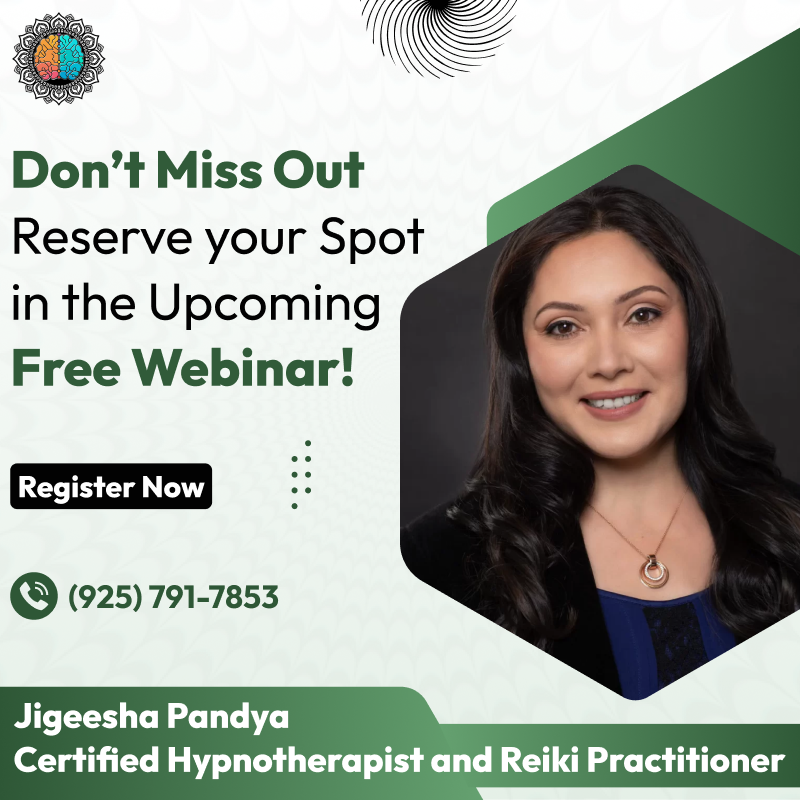
And if you feel ready to explore this kind of support, I, Jigeesha Pandya, at ManahSculpt can help you as a certified hypnotherapist in the Bay Area.
Frequently Asked Questions(FAQs)
Which is the best therapy to quit vaping without nicotine replacement?
The best therapy depends on your triggers and habits. Many people explore hypnosis for vaping, behavioral therapy for vaping, and counseling to quit without nicotine replacement.
Is hypnosis effective for vaping addiction?
Hypnotherapy for vaping addiction may help by working on cravings, emotional triggers, and automatic habits. Results can vary, but many people use stop vaping hypnosis as supportive therapy.
What happens during a hypnosis session for quitting vaping?
During quit vaping hypnotherapy, a hypnotherapist guides you into a calm, focused state and uses positive suggestions to help change your response to vaping triggers.
Can hypnosis reduce nicotine withdrawal symptoms?
Nicotine addiction hypnosis may help you manage cravings, stress, and emotional discomfort, but physical withdrawal can still happen. It works best with proper vaping withdrawal support.
Is hypnosis safe for quitting vaping?
Yes, clinical hypnotherapy for addiction is generally safe when practiced by a trained professional. You stay aware, in control, and can stop the session at any time.

Jigeesha Pandya is a Certified Hypnotherapist and Reiki Practitioner. With a background in climate change research, she shifted her focus to hypnotherapy, studying at the renowned Hypnosis and Motivation Institute in Los Angeles. Jigeesha is passionate about helping individuals harness the power of the subconscious mind for healing and growth.
5 Benefits of Hypnosis for Business Success You Should Know About
Most Recent Posts
- All Posts
- Hypnosis
- Motivation
- Relationship
- Test 1
- test 2