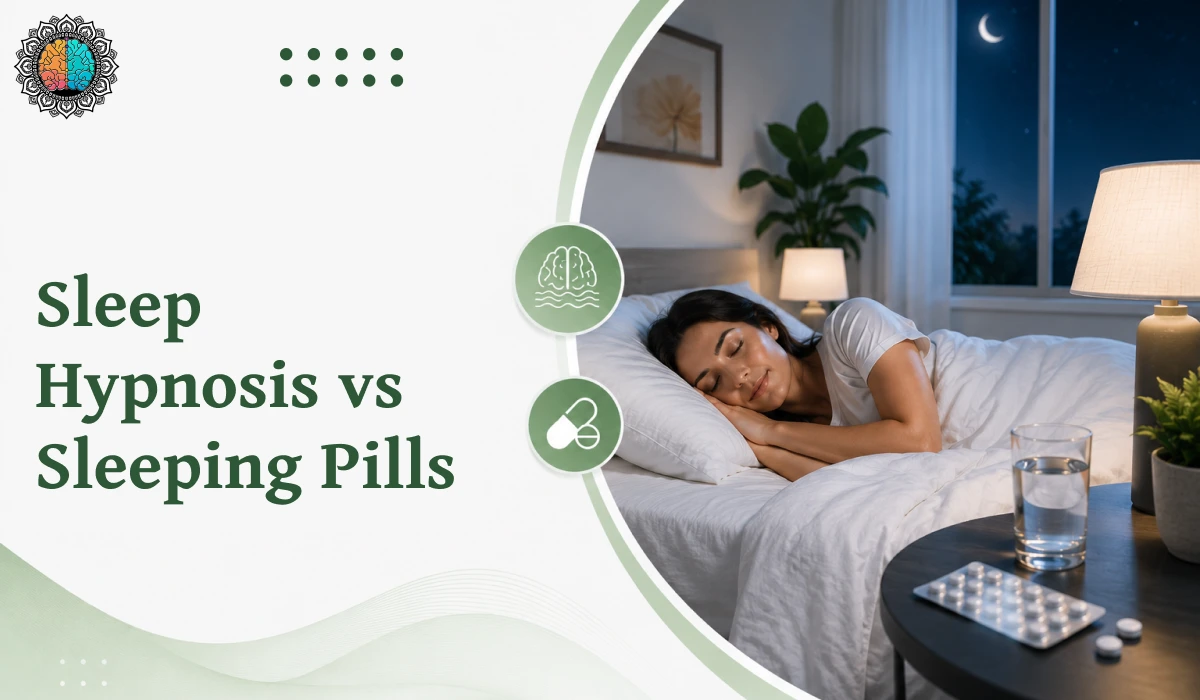
Getting enough sleep is becoming increasingly difficult for many Americans.
According to the CDC, 30.5% of U.S. adults slept less than seven hours per night in 2024, while 15.4% had trouble falling asleep most days or every day. At the same time, 12.9% of adults used some form of sleep aid most days or every day to help them fall or stay asleep.
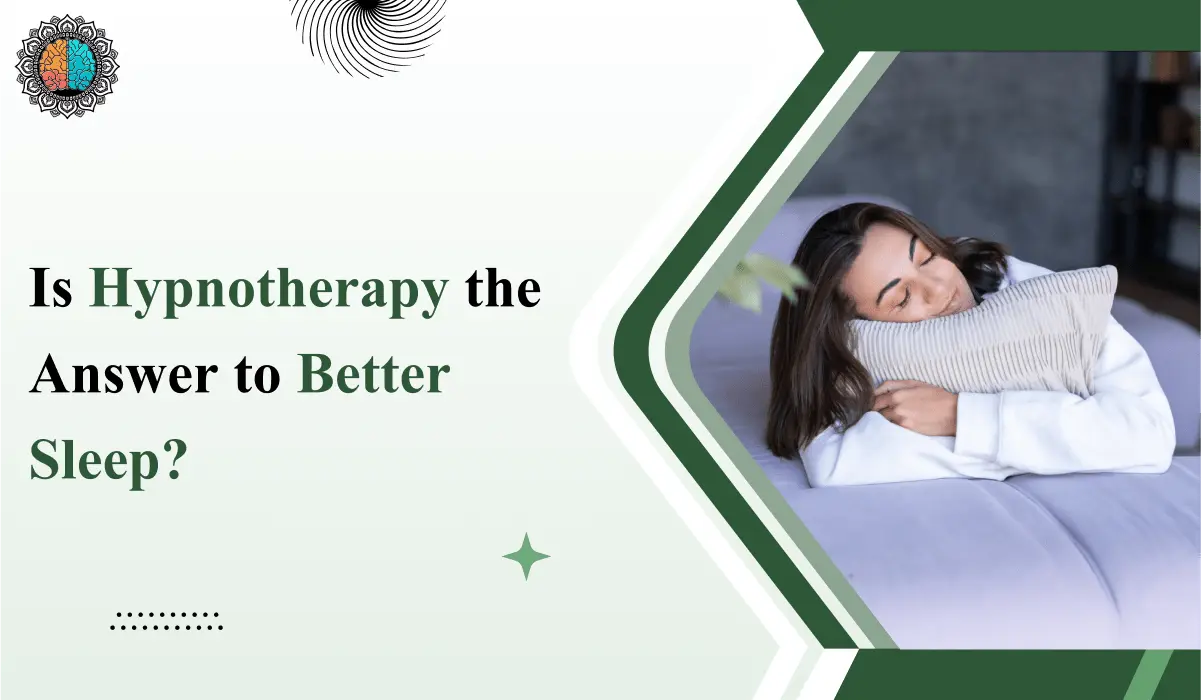
But when sleepless nights become a regular pattern, is reaching for sleeping pills for insomnia always the best long-term answer? Or could approaches such as sleep hypnosis help address the stress, anxiety and mental patterns that can interfere with sleep?
The real question is not simply which option helps you sleep tonight, but which approach can support healthier, more sustainable sleep over time.
Let’s compare hypnosis for sleep and sleeping pills to understand their benefits, limitations and role in long-term sleep management.
TL;DR
Sleep hypnosis may be a useful non-drug option for supporting relaxation and better sleep, while sleeping pills can provide short-term relief but may carry medication-specific risks. Neither is universally better, and chronic insomnia should be managed with appropriate professional guidance and evidence-based treatment.
Sleep Hypnosis vs Sleeping Pills: How to decide the right one?
Sleeping pills can provide short-term symptom relief, but they are not automatically the best long-term solution for everyone.
Hypnosis for better sleep takes a different approach. Instead of using medication to induce sleep, it uses focused attention, relaxation, visualization and therapeutic suggestions to encourage a calmer mental state around bedtime. Research suggests that hypnotherapy may improve certain sleep outcomes, but the evidence remains limited and researchers continue to call for higher-quality studies.
|
Factor |
Sleeping Pills |
Sleep Hypnosis |
|
What it is |
Medication used to help with difficulty falling asleep or staying asleep. |
A non-drug approach using focused attention, relaxation and therapeutic suggestions to calm the subconscious mind and support sleep. |
|
How it works |
Works through the effects of specific medications on the brain and sleep-related processes. |
Aims to promote mental and physical relaxation and reduce thoughts or stress that may interfere with sleep. |
|
Main purpose |
Often provides more direct, short-term relief from insomnia symptoms. |
Focuses on relaxation and changing the mental patterns or associations surrounding bedtime. |
|
How it is taken/used |
Taken according to the instructions of a healthcare professional or medication label. |
May involve guided sessions, visualization, relaxation exercises and positive suggestions. |
|
How quickly it may help |
Some medications can help with sleep relatively quickly, depending on the drug. |
The response varies; some people may feel relaxed after a session, while others may need repeated sessions. |
|
Side effects |
Can include drowsiness, impaired alertness and other medication-specific effects. Certain medicines also carry more serious risks. |
Research to date suggests a low incidence of adverse effects. |
|
Dependence concerns |
Some sleep medicines can cause tolerance, dependence or withdrawal-related problems. |
Does not involve medication, so it does not carry medication-related dependence or withdrawal risks. |
|
Long-term use |
Long-term suitability depends on the specific medication and individual circumstances; safety and effectiveness can vary. |
May be considered as a complementary, non-drug approach, but evidence for long-term insomnia treatment remains limited. |
|
Best suited to |
People whose healthcare professional determines that medication is appropriate for their particular sleep problem. |
People interested in a non-drug approach to relaxation and sleep support. |
|
For chronic insomnia |
Medication may have a role in selected cases, but it should not be viewed as the only treatment option. |
May complement evidence-based insomnia treatment, but should not be presented as a guaranteed replacement for medical treatment. |
Why Are People Leaning Towards Sleep Hypnosis?
As more people look for better sleep without sleeping pills, non-drug approaches such as hypnosis for sleep are gaining attention.
A systematic review by PubMed of 24 studies found that 58.3% reported positive effects of hypnosis on sleep outcomes, although the researchers noted that more high-quality studies are needed.
Sleep hypnosis works through deep relaxation, focused attention and positive suggestions that can influence the subconscious mind. The idea is to help reduce stress, overthinking and negative sleep patterns while encouraging the mind to associate bedtime with calmness and rest.
Because everyone’s sleep concerns are different, it is suggested to consult with a best hypnotherapist for better, personalized results. Working with a qualified professional hypnotherapist can tailor the suggestions and techniques to your specific sleep patterns, stress levels and goals, to ensure the best results.
Final Thoughts
When it comes to better sleep, there is no one-size-fits-all solution. The right approach depends on your sleep concerns, lifestyle and overall needs. If you are looking for better sleep without sleeping pills, you can explore hypnosis for sleep as a gentle, non-drug option alongside healthy sleep habits and appropriate professional care.
As Jigeesha Pandya, a professional hypnotherapist at ManahSculpt, I help clients understand the subconscious patterns that may be affecting their sleep and work towards healthier, more restful sleep patterns through personalised hypnotherapy.
To know more about hypnosis for better sleep and how this works, book a free consultation call.

Frequently Asked Questions(FAQs)
Does sleep hypnosis work better than sleeping pills?
Hypnosis takes a different approach, it works with the subconscious mind and helps with sleep, but its effectiveness varies from person to person and the professional you are working with.
Does sleep hypnosis work for long-term insomnia relief?
Sleep hypnosis for long-term insomnia relief may help some people, particularly when stress or anxiety affects sleep. However, more research is needed, and CBT-I remains a recommended treatment for chronic insomnia.
What is a natural alternative to sleeping pills for sleep?
Options include sleep hypnosis, relaxation techniques, mindfulness, breathing exercises and healthy sleep habits. For chronic insomnia, professional evaluation and evidence-based treatment are important.
What are the benefits of sleep hypnosis over medication?
Potential sleep hypnosis benefits include being non-drug-based and focusing on relaxation, stress reduction and subconscious patterns that may affect sleep. It does not carry medication-related side effects or dependence risks.
Is sleep hypnosis safer than sleeping pills?
Sleep hypnosis is generally considered a low-risk approach when provided appropriately. Sleeping-pill risks vary considerably by medication and individual health factors.
What are the long-term effects of sleeping pills?
The long-term effects of sleeping pills depend on the specific medication and how long it is used. Some may cause tolerance, dependence, withdrawal symptoms, next-day impairment or other side effects, so long-term use should be medically supervised.
How can I stop relying on sleeping pills naturally?
Do not stop prescription sleeping pills suddenly without medical guidance. A healthcare professional can help create a safe plan that may include sleep hygiene, behavioral sleep therapy, relaxation techniques or sleep hypnosis where appropriate.

Jigeesha Pandya is a Certified Hypnotherapist and Reiki Practitioner. With a background in climate change research, she shifted her focus to hypnotherapy, studying at the renowned Hypnosis and Motivation Institute in Los Angeles. Jigeesha is passionate about helping individuals harness the power of the subconscious mind for healing and growth.
- All Posts
- Hypnosis
- Motivation
- Relationship
- Test 1
- test 2