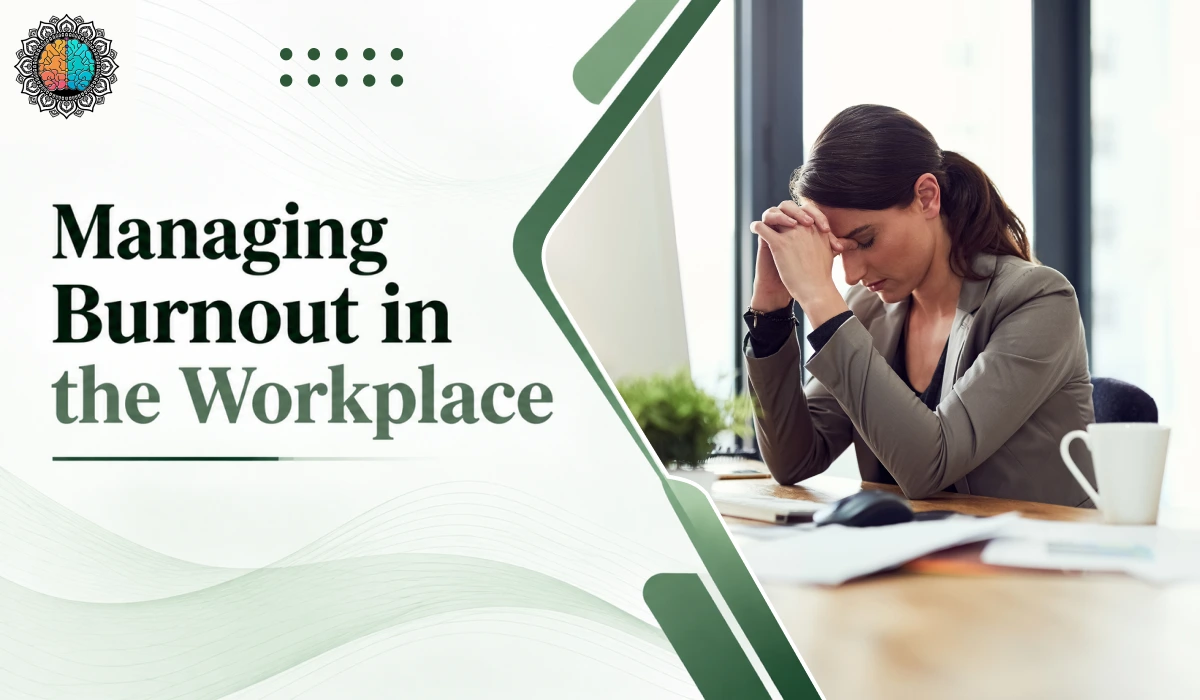
Burnout at work can build gradually, leaving you feeling emotionally drained, mentally exhausted, and disconnected from your job. Long hours, constant pressure, limited recovery time, and ongoing workplace stress can all contribute to it. Recognizing the signs early and learning how to manage stress can help prevent burnout from becoming overwhelming.
For some employees, hypnotherapy for burnout may offer an additional way to support relaxation, manage stress, and develop healthier responses to workplace pressure. This guide explores the common signs of burnout, how hypnotherapy may help, and practical ways to manage burnout at work.
TL;DR
- Workplace burnout can cause exhaustion, low motivation, poor focus, and emotional detachment.
- Ongoing workload, pressure, lack of support, and poor work-life boundaries can contribute to employee burnout.
- Hypnotherapy for burnout may help manage stress and unhelpful thought patterns.
- It may also support healthier habits, better boundaries, relaxation, and a more sustainable approach to work.
- Recognizing burnout early and seeking personalized support can help you move toward better balance and recovery.
Common signs of burnout at work
Burnout does not always arrive all at once. Sometimes, it starts with feeling tired on a Monday morning, needing more effort to get through simple tasks, or counting the hours until the workday ends. Over time, that constant pressure can affect both your work and how you feel outside of it.
Some common signs of burnout at work include:
- You feel tired before the day even begins: Sleep may not seem to restore your energy, and the thought of another workday feels exhausting.
- Work starts feeling emotionally heavy: Tasks that once felt manageable may suddenly feel overwhelming or frustrating.
- You struggle to switch off: Even after leaving work, your mind keeps replaying deadlines, conversations, or unfinished tasks.
- Your motivation starts disappearing: You may find yourself doing only what is necessary because you no longer have the energy or interest to do more.
- Small things feel much bigger: Minor mistakes, uncomfortable discussions, or simple deadlines can trigger frustration or irritability.
- You feel disconnected from your work: Instead of feeling involved in what you do, you may begin to feel numb, detached, or like you are simply getting through the day.
- Your concentration takes a hit: Staying focused, making decisions, or remembering simple details can become surprisingly difficult.
- You stop feeling like yourself: Persistent workplace stress can spill into your sleep, relationships, mood, and ability to enjoy things outside of work.
These experiences are not simply about having a busy week. When workplace stress continues without enough time to recover, it can gradually leave you feeling physically and emotionally depleted. Recognizing these changes is an important first step toward addressing employee burnout rather than continuing to push through it.
What is Hypnotherapy for managing burnout in the workplace?
When work stress continues for too long, simply telling yourself to “relax” may not be enough. Your mind can stay in a constant state of pressure even when the workday is over. This is where hypnotherapy for burnout may offer another approach.
Hypnotherapy uses guided relaxation and focused attention to help you access a deeply relaxed state. During a session, a trained hypnotherapist may use therapeutic suggestions and techniques to help you explore patterns linked to stress, anxiety, emotional exhaustion, and unhelpful thought patterns.
For someone experiencing workplace burnout, hypnotherapy may help create a greater sense of calm and make it easier to respond to workplace pressure without feeling constantly overwhelmed. It is not about losing control or being made to do something against your will. Instead, the aim is to help you develop healthier ways of responding to stress and improve your ability to switch off and recover.
How does hypnotherapy for managing burnout in the workplace work?
Hypnotherapy for managing burnout in the workplace is not a quick fix for an unhealthy workload or a difficult workplace. Burnout is linked to chronic workplace stress, and the World Health Organization (WHO) describes it through three core experiences: exhaustion, increased mental distance or cynicism toward work, and reduced professional efficacy.
The reason hypnotherapy may be useful is more specific: it can work on the stress response, relaxation, attention, and patterns of thinking to prevent burnout.
1. It can help interrupt the cycle of constant stress
Imagine an employee who spends the entire day moving between meetings, deadlines, messages, and urgent requests. At 8 p.m., they are physically away from work, but their mind is still running through tomorrow’s tasks.
Hypnotherapy uses focused attention and guided relaxation to create a calmer mental state. This may help someone practise moving from a heightened state of alertness toward relaxation rather than remaining mentally “on” all evening.
There is research in PubMed supporting this possibility. A systematic review of nine randomized controlled trials involving 365 participants found that six studies reported significant positive effects of hypnosis on perceived stress.
2. Encourages healthier habits around work and recovery
Burnout often changes daily habits. You might skip lunch, work through breaks, stay online late, sleep poorly, or sacrifice personal time because work always feels urgent.
Hypnotherapy can be used alongside practical habit changes to reinforce behaviours that support recovery, such as taking regular breaks, creating a boundary between work and home, practising relaxation, or maintaining a healthier sleep routine.
The aim is not for hypnosis to magically create new habits. Rather, repeated therapeutic suggestions and behavioural practice may help make healthier choices feel more familiar and achievable.
3. Helps change unhelpful beliefs about productivity
One of the less obvious sides of burnout is the belief that being productive means constantly doing more.
For example:
“If I’m not busy, I’m falling behind.”
“Taking a break means I’m wasting time.”
“I have to get everything perfect.”
These beliefs can keep you working even when your concentration and energy are already depleted. Hypnotherapy may be used to explore these patterns and reinforce more balanced perspectives around productivity, rest, and personal expectations.
That can help shift the focus from working longer to working more sustainably.
4. May support better concentration and mental clarity
When you’re burned out, your attention can feel scattered. You may read the same email several times, jump between tasks, or struggle to make simple decisions.
A 2021 systematic review and meta-analysis found that hypnosis can influence aspects of cognition, including attention and executive functioning.
In a workplace context, the potential benefit is less about becoming “more productive through hypnosis” and more about reducing some of the mental noise that makes it difficult to focus.
5. Helps create a mental transition between work and personal life
For many people experiencing burnout, the workday does not really end when they leave the office. They continue thinking about tomorrow’s meeting, replaying a difficult conversation, or worrying about unfinished tasks.
Relaxation and guided imagery techniques used in hypnotherapy may help create a stronger psychological transition from work mode to personal time.
This can be particularly useful for people who work remotely, where the physical boundary between work and home may be almost nonexistent.
Can support healthier responses to workplace pressure
Hypnotherapy cannot remove a demanding manager, unrealistic deadlines, or excessive workload. But it may help you develop a different response to situations that trigger stress.
For example, instead of immediately reacting to an unexpected request with anxiety, you might learn to pause, breathe, assess the situation, and decide what genuinely needs your attention.
This distinction is important: managing your response to stress is not the same as accepting an unhealthy work environment.
Final Thoughts
Burnout can leave you feeling exhausted, disconnected, and like you are no longer yourself. But you do not have to keep pushing through that feeling alone. Taking a step back, understanding what is draining you, and finding healthier ways to cope can make a meaningful difference.
As a certified hypnotherapist at ManahSculpt, I understand how challenging it can be to manage ongoing workplace stress. I offer personalized hypnotherapy sessions based on your concerns, helping you work toward healthier patterns and greater emotional balance.
If you feel ready to take that first step, get in touch with me. I’ll listen to what you’re going through, guide you through the process, and explain what you can expect from your sessions.

Frequently Asked Questions(FAQs)
How can you prevent burnout from happening again?
Preventing burnout at work starts with recognizing your stress triggers and making sustainable changes. Set realistic boundaries, honor your recovery time, take breaks, maintain healthy routines, and address workplace issues rather than continually pushing through them.
Can hypnotherapy help with workplace burnout?
Hypnotherapy for workplace burnout may help you manage stress, develop healthier thought patterns, improve relaxation, and create better habits around work and recovery. It works best as part of a broader approach to addressing burnout.
How many hypnotherapy sessions are needed for burnout?
There is no fixed number of sessions for burnout hypnotherapy. It depends on your concerns, stress levels, goals, and how you respond to the sessions. A hypnotherapist can discuss a suitable approach based on your individual needs.
Can burnout affect your productivity?
Yes. Burnout can make it harder to concentrate, make decisions, stay motivated, and complete tasks efficiently. Feeling mentally exhausted can make even routine responsibilities feel much more difficult.
When should you seek help for workplace burnout?
Consider seeking support when stress and exhaustion persist despite rest or begin affecting your work, sleep, relationships, mood, or everyday life. Getting support early can make it easier to address the underlying patterns before they become more overwhelming.

Jigeesha Pandya is a Certified Hypnotherapist and Reiki Practitioner. With a background in climate change research, she shifted her focus to hypnotherapy, studying at the renowned Hypnosis and Motivation Institute in Los Angeles. Jigeesha is passionate about helping individuals harness the power of the subconscious mind for healing and growth.

- All Posts
- Hypnosis
- Motivation
- Relationship
- Test 1
- test 2