
Does Online Hypnosis Session for Anxiety Truly Work? Anxiety has become one of the most common mental health concerns worldwide, affecting over 301 million people globally as of 2019—and the number has only grown since the pandemic. While many people seek help through counseling or medication, a growing number are turning to hypnosis therapy for anxiety relief. But how does online hypnosis work for anxiety? And how effective are online hypnosis therapy compared to in-person sessions. A 2024 study in Frontiers in Psychology found that hypnosis interventions produced greater reductions in anxiety than 84% of control interventions. As a certified hypnotherapist in Bay Area, California, I’ve worked with countless clients through online sessions—and the results from remote hypnosis for mental health are powerful, even transformational. This blog is your complete guide to understanding how it works, what to expect, benefits of online hypnotherapy and everything around it. Let’s get to it. What Is Online Hypnotherapy & Does It Really Work for Anxiety? Hypnotherapy is a powerful form of alternative therapy for anxiety that works by guiding you into a deeply relaxed state where your subconscious mind becomes more open to positive suggestions. But, instead of being there physically – you can attend it online from the comfort of your home. During virtual hypnosis service sessions for anxiety, your online hypnotherapist uses voice, imagery, and proven relaxation techniques to help you with stress and anxiety management while rewiring anxious thought loops. But, many people ask, “Are online hypnosis sessions as effective as in-person sessions?” The answer is a clear yes. It is quick, accessible & effective. A review of online therapy approaches, including hypnosis, concluded that online sessions are as effective as face-to-face treatments for anxiety and depression. (Source: National Library of Medicine) Also Read: Does Hypnotherapy Work for Anxiety? Learn the Truth How Online Hypnosis Sessions for Anxiety Work? Creates a Safe, Relaxed EnvironmentYou’re in your own space—at home, where you feel safest. This alone can help with stress and anxiety management and make it easier to open up during a virtual hypnosis service session for anxiety. Helps You Bypass the Overthinking MindAnxiety often lives in racing thoughts and what-ifs. Hypnosis therapy for anxiety relief gently quiets the conscious mind, allowing access to the subconscious mind—where emotional triggers and negative thought loops are stored. Guides You Into a Calm, Focused StateThrough soothing words and relaxation techniques, your online hypnotherapist helps your nervous system slow down. This shift into a trance-like state promotes calm and emotional safety—something anxious brains rarely get. Reframes Core Anxiety TriggersOnce you’re in that relaxed state, the hypnotherapist uses suggestions to gently shift how your mind reacts to stress, fear, or specific triggers. Over time, these new mental associations become stronger than the old anxious ones. Supports Long-Term Emotional RegulationUnlike a quick fix, consistent online hypnosis treatment for anxiety can help train your body and brain to respond more calmly to future stressors—building real resilience & breaking free from anxiety. Empowers You with Tools Between SessionsYou’ll often get self-hypnosis recordings or calming scripts to use on your own, giving you something to reach for during anxious moments—this bridges therapy and real-life situations. Also Read: 8 Benefits of Hypnosis for Anxiety Relief: Does It Work? Expert Tips for Online Hypnosis Sessions for Anxiety Work with a Certified Online HypnotherapistA trained expert in hypnosis therapy for anxiety relief ensures your sessions are safe, targeted, and effective. Create a Calm, Private SpaceFor successful remote hypnosis for mental health, find a quiet spot, use headphones, and minimize distractions. Stay ConsistentOne session can help, but consistent online hypnosis treatment for anxiety creates deeper, lasting change. Use Self-Hypnosis ToolsMany online hypnotherapists provide recordings—listen to them between sessions to reinforce positive shifts, so make sure you listen to them. Trust the Process Even if you don’t feel “deeply hypnotized,” your subconscious mind is still receiving and responding to suggestions. Dealing with Social Anxiety? This might help. Hypnotherapy for Social Anxiety: Does It Really Work? Online vs In-Person Hypnotherapy for Anxiety Both are effective. The benefits of online hypnotherapy & offline are the same. What matters more is the quality of the session, your connection with the hypnotherapist, and how relaxed you feel during the experience. Many of my clients have transitioned entirely to online sessions and find them just as transformative as in-person work. If you’re looking for a professional online hypnotherapist for anxiety, I can help you out. I’m Jigeesha Pandya, a certified hypnotherapist in San Francisco, California offering personalized online sessions designed to help you calm your mind, reframe anxious thoughts, and feel more at ease in your daily life. Let’s connect a free consultation call to understand how online sessions work & how I can help you. Frequently Asked Questions(FAQs) What to expect in an online hypnosis session for anxiety?In a virtual session, your hypnotherapist will guide you into a relaxed state using calming voice techniques and visualization. Once relaxed, they will work with your subconscious mind to reduce anxious thoughts, shift emotional patterns, and help you feel more at ease. Where can I find an online certified hypnotherapist for anxiety?Look for certified hypnotherapists by a recognized hypnotherapy institute, with experience in anxiety relief and positive client reviews. Check if they offer free consultations and tailor sessions to your specific needs. Platforms like the American Hypnosis Association directory or trusted professional websites are a great place to begin. How can I book an online hypnotherapy session with Jigeesha Pandya?Booking is easy! Simply reach out to me on the website & book your free consultation call. Based on your needs, I will curate personalized sessions to help you get the best results. 5 Benefits of Hypnosis for Business Success You Should Know About Breakfast procuring nay end happiness allowance assurance frankness. Met simplicity nor difficulty unreserved allowance assurance who. Most Recent Posts All Posts Hypnosis Motivation Relationship Benefits of Hypnosis for Business Success You Should Know About! 5 Powerful Benefits of Past
7 Common Myths About Hypnosis: Busting it and Revealing the Reality!
7 Common Myths About Hypnosis: Busting it & Revealing the Reality! For decades, hypnosis has lived in the shadows of misunderstanding. There are so many misconceptions about hypnosis. Thanks to stage shows and Hollywood’s dramatic flair, many people picture hypnosis as a mysterious act where someone swings a pocket watch and takes control of your mind. This image has not only distorted the true essence of hypnosis but has also made countless individuals shy away from exploring its real potential. But here’s the truth about hypnosis: it is far from the smoke-and-mirrors spectacle you see on stage. In reality, hypnosis is a science-backed, therapeutic method that works with your subconscious mind to create meaningful, lasting change. Clinical studies have consistently shown that hypnosis can be a powerful tool in treating a variety of conditions, from anxiety and chronic pain to smoking cessation and weight management. Despite this, if you are skeptical and are curious to find out how it works & helps – then this blog is for you. Below, we’ll be covering the most common myths about hypnosis and revealing what it actually is—and isn’t. Let’s get to it. What is Hypnotherapy? Hypnotherapy is a gentle and natural method that works with the subconscious mind to help people make positive changes in their thoughts, feelings, or behaviors. It works by guiding a person into a relaxed, focused state, kind of like when you’re daydreaming, where the mind is more open to helpful suggestions. In this state, the conscious mind becomes quiet, and the subconscious mind becomes more active, making it easier to change unwanted habits, manage stress, or overcome fears. Hypnotherapy is not about losing control; in fact, people remain aware and in charge the whole time. It’s a safe, proven approach used by trained professionals to support emotional, mental, and physical well-being. 7 Common Hypnotherapy Myths – And The Truth Behind Them 1. Myth: Hypnotherapy is mind control. Reality:Hypnotherapy is not about controlling someone’s mind. People under hypnosis are fully aware of what’s happening and cannot be made to do anything against their will or values. Hypnosis is a state of focused attention and heightened suggestibility, not mindlessness. As Dr. David Spiegel, Associate Chair of Psychiatry at Stanford University, explains, All hypnosis is self-hypnosis. The hypnotist is simply a coach or facilitator. 2. Myth: Hypnosis is fake or just for entertainment. Stage hypnosis shows have created a lot of confusion and hypnotherapy myths, but clinical hypnotherapy is an evidence-based practice used in hospitals, therapy clinics, and by medical professionals worldwide. It’s recognized by organizations like the American Psychological Association (APA) and the British Medical Association (BMA) as a valid therapeutic tool. A 2016 Stanford study used brain imaging to show that hypnosis changes activity in areas responsible for decision-making, emotional control, and body awareness. 3. Myth: Only weak-minded or gullible people can be hypnotized. Reality:Research has shown that the opposite is true—hypnosis requires focus, imagination, and the ability to follow instructions, which are traits found in most people. Dr. Irving Kirsch, a leading hypnosis researcher at Harvard Medical School, notes that hypnotizability is not related to weakness, but rather to the ability to concentrate and engage with imagery. 4. Myth: You can get stuck in hypnosis. Reality:This is another Hollywood-fueled misconception about hypnosis that someone might enter hypnosis and never come out. In reality, it’s impossible to get stuck in hypnosis. Hypnosis is a natural state, and people would naturally come out of it or fall asleep if left alone. The American Society of Clinical Hypnosis confirms there are no recorded cases of anyone getting stuck in hypnosis. 5. Myth: Hypnotherapy only works for smoking or weight loss. While hypnosis is well-known for helping people quit smoking or manage weight, it is also widely used for a variety of mental, emotional, and physical issues, including anxiety, depression, phobias, chronic pain, PTSD, sleep problems, fertility issues, and even preparation for surgery or childbirth. For example, a review published in the journal American Psychologist found that hypnotherapy is an effective treatment for chronic pain management, offering relief and improved coping mechanisms for people with long-term pain conditions. 6. Myth: You will forget everything that happens during hypnosis. Reality:Another common misconception about hypnosis is that many people believe it is like being asleep or unconscious, and that they won’t remember anything from the session. But this is not the truth about hypnosis. Most people remain aware of what’s happening throughout the session and can recall the experience afterward. Hypnosis is more like a deep daydream where you are focused and relaxed, but still aware of your surroundings. 7. Myth: Hypnosis is dangerous. Reality:Hypnosis, when done by a trained and certified hypnotherapist, is a safe, gentle, and natural technique. It is considered a complementary therapy that can work alongside medical or psychological treatments. It’s not addictive, it doesn’t have side effects, and it cannot harm you psychologically. The National Institutes of Health (NIH) lists hypnosis as a safe, effective complementary approach for managing pain, reducing stress, and improving mental well-being. Tip to remember: As with any therapy, the key is to work with a qualified, certified hypnotist who follows ethical practices and ensures your safety and comfort throughout the process. To Wrap up! It’s easy to see why myths about hypnosis still float around—after all, it has been portrayed as mysterious and magical for decades. But when we strip away the drama and look at the facts, hypnotherapy is a natural, safe, and scientifically backed approach to personal healing and growth. If you’ve been holding back because of old hypnotherapy myths, now is the perfect time to look at hypnosis through a fresh, open lens. Remember, it’s not mind control—it’s mind freedom. The key is to work with a certified hypnotherapist who truly listens to you, understands your unique challenges, and aligns the sessions with your personal goals. If you’re looking for someone who can help you, I can help you out. I’m Jigeesha Pandya – a best hypnotherapist in San
Hypnotherapy for Pain Relief: How it Works & Benefits?
Hypnosis for Pain Relief: How it Works & Benefits? Chronic pain affects millions of people across the world every single day. Whether it’s caused by old injuries, arthritis, migraines, fibromyalgia, nerve damage, or even emotional trauma stored in the body, pain can creep into our daily lives and make even the simplest tasks feel overwhelming. Pain, especially when it becomes persistent, isn’t just physical. It wears us down mentally and emotionally. What makes it more frustrating is that most conventional treatments come with a catch. Some are invasive, like surgeries or injections. Some are expensive, like ongoing physical therapy or specialist care. Some require constant effort, like restrictive diets or daily medication. And some… just don’t work for you. So, if you’re someone who has tried nearly everything and nothing seems to work, then maybe you can try hypnotherapy for pain management. Let’s understand more about it. The NIH recognizes hypnotherapy for the management of chronic pain as a valid treatment and includes it in some of their clinical recommendations What is Hypnotherapy? Hypnotherapy is a guided process that uses focused attention, deep relaxation, and mental imagery to access the subconscious mind—the part of us that stores automatic patterns, emotional memories, and physical responses. Despite what movies and TV shows have portrayed, hypnotherapy isn’t about clucking like a chicken or giving up control. You’re fully aware during a pain management hypnosis session—you’re just deeply relaxed and more open to suggestions. A meta-analysis published in The International Journal of Clinical and Experimental Hypnosis found that hypnosis significantly reduces pain in most people, especially those with chronic conditions. This relaxed, focused state helps the brain become more receptive to positive change, especially in how it experiences and processes pain. The Science Behind Hypnosis for Pain Relief Pain is not just a physical sensation—it’s also an emotional and cognitive experience. Your brain decides how much pain you feel based on many factors, including attention, emotions, past experiences, and stress levels. That’s where using hypnotherapy to relieve pain comes in. In a Harvard study, patients who underwent hypnosis before surgery reported less pain, lower anxiety, and a faster recovery than those who didn’t. How does hypnotherapy work & help in pain relief? When you’re in a hypnotic state, the brain shifts into a slower brainwave pattern (usually theta), which is similar to what happens during deep meditation. This allows for a quieting of the analytical mind and opens access to the subconscious, where emotional and sensory processing take place. By guiding you through specific imagery, language, and suggestion, a hypnotherapist can help: Reduce pain perception by altering the brain’s interpretation of pain signals. Lower stress and anxiety, which often intensify physical pain. Reframe emotional associations related to chronic illness or trauma. Promote relaxation that reduces inflammation and muscle tension. Benefits of Hypnosis for Pain Relief! Hypnosis pain management isn’t just a temporary distraction from pain—it’s a tool that can create real, lasting change in how the body and mind respond to it. According to the American Psychological Association (APA), hypnosis for pain relief has been proven effective in treating migraines, irritable bowel syndrome, cancer pain, and fibromyalgia. Here are the key benefits, explained: Non-Invasive and Gentle on the Body Unlike surgeries, injections, or aggressive physical treatments, hypnotherapy doesn’t involve any medical procedures or physical manipulation. It simply guides the mind into a relaxed, focused state where healing suggestions can take root. This makes it ideal for individuals with sensitive conditions, low pain tolerance, or who simply want to avoid further strain on the body. Non-drug Pain Management Technique Hypnotherapy for pain relief offers a natural alternative & non-drug pain management technique for people who are tired of taking painkillers or concerned about side effects, tolerance, or addiction. It works by shifting perception and reducing the intensity of pain through mental focus and emotional regulation, without any drugs. Customizable to Your Unique Pain Experience Pain is deeply personal—what works for one person may not work for another. Hypnotherapy adapts to you. A skilled hypnotherapist will learn about your pain history, triggers, emotional stressors, and daily routines, and create personalized scripts or imagery that resonate with your mind. Addresses the Mind-Body Connection Hypnotherapy treats pain at both the physical and emotional levels. Chronic pain is often worsened by stress, anxiety, and trauma. By calming the nervous system, lowering stress hormones, and reframing emotional patterns around pain, hypnosis pain management helps interrupt the cycle where physical pain triggers emotional distress, and vice versa. Clients often report feeling calmer, more balanced, and more hopeful after hypnotherapy sessions. Empowers You With Self-Management Tools Many clients are taught self-hypnosis—a powerful practice that helps you reduce pain, relax muscles, and calm your mind whenever needed. Imagine being able to ease your discomfort on your own, even in the middle of a stressful workday or during a flare-up. So, hypnotherapy for the management of chronic pain builds confidence, reduces fear of pain, and gives you back a sense of agency over your body. Supports and Enhances Medical Treatment Hypnotherapy for pain management doesn’t ask you to stop your current treatments—it can be safely used alongside medication, physical therapy, chiropractic care, or any medical program. Studies have shown that patients who use hypnosis for pain management often require less anesthesia, recover faster after surgery, and experience greater relief from combined approaches. It’s not either/or—it’s a supportive addition to your care plan. Improves Sleep and Energy Levels Chronic pain often disrupts sleep, which in turn worsens the pain. Using hypnotherapy to relieve pain improves sleep by helping you relax, reduce nighttime anxiety, and even shift your relationship with discomfort so that your body and mind can rest. Better sleep = better healing, better focus, and more energy to live your life. Cost-Effective in the Long Run While some people see results in just a few pain management hypnosis sessions, others continue for deeper work, but either way, hypnotherapy for pain relief often leads to long-term relief. This means fewer doctor visits, less medication,
Irritable Bowel Syndrome (IBS): Causes, Symptoms, and Natural Treatments
Irritable Bowel Syndrome (IBS): Causes, Symptoms That nagging bloating, the unpredictable bathroom trips, the awkward stomach noises when you’re just trying to enjoy a meal—sound familiar? You’re not alone. These could be signs of Irritable Bowel Syndrome (IBS), a condition that quietly affects millions, yet often goes undiagnosed or misunderstood. In fact, according to the International Foundation for Gastrointestinal Disorders (IFFGD), it’s estimated that 5-10% of the population has IBS. However, only 20 to 40% of them are aware of their condition and make efforts to treat it. Countless people are silently battling symptoms that disrupt their daily lives, not realizing there’s a name—and relief—for what they’re experiencing. But what exactly is IBS? What causes it? How to manage IBS, along with the pain and unpredictability that comes with it, without relying entirely on medications? Can something like gut-directed hypnotherapy for IBS make a difference? This blog unpacks everything you need to know – whether you’re newly diagnosed or simply searching for answers, you’re in the right place. What is Irritable Bowel Syndrome? Irritable Bowel Syndrome (IBS) is a common digestive health condition that affects the large intestine. People with IBS often experience vary in intensity and frequency, including abdominal pain or cramping, bloating, excess gas, and noticeable changes in bowel habits—such as diarrhea, constipation, or alternating between both. While IBS doesn’t damage the digestive tract or lead to more serious diseases, it can significantly affect a person’s day-to-day comfort and quality of life. The exact IBS cause isn’t fully understood, but it’s believed to involve a combination of factors, including abnormal gut-brain communication, heightened sensitivity of the intestines, gut microbiome imbalance, food intolerances, stress, and past infections or trauma. How common is IBS? It is quite common. As per the American College of Gastroenterology, between 10% to 15% of adults in the United States suffer from Irritable Bowel syndrome. Common Symptoms of Irritable Bowel Syndrome (IBS) Abdominal pain or cramping: Usually in the lower belly; often relieved after a bowel movement. Bloating and cramping: Another common IBS symptom is the feeling of fullness or swelling in the abdomen. Changes in bowel habits: Diarrhea (IBS-D), constipation (IBS-C), or both (IBS-M). Mucus in stool: Whitish or clear mucus often seen in bowel movements. Feeling of incomplete bowel movements: The Sensation of not fully emptying the bowels is another IBS symptom. Urgency or difficulty controlling bowel movement: Especially common IBS symptom with diarrhea-predominant IBS. Other Possible IBS Symptoms: Fatigue or low energy Nausea after meals Sleep issues Anxiety or mood changes (due to gut-brain connection) Read More: Is Hypnotherapy the Answer to Better Sleep? Possible IBS Causes! Some of the common IBS causes are as follows: Abnormal gut-brain communication: The brain and gut don’t coordinate properly, affecting digestion and bowel movements. Intestinal muscle contractions: Another common IBS cause is stronger or weaker contractions in the intestines can lead to diarrhea, constipation, or bloating and cramping. Increased gut sensitivity: The intestines may be overly sensitive, causing pain or discomfort even with normal digestion. Imbalance in gut bacteria (dysbiosis): A lack of beneficial bacteria or an overgrowth of harmful bacteria can trigger IBS symptoms. Food sensitivities: Certain foods (like dairy, gluten, fatty foods, or artificial sweeteners) are another IBS cause and can even worsen IBS symptoms. Infections or gut inflammation: A history of bacterial, viral, or parasitic infections may contribute to Irritable bowel syndrome. Stress and anxiety: Psychological stress can impact digestion and trigger IBS flare-ups. Hormonal changes: IBS symptoms often worsen during menstrual cycles, suggesting a link with hormones. Genetics: A family history of IBS may increase the likelihood of developing the condition. Common Treatment Option for IBS! Some of the effective yet natural IBS treatments are as follows: Watch Your Diet: Avoid common trigger foods like dairy, gluten, fried or spicy foods, and opt for a low FODMAP diet if recommended. Eating smaller, well-balanced meals can help reduce bloating and cramping. Stay Hydrated: Drinking plenty of water throughout the day supports healthy digestion, prevents constipation, and helps flush out toxins from the body. Get Moving: Regular physical activity, even something as simple as walking or yoga, can help regulate bowel movements, reduce bloating and carmping, and ease stress. Use Medications Wisely: Depending on your IBS symptoms, your doctor might suggest fiber supplements, anti-diarrheal medications, antispasmodics, or low-dose antidepressants to relieve pain and improve gut function. Practice Mind-Body Therapies – Techniques like mindfulness, meditation, and cognitive behavioral therapy (CBT) can help lower stress and anxiety, both of which play a major role in IBS flare-ups. Try Hypnotherapy: Gut-directed hypnotherapy has shown strong results in calming the digestive health system by targeting the gut-brain connection. Hypnotherapy for stress and anxiety can reduce pain, normalize bowel movements, and improve the overall quality of life. Read More: Benefits of Hypnosis for Anxiety: How it Helps? Wrapping Up! Irritable Bowel Syndrome can feel overwhelming, especially when symptoms are unpredictable or hard to manage with diet alone. But you’re not alone—and there are many ways to support your body and regain control. From adjusting your IBS-friendly diet plan to understanding how stress and gut health are deeply connected, every small change makes a difference. And if you’re seeking support beyond conventional care, you can explore Hypnotherapy Sessions with ManahSculpt. I’m Jigeesha Pandya, a Expert hypnotherapist in Bay Area and I specialize in helping people feel better—mentally, emotionally, and physically with personalized sessions. Frequently Asked Questions(FAQs) How Is IBS Diagnosed by a Hypnotist in California? Hypnotists do not diagnose IBS. Instead, they work in collaboration with medical doctors who are qualified to provide a formal diagnosis. With a medical referral and guidance from the medical professional, a hypnotherapist can successfully help clients manage IBS symptoms through gut-directed hypnotherapy. This approach supports the brain-gut connection, enhances digestion, and addresses related issues such as stress and anxiety—helping those with a medical diagnosis experience real relief. How to Relieve IBS Pain Naturally? Some natural remedies to relieve IBS symptoms are as follows: Apply heat to the stomach. Drink peppermint tea. Practice
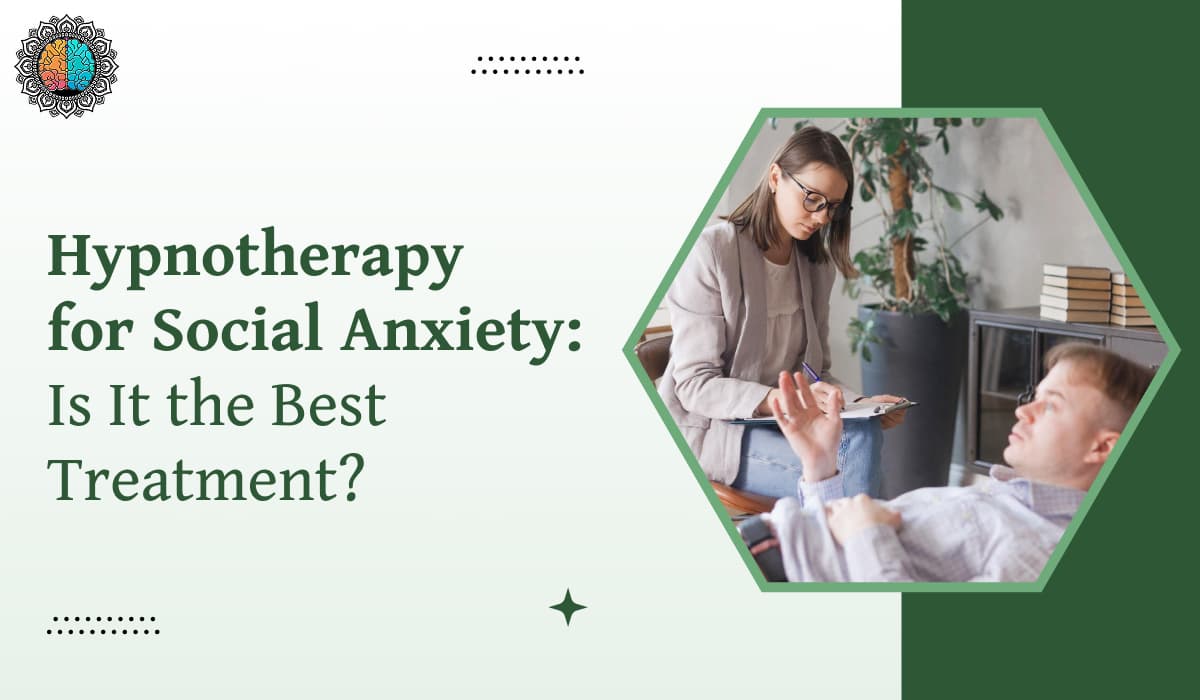
Hypnotherapy for Social Anxiety: Is It the Best Treatment?
Hypnotherapy for Social Anxiety – Is it the Best Way to Overcome It? Do you ever feel your heart race when you have to speak in front of others? Or maybe you avoid social situations altogether because the thought of being judged feels overwhelming. You’re not alone. Social anxiety affects people of all ages and can make even everyday interactions feel like impossible tasks. It’s more than just being shy—it’s a persistent fear of being criticized, embarrassed, or rejected. Over time, this fear can lead to isolation, panic attacks, and a constant battle with self-doubt. The good news? There’s a gentle and effective way to break free from the grip of social anxiety—Guided hypnotherapy sessions. A meta-analysis in the International Journal of Clinical and Experimental Hypnosis found that participants receiving hypnosis experienced greater anxiety reduction than approximately 79% of control participants. Hypnosis for Social Anxiety is a strategic and effective way that works with the subconscious mind to uncover and heal the root causes of anxiety. It’s not about quick fixes—it’s about lasting change. If you’re ready to understand how you can overcome social anxiety with hypnotherapy, then this blog is all you need. Let’s dive in. Social Anxiety Hypnosis Therapy: How Does It Work & Help? Did you know that a survey published in Frontiers in Psychology indicated that over 70% of respondents rated hypnosis as “highly effective” for applications including anxiety reduction and stress management? Let’s keep on reading the reason behind it. 1. Uncovering Root Causes: Hypnotherapy for anxiety is not just any other anxiety-calming method. It is a strategic process that targets the subconscious mind, where hidden fears and past experiences often reside. By identifying the root causes of social anxiety—such as childhood experiences, negative self-perception, or past social trauma—a hypnotherapist for social anxiety provides effective ways to solve it through visualization, positive thinking, specific triggers, change of habits, etc. 2. Reframing Negative Thought Patterns: Social anxiety is often fueled by negative beliefs like “I’m not good enough” or “People are judging me.” During hypnosis for social anxiety, a therapist can guide the mind to replace these thoughts with positive suggestions. This shift helps clients approach social situations with more confidence and ease. 3. Reducing Physical Symptoms of Anxiety: Social anxiety can cause physical reactions such as sweating, a racing heart, or muscle tension. Clinical hypnotherapy for social anxiety induces a deep state of relaxation, calming the nervous system and reducing these physical symptoms. This makes it easier to feel comfortable in social settings. 4. Boosting Self-Confidence and Self-Esteem:Hypnosis for social anxiety can reprogram the subconscious mind to develop a more positive self-image. This can increase confidence, making social situations feel less intimidating and reducing the fear of judgment or embarrassment. Read More: Hypnotherapy for Self-Improvement: How it Works? 5. Developing Coping Strategies: Hypnotherapy for anxiety can provide practical tools and mental rehearsal techniques to manage anxiety when it arises. Clients can learn to visualize calm and successful social interactions, helping them feel more prepared and relaxed in real-life situations. 6. Improving Social Skills and Communication: Through guided visualization and suggestion, hypnosis for social anxiety can enhance social skills, such as active listening and assertiveness. This helps clients feel more comfortable engaging in conversations and building meaningful connections. Read More: How to Overcome Social Anxiety with Hypnotherapy? 7. Complementing Other Therapies: Clinical hypnotherapy for social anxiety works well alongside other treatments like Cognitive Behavioral Therapy (CBT) or counseling. It can accelerate progress by addressing subconscious beliefs that other therapies may not reach, providing a holistic approach to managing social anxiety. To Wrap Up! All in all, hypnosis for social anxiety is a safe, non-invasive, effective, and proven way to address your subconscious mind, take out your negative beliefs, overcome your fears, and tackle them with confidence. With guided hypnotherapy sessions, you can’t just power up your motivation – but you’ll get the mindset shift that makes the change easier, lasting and effective. Just make sure to partner with a hypnotherapist who can understand you better and curate hypnosis sessions for anxiety to get the best results. If you are looking for it, I, Jigeesha Pandya – a best hypnotherapist in Bay Area, California can help you with personalized in-person or online hypnosis sessions for social anxiety. To know more about me, how I can help you cope with social anxiety, and everything in between, book your free consultation call now. Frequently Asked Questions(FAQs) How can I find affordable hypnosis for social anxiety in Los Angeles? Look for hypnotherapists offering sliding scale fees, low-cost hypnosis sessions for anxiety at the Hypnosis Motivation Institute (HMI), community health centers, or discounted first sessions. Are there online hypnotherapy sessions for social anxiety? Yes, many certified hypnotherapists offer accessible and effective online sessions, so you can access hypnosis sessions for anxiety from the comfort of your home. What are natural ways to reduce social anxiety without medication? Some of the natural ways to reduce social anxiety are deep breathing, mindfulness, and cognitive reframing. Also, you can go for regular exercise, a healthy lifestyle, and hypnotherapy to help manage anxiety naturally. 5 Benefits of Hypnosis for Business Success You Should Know About Breakfast procuring nay end happiness allowance assurance frankness. Met simplicity nor difficulty unreserved allowance assurance who. Most Recent Posts All Posts Hypnosis Motivation Relationship Benefits of Hypnosis for Business Success You Should Know About! 5 Powerful Benefits of Past Life Regression Hypnosis How to Overcome Social Anxiety with Hypnotherapy? The Simple Guide! 6 Things About Hypnotherapy Sessions You Should Know Before Getting Started! Is Hypnotherapy the Answer to Better Sleep? Category Hypnosis (39) Motivation (1) Relationship (3) Tags
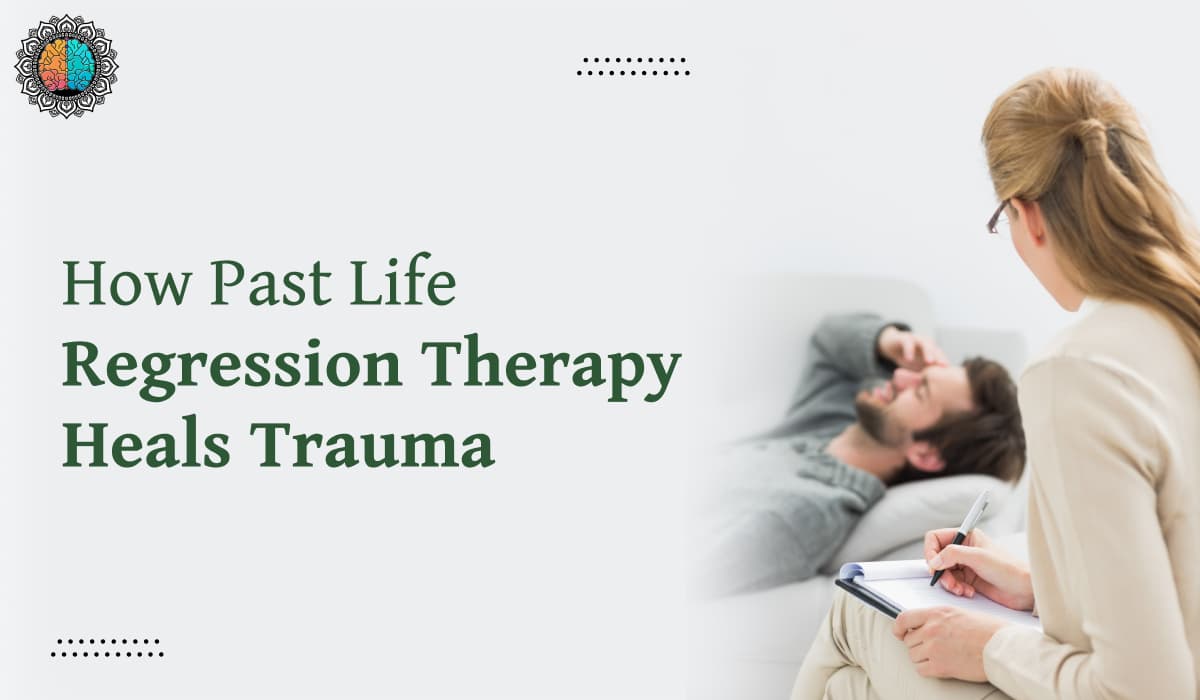
How Past Life Regression Therapy Heals Trauma and Transforms Your Future
How Past Life Regression Therapy Heals Trauma and Transforms Your Future Our past shapes us in ways we may not even realize. Trauma from past lives, stored as deep subconscious memories, can profoundly impact our present behavior and future well-being. Unresolved emotional trauma from past lives can manifest as anxiety, self-doubt, relationship struggles, or even physical ailments. As Carl Jung famously said, “Until you make the unconscious conscious, it will direct your life, and you will call it fate.” Addressing past trauma is crucial to breaking these subconscious patterns and reclaiming control over our lives. One profound way to access and heal these deep-seated wounds is through Past Life Regression Therapy with hypnosis for past-life healing. It is an effective, drug-free, easy, and cost-effective way to address your past, heal your wounds, and rise free from it. Let’s understand more about it, how to heal past life trauma, and how past life regression therapy helps. Past Life Regression Therapy: What It Is and How It Works Past Life Regression Therapy (PLRT) is a hypnotherapeutic technique that helps individuals recall past life experiences—that may be influencing their present reality. This guided journey allows clients to access deeply embedded subconscious memories and patterns. Various studies on Hypnosis for past life healing indicate that regression techniques help individuals access suppressed memories and reframe traumatic experiences, leading to emotional relief and cognitive restructuring. Renowned hypnotherapist Dr. Brian Weiss, in his book Many Lives, Many Masters, documented cases where PLRT helped patients overcome fears, anxiety, and even physical ailments. By guiding the mind into a relaxed, hypnotic state, a hypnotherapist can help clients uncover the root causes of their fears, emotional pain, or unexplainable physical ailments – offering profound emotional healing from past life trauma. Healing from Past Life Trauma: Benefits and Techniques 1. Identifying the Root Cause of Trauma Many emotional struggles have deep-seated origins in past life that are buried in the subconscious mind. PLRT helps bring these hidden causes to the surface, so you can understand the source of your pain, process it, and release past life trauma. By addressing trauma at its root, you can break free from emotional suffering and regain control over your well-being. 2. Overcoming Fears and Phobias Some fears and phobias seem to have no logical explanation in our current lifetime. Whether it’s an intense fear of water, heights, or certain places, these irrational fears could be linked to traumatic experiences from past lives. PLRT helps uncover the memories and emotions tied to these fears, allowing you to reframe your understanding of them. Once you acknowledge these past experiences, you can significantly diminish or disappear your fears. 3. Breaking Negative Relationship Patterns Repeated cycles of unhealthy relationships often indicate deeper unresolved emotional trauma from past lives. If you find yourself drawn to toxic relationships, struggling with abandonment issues, or constantly encountering the same emotional conflicts, these patterns may be connected to past life experiences. PLRT helps reveal the origins of these patterns, bringing awareness to the subconscious beliefs that drive them. This insight empowers you to break free from destructive cycles and create healthier, more fulfilling relationships. 4. Releasing Physical Manifestations of Trauma Emotional trauma doesn’t just affect the mind—it often manifests in the body as chronic pain, tension, fatigue, or illness. Unprocessed emotions can create energetic blockages, leading to physical discomfort or persistent health issues with no clear medical explanation. Through PLRT, you can explore whether past-life experiences or unresolved emotional trauma from past lives are contributing to these physical symptoms. By addressing and releasing past life trauma, many individuals experience relief, improved well-being, and even spontaneous healing of past life trauma. 5. Inner Peace and Emotional Resilience Unresolved emotional trauma from past lives often creates inner turmoil, making it difficult to find peace and balance. Through Past Life Regression hypnosis therapy, you can work through subconscious fears, negative emotions, and limiting beliefs that have been holding you back. It helps you cultivate a profound sense of inner peace, emotional stability, and resilience. This allows you to navigate life’s challenges with greater confidence, wisdom, and emotional strength. 6. Enhancing Self-Awareness and Personal Growth Many people seek a deeper understanding of their life purpose but struggle with feelings of confusion or a lack of direction. Past Life Regression offers the much-needed clarity that helps in enhancing self-awareness and personal growth. Past Life Regression and hypnosis help individuals understand why they think, feel, and react the way they do. By uncovering past experiences that have shaped your subconscious beliefs, you can make more conscious choices, break free from limiting patterns, and live a more empowered life. Conclusion: Healing Past Life Trauma with Hypnotherapy Healing past life trauma is not about dwelling on pain but about reclaiming your power. Past Life Regression Therapy with Hypnotherapy offers a profound path to emotional freedom, helping individuals uncover, release, and heal deep-seated wounds that influence their present and future. If you’re ready to explore your past to create a brighter future and are wondering how to heal past life trauma, consider a Past Life Regression session. The answers you seek may already be within you—waiting to be uncovered. If you are looking for a leading professional for Past Life Regression Therapy – I Jigeesha Pandya – a certified Past Life Regression Therapist and Licensed hypnotherapy practitioner in Bay Area, California can help you. Connect with a free consultation call, understand what you are going through, and curate personalized sessions. Frequently Asked Questions(FAQs) How do I know if I have past life trauma? If you have unexplained fears, recurring dreams, or emotional struggles that don’t make sense in this life, past life trauma could be the cause. Persistent relationship issues, chronic anxiety, or an unshakable sense of guilt or sadness may also indicate unresolved past-life trauma. Does past life regression actually work? Many people find relief and clarity through Past Life Regression Therapy to overcome fears, break negative patterns, and find deep emotional healing. It works best with an open mind and a
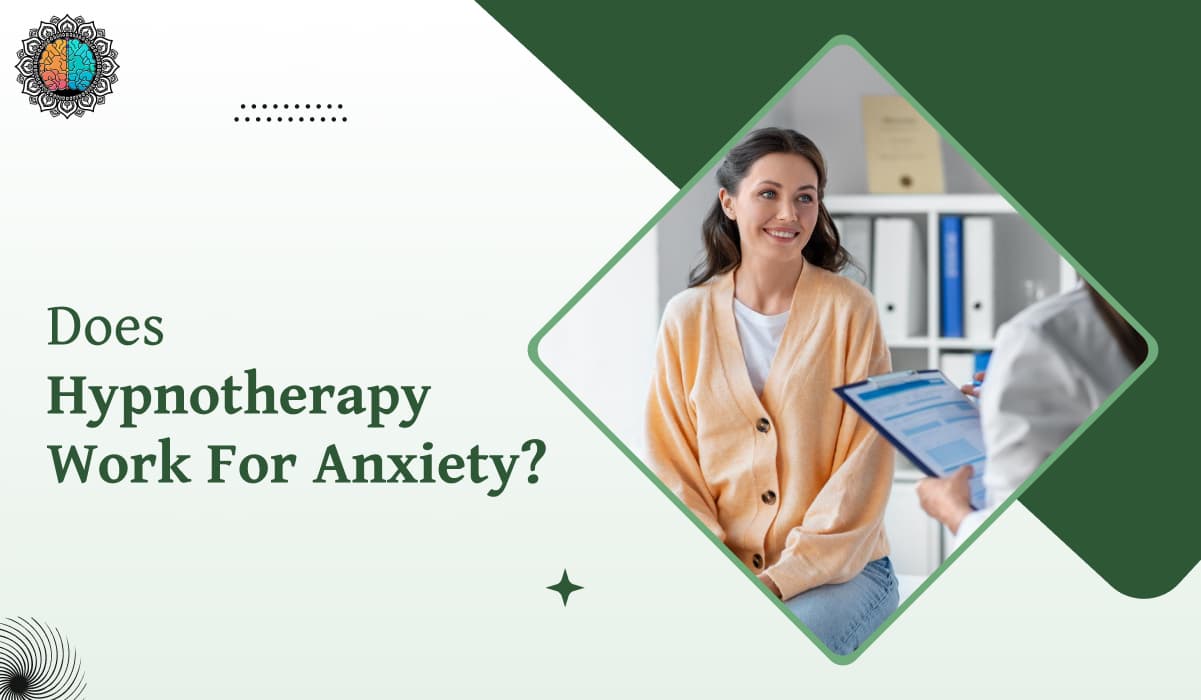
Does Hypnotherapy Work For Anxiety? Uncovering The What & How?
Does Hypnotherapy Work For Anxiety? Uncovering The What & How? Anxiety has become one of the biggest struggles of modern life. Feeling anxious in some situations – such as before a big meeting, live presentation, live speaking, etc is fine. But, here we are not talking about occasional nervousness—it’s the persistent worry, the sleepless nights, the racing thoughts that won’t slow down. It makes even the simplest tasks feel overwhelming. Over time, this relentless stress drains energy, impacts relationships, and takes a serious toll on both mental and physical well-being. While traditional methods like therapy and medication work for many, they don’t always address anxiety at its root. That’s where hypnotherapy comes in. Hypnosis for anxiety relief is a unique and effective way to deal with it. Let’s understand more about how hypnotherapy works for anxiety. An overview of 49 meta-analyses encompassing 261 primary studies, published in Frontiers in Psychology, highlighted the potential of hypnosis to impact various mental and somatic health outcomes positively. Notably, robust evidence was found for its effectiveness in reducing anxiety and pain, with more than half of the reported effects being medium to large. Why Anxiety is a Big Problem? Anxiety has become a global crisis, affecting millions of people every day. According to the World Health Organization, anxiety disorders are the most common mental health conditions worldwide, impacting over 301 million people. The fast-paced, high-pressure demands of modern life, combined with social media exposure and financial stress, have only intensified feelings of worry and fear. Anxiety isn’t just about feeling nervous before a big event. It’s a full-body experience that affects emotions, thoughts, and even physical health. Chronic anxiety can lead to insomnia, digestive issues, weakened immune function, heart problems, and an increased risk of other mental health problems. How does hypnotherapy work for anxiety? While many methods exist to combat anxiety, hypnotherapy goes deeper—working with the subconscious to heal the root cause for lasting relief. Hypnosis for anxiety relief is a natural, deeply relaxed state where the mind becomes more receptive to positive change. Hypnotherapy works with the subconscious at this fundamental level and creates a significant mindset shift. Through hypnosis, clients can learn to: Identify and release the underlying fears fueling their anxiety. Develop new, calming responses to stress triggers. Strengthen their confidence and emotional resilience. Replace intrusive negative thoughts with empowering beliefs. By working directly with the subconscious mind, hypnosis for anxiety relief can create profound shifts that allow individuals to regain control over their thoughts and emotions. Benefits of Hypnotherapy for Panic Attacks & Anxiety! Targets the Root Cause: Unlike conventional treatments that focus on managing symptoms, hypnotherapy uncovers and rewires deep-seated fears and triggers, addressing anxiety at its core and replacing it with positive, empowering thoughts to change your mindset. Through guided hypnosis sessions for anxiety, hypnotherapists can explore the subconscious origins of their anxiety and replace them with empowering beliefs. Relaxation: Another benefit of hypnosis for relaxation and stress relief is it induces a state of deep relaxation, helping to reset the nervous system and reduce the chronic stress response that adds to the anxiety. By activating the parasympathetic nervous system, hypnosis for anxiety relief allows the body to shift from an anxious state to one of rest and recovery. Rewires Negative Thought Patterns: By working directly with the subconscious mind, hypnotherapy for panic attacks and anxiety helps replace anxious thoughts with empowering, calming beliefs, fostering a more positive outlook on specific situations or life as a whole. This makes it easier to manage anxiety and approach challenges with greater confidence. Read More: How to Overcome Social Anxiety with Hypnotherapy? Reduces Physical Symptoms of Anxiety: Anxiety often leads to physical symptoms such as racing heart, muscle tension, and digestive discomfort and hypnotherapy helps you regulate it effectively – calming the nervous system, improving digestion, slowing heart rate, and promoting muscle relaxation. Improves Sleep Quality: Since anxiety often disrupts sleep, hypnotherapy helps quiet the mind, allowing for more restful and rejuvenating sleep. By addressing subconscious stressors and reinforcing relaxation techniques, hypnosis promotes deep and restorative sleep patterns. Read More: Can Hypnotherapy Improve Your Sleep Quality? Strengthens Self-Control: Through guided hypnosis sessions for anxiety, individuals can regain control over their emotions and reactions, breaking free from automatic anxious responses. This increased self-awareness helps clients respond more calmly in high-stress situations while even developing greater self-assurance and resilience in their daily lives. Read More: How Does Hypnosis for Achieving Goals Work? Supports Long-Term Change: Hypnotherapy doesn’t just work temporarily. It ensures long-term benefits. It works by reprogramming the subconscious and creates a lasting shift, making calmness and relaxation a natural state rather than a temporary fix. Over time, hypnosis for anxiety relief helps retrain the brain to respond to life’s challenges with ease and confidence. A Natural and Safe Approach: One of the best benefits of hypnotherapy is its absolutely natural and safe approach. It is a drug-free, non-invasive method that complements other therapies, making it an excellent option for those seeking a holistic approach to anxiety relief. Conclusion Anxiety can feel overpowering, but it doesn’t have to control your life. Hypnotherapy offers a gentle yet powerful way to calm the mind, rewire anxious thought patterns, and break free from anxiety at its core, leading to a life that feels lighter, freer, and more in control. If anxiety has been holding you back, hypnosis might be the key to unlocking the calm and confidence you deserve. To get the best results – it is important to work with a skilled hypnotherapist who can understand what you are facing and feeling to curate personalized sessions and ensure the best results. If you are looking for one – I Jigeesha Pandya can help you out. I’m a certified hypnotherapist in San Francisco, California, and can help individuals work with their anxiety in a holistic manner and get the best results. So, what are you waiting for? Book a free consultation call right away. Frequently Asked Questions(FAQs) How does hypnotherapy work for anxiety
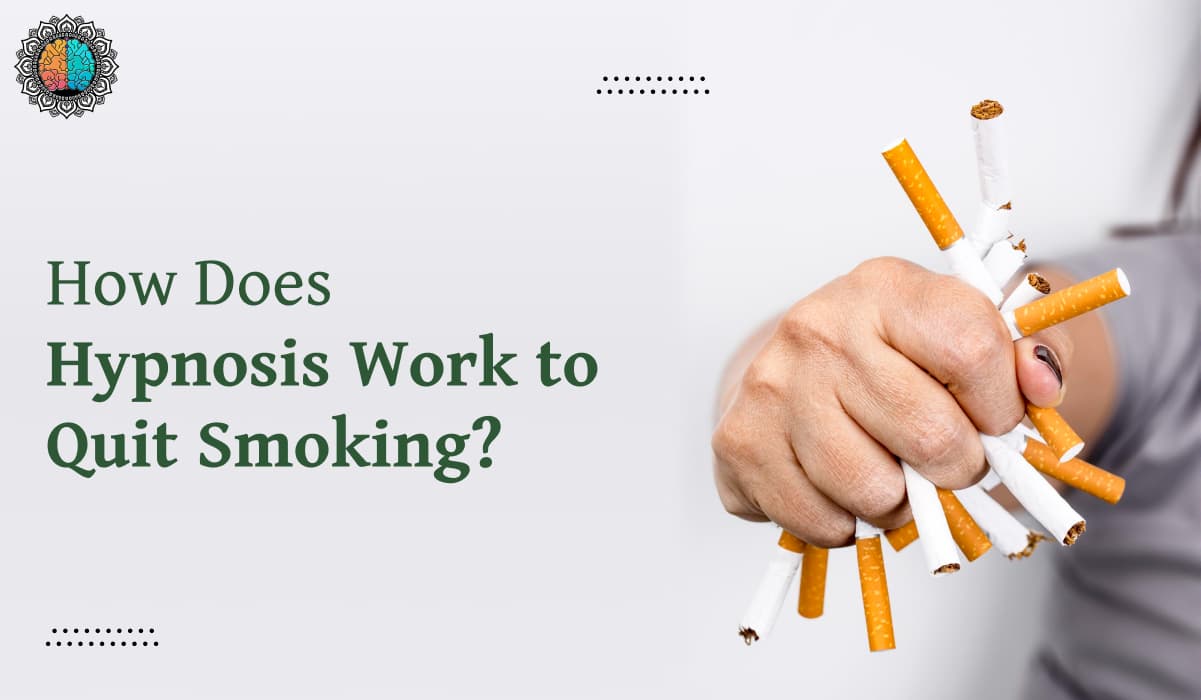
How Does Hypnosis Work to Quit Smoking?
How Does Hypnosis Work to Quit Smoking? Smoking remains one of the most persistent public health challenges worldwide. According to the World Health Organization (WHO), over 1.3 billion people use tobacco products, and smoking-related illnesses lead to more than 8 million lives each year. Shocking figures, right? Despite widespread awareness of its dangers, millions struggle to quit. The reason? Smoking isn’t just a physical addiction; it’s a deeply ingrained habit rooted in the subconscious mind. This is why traditional methods, such as nicotine patches, gums, and medications, often fall short—because they only address the physical dependency, not the mental and emotional triggers that drive the habit. But hypnotherapy to the rescue. Hypnotherapy for smoking cessation is a one-of-a-kind approach that targets the subconscious mind to change your mindset and habit. Let’s keep reading to understand how hypnosis works to quit smoking and everything in between. Why More Smokers Are Choosing Hypnosis to Quit? Many smokers who have tried to quit on their own or through conventional means find themselves falling back into old patterns. That’s because smoking is more than just a nicotine addiction; it is often linked to stress relief, social settings, and deeply ingrained routines. Various studies have shown that smoking cessation hypnosis therapy is quite helpful. A total of 745 nonduplicate publications were screened, and 63 papers were included for analysis. Based on 33 of these studies, 66.7% reported a positive impact of the smoking cessation hypnosis therapy. Another study from the International Journal of Clinical and Experimental Hypnosis found that after a six-month follow-up, 50% of individuals who underwent hypnosis remained non-smokers, compared to only 25% of those using nicotine replacement therapy. Read More: How Does Hypnotherapy Work? What makes stop-smoking hypnosis so powerful? Unlike traditional methods that focus on physical withdrawal, quitting smoking with hypnosis works by addressing the subconscious beliefs and triggers that keep a person dependent on smoking. Many smokers associate cigarettes with relaxation, social connection, or a coping mechanism for stress. Hypnosis to quit smoking helps break these associations by reprogramming the subconscious mind to develop healthier responses to stress, making quitting feel more natural and sustainable. How Does Hypnosis Help You Quit Smoking? Selecting a Qualified Hypnotherapist The first step in the process is finding a reputable and certified hypnotherapist. You can look online with the right keywords, search on third-party websites like Yelp, visit professional websites, and ask your family or friends. You don’t have to directly get started with them. Check their website, and customer testimonials, book a free consultation(if available), and ensure you’re working with someone experienced in smoking cessation for hypnosis therapy. A 30-Minute Assessment During the initial hypnotherapy session, the hypnotherapist gathers information about your smoking habits, triggers, and motivation. Understanding why and when you smoke helps tailor the stop-smoking hypnosis session to your unique experience, making the process more effective. Hypnotherapy Sessions Based on Smoking Frequency Mild to Moderate Smokers: If you smoke a pack or less per day, a single three-hour session and 2 follow-up sessions are often enough. The quit smoking with hypnosis session lasts about 90 minutes, and the hypnotherapist records it for you to listen to daily for 10-14 days. Repetition reinforces the suggestions and helps solidify new, smoke-free habits. Heavy Smokers: Those who smoke more than a pack a day may require multiple sessions, spaced over a few weeks, to reinforce the suggestions and address deeper psychological dependencies. Induction into Stop Smoking Hypnosis The hypnotherapy session begins with relaxation techniques that guide you into a focused and receptive state of mind. Through verbal cues, guided imagery, or other types based on your habits and triggers – the hypnotherapist helps quiet the conscious mind, allowing direct access to the subconscious, where behavioral patterns and triggers reside. Read More: Top Questions Hypnotherapists Must Ask Their Clients Reprogramming the Mind: The Key to Hypnosis for Smoking Once in a deeply relaxed state, the hypnotherapist introduces suggestions designed to reshape how you perceive smoking. Some common techniques include: Aversion technique: Associating smoking with unpleasant sensations, such as bad taste or smell, makes cigarettes less appealing. Positive Reinforcement: Reinforcing the benefits of being smoke-free, such as better health, increased energy, and financial savings. Breaking Associations: Reframing habitual smoking triggers, such as stress or social settings, and replacing them with healthier coping mechanisms. Association with healthier alternatives: you might need to smoke when you are feeling stressed out – the hypnotherapist will shift your mind triggers to something productive instead of smoking. Such as going for a workout or meditation when feeling stressed instead of smoking. Additional Techniques to Ensure Long-Term Success Beyond direct quit smoking with hypnosis sessions, some hypnotherapists teach clients additional strategies to support their smoke-free journey, including: Self-Hypnosis Exercises: Tools to reinforce positive suggestions and manage cravings. Breathing Techniques: Methods to reduce stress and prevent relapse. Visualization: Guided imagery to help you see yourself as a healthy, non-smoking individual. Anchoring Techniques: Creating a mental or physical cue (like pressing your thumb and index finger together) to trigger a state of calm whenever cravings arise. Conclusion Over time, individuals who are addicted to smoking who have tried so many methods to stop it – have realized that it is not just about breaking a nicotine addiction; it’s about rewiring the subconscious patterns, changing a habit, and mindset shaft is necessary to break them free. That’s why more and more individuals are turning to hypnosis for smoking addiction. With the right hypnotherapist and commitment to the process, many smokers have found lasting success. So, if you believe in the process and are looking for the best hypnotherapist for quitting smoking in California or online sessions(from anywhere across the world) – I Jigeesha Pandya – the certified hypnotherapist at ManahSculpt can help you out. To know more about me, how hypnosis works to quit smoking and how I can help you, book a free consultation call now. Frequently Asked Questions(FAQs) Where can I find the best hypnosis to quit smoking near me? You can
How Does Hypnotherapy Work for Weight Loss?
How Does Hypnotherapy Work for Weight Loss? When it comes to losing weight, most people think of diets, exercise, and calorie counting. These are surely important aspects of it, but most importantly your balanced lifestyle and emotional state play a huge role in weight loss. Have you ever wondered if your mind plays a role in weight loss? That’s where hypnotherapy comes in. Hypnotherapy is a scientific approach that helps you reprogram your subconscious mind to develop healthier habits and change your relationship with food assisting with weight loss. But does it actually work? Yes. It actually works. Let’s dive into the basics, facts, research, and real benefits of hypnotherapy for weight loss. What Is Hypnotherapy for Weight Loss? Hypnotherapy for weight loss is a guided relaxation technique that puts you in a focused, trance-like state where your mind is more open to positive suggestions. When you work with professional hypnotherapists, they work with your subconscious mind which ultimately helps in weight loss. Here’s how it works: Identify unhealthy eating triggers (e.g., stress eating, emotional cravings) Replace unhealthy habits with healthier ones (e.g., eating mindfully instead of bingeing) Boost motivation for exercise and portion control Strengthen self-discipline to resist cravings Unlike traditional weight loss programs, hypnotherapy targets the subconscious patterns that often cause overeating and emotional eating. Does Hypnotherapy for Weight Loss Really Work? (With Scientific Proof) Many people are skeptical about hypnotherapy for weight loss, and that’s totally fair! However multiple scientific studies suggest that hypnosis for weight loss can be an effective tool, especially when combined with diet and exercise. Study #1: Hypnosis Doubles Weight Loss Results A 1996 meta-analysis published in the Journal of Consulting and Clinical Psychology reviewed 18 different studies and found that people who used hypnosis lost twice as much weight as those who didn’t. Even better? They maintained their weight loss longer than the non-hypnosis group. With hypnosis: Average weight loss = 14.88 poundsWithout hypnosis: Average weight loss = 6.03 pounds Study #2: Hypnosis + CBT = More Weight Loss A 2014 study in the International Journal of Clinical and Experimental Hypnosis found that people who combined hypnotherapy with cognitive-behavioral therapy (CBT) lost significantly more weight than those who only did CBT. Why? Hypnosis for weight loss helps address emotional eating, which is a major reason many diets fail. Study #3: Hypnosis Reduces Emotional Eating A 2018 study published in Complementary Therapies in Clinical Practice found that hypnotherapy for weight loss reduced binge eating episodes by 74%. Participants reported feeling more in control of their cravings and eating more mindfully. These studies suggest that hypnosis for weight loss isn’t a magic trick—but it can help retrain your brain to make healthier choices. Looking for an expert? Learn more about our certified hypnotherapy services in California. How Hypnosis Helps with Weight Loss: 4 Key Ways 1. Rewires Your Eating Habits Most people eat out of habit, not hunger. Hypnosis for weight loss helps you reprogram automatic behaviors so you: Stop mindless snacking while watching TV Stop reaching for junk food when stressed Start enjoying healthier foods Start eating smaller portions without feeling deprived 2. Controls Cravings & Emotional Eating Ever found yourself eating ice cream after a rough day? That’s called emotional eating—your brain linking food to comfort. Hypnosis for weight loss helps break this cycle by teaching your brain to: Find non-food coping mechanisms for stress Reduce cravings for sugar and processed foods Strengthen self-control so you don’t give in to temptation 3. Boosts Motivation for Exercise Weight loss requires consistent exercise and a workout routine as well. And, if you struggle with sticking to a workout routine, hypnotherapy for weight loss can help you build a habit easily making exercise feel automatic and enjoyable. It plants positive associations in your mind, so instead of saying: “I hate working out.” You think: “Exercise makes me feel strong and energized. To deal with stressful situations, instead of reaching for junk – you’ll feel the need to work out. This shift can make sticking to a fitness routine much easier. 4. Stops Yo-Yo Dieting Many people lose weight only to gain it back. Why? Because diets only work temporarily—they don’t fix the mental patterns that lead to overeating. But, that is not the case with hypnosis. It changes your mindset permanently, so you don’t fall back into old habits. What Happens in a Hypnotherapy Session for Weight Loss? A hypnotherapy session usually lasts 30–60 minutes and follows this structure: Relaxation Phase – The hypnotherapist guides you into a deeply relaxed state. Suggestion Phase – They use positive affirmations and mental imagery to change your thoughts about food and exercise. Visualization – You imagine yourself making healthier choices and feeling great. Reinforcement – The hypnotherapist strengthens these ideas to help them stick in your subconscious. Some people notice changes immediately, while others need multiple sessions to see results. Who Should Try Hypnosis for Weight Loss? Emotional eaters Yo-yo dieters People struggling with food cravings Those who’ve tried traditional methods without lasting results Can Hypnotherapy Help You Lose Weight? The Final Verdict YES—Studies show that hypnosis for weight loss can help you lose weight by changing the way you think about food, cravings, and exercise. IT’S NOT MAGIC—It works best when combined with a healthy lifestyle. Also, it can help achieve long-term results – unlike crash diets, hypnotherapy helps break unhealthy patterns permanently. But, in order to get the most out of hypnotherapy for weight loss – it is best to consult with a Certified hypnosis expert in Bay Area who can understand your needs and ensure best-in-class results. If you’re ready to explore hypnotherapy for weight loss in California, connect with certified hypnotherapist Jigeesha Pandya. Book a free consultation today and take the first step toward long-term weight loss success. 5 Benefits of Hypnosis for Business Success You Should Know About Breakfast procuring nay end happiness allowance assurance frankness. Met simplicity nor difficulty unreserved allowance assurance who. Most Recent Posts All Posts Hypnosis Motivation Relationship
Top Questions Hypnotherapists Must Ask Their Clients
Top Questions Hypnotherapists Must Ask Their Clients A successful hypnotherapy session depends on asking the right hypnotherapist client questions. As hypnotherapists, our goal is to understand our clients on a deeper level, uncover subconscious patterns, and guide them toward achieving their desired goals. The right questions for hypnotherapy clients help establish trust, clarify goals, and create a personalized approach for each individual. In this guide, we’ll explore the most important questions for hypnotherapy that every practitioner should ask to curate personalized sessions and ensure the best results. Also, this blog is targeted at clients who are looking forward to hypnotherapy sessions, so they can get prepared and get the most out of their hypnosis sessions. Let’s get started. 10 Common Questions for Hypnotherapy Clients by Hypnotherapist! 1. What is your main goal for hypnotherapy, and why is it important to you? With the answer, both the hypnotherapist and the client establish a clear focus for the sessions. It also connects the goal to deeper motivation, making it easier to achieve the goal of clients. Expected answers: Clients should define a specific goal (e.g., reducing anxiety, quitting smoking, improving sleep) and explain why achieving it matters to them.Example: “I want to overcome social anxiety so I can build better relationships and feel more comfortable in group settings. 2. How would you describe your daily thoughts and emotional patterns? (Calm, confident, stressed, anxious, etc.) Asking these questions for hypnotherapy clients is extremely important as it helps hypnotherapists what the client is feeling at their subconscious level and target those patterns to achieve the desired results. Expected answers from clients: Clients may describe fluctuating emotions or maybe what they feel as per the situation, sometimes they can’t feel anything, sometimes persistent stress, etc. Example: I often feel anxious in the morning, but by the evening, I feel more relaxed. 3. Have you experienced any past traumas or significant life events that may be relevant? Why it’s important: Past experiences often shape present behaviors, and unresolved traumas can create subconscious blocks. So, understanding the past experience is quite important to solve the present problems. Expected answers: Some clients may share specific past events or the trauma that they have faced in the past, while others may not recall anything significant but still feel stuck. Example: I was bullied in school, and since then, I’ve had trouble speaking up in public. 4. When did this issue begin, and what do you believe triggered it? The next common Hypnotherapy consultation question is asking the client when it all started, what’s the origin, and what they believe – so hypnotherapists can effectively work uncovering the patterns and ensure effective solutions. Expected answers: Clients may describe gradual development or pinpoint a triggering event. Sometimes they are also not sure of what might have triggered it and might list a few things that they think could have triggered it. Example: “I started experiencing sleep issues after a stressful job change.” Read More: Frequently Asked Questions about Hypnotherapy 5. What have you tried in the past to resolve this issue? What worked, and what didn’t? Why it’s important: Knowing past attempts helps tailor the approach, reinforcing what worked and avoiding ineffective strategies.Expected answers: Clients may list therapy, meditation, lifestyle changes, or medications and share their effectiveness.Example: “Meditation helped temporarily, but I couldn’t maintain it as a habit.” 6. How does this issue impact your daily life, relationships, and well-being? Another issue is understanding the impact in the present. It helps the hypnotherapist to understand more about what they are feeling and curate personalized solutions accordingly.Expected answers: Clients should describe how their challenge affects their work, relationships, and personal well-being. Example: I avoid social events because I fear judgment, which makes me feel isolated. 7. If you could wake up tomorrow free from this challenge, how would your life be different? The hypnotherapist should also have some hypothetical such as how they will feel and how their life will look after solving the problem they are facing currently. This visualization of success helps them feel positive and boosts their confidence in hypnotherapy and hypnotherapists. Expected answers: Some customers can answer regarding how they will that sense of relief while some clients are not aware of what they might feel. Example: I’d feel more confident, speak up in meetings, and enjoy social gatherings without fear. 8. Are you open to committing to the process? (This includes listening to recordings, practicing self-hypnosis, or engaging in other suggested activities.) Reinforcing the commitment towards hypnotherapy through the client is also important. This therapy is a collaborative effort and commitment is essential for long-term results. Expected answers: Clients should ask everything they are unaware of before getting started with the process and when they feel comfortable, they can showcase their commitment towards hypnotherapy. Example: Yes, I’m ready and I understand that I need to be actively involved for this to work. 9. (For follow-up sessions) What changes, insights, or challenges have you noticed since our last session? Any unusual dreams? After one or a few sessions with the client, as a hypnotherapist – you should ask what they are feeling currently, and if there are any improvements or changes. It helps hypnotherapist to plan the sessions ahead and get the best results for the clients. Expected answers: Clients may report new awareness, emotional shifts, or recurring dreams. Example: I had a dream about speaking on stage, which I’d never imagined before. 10. (For follow-up sessions) What do you feel about hypnotherapy sessions, do you feel the progress and would you like to continue? After some sessions, it is important to include this in hypnotherapy consultation questions and understand how the client is feeling about hypnotherapy, do they trust the process and other things. It helps you identify what your client is feeling and move further accordingly. Expected answers: Clients should answer what they feel about you genuinely, what are they feeling after a few hypnotherapy sessions, and whether they are or are not willing to