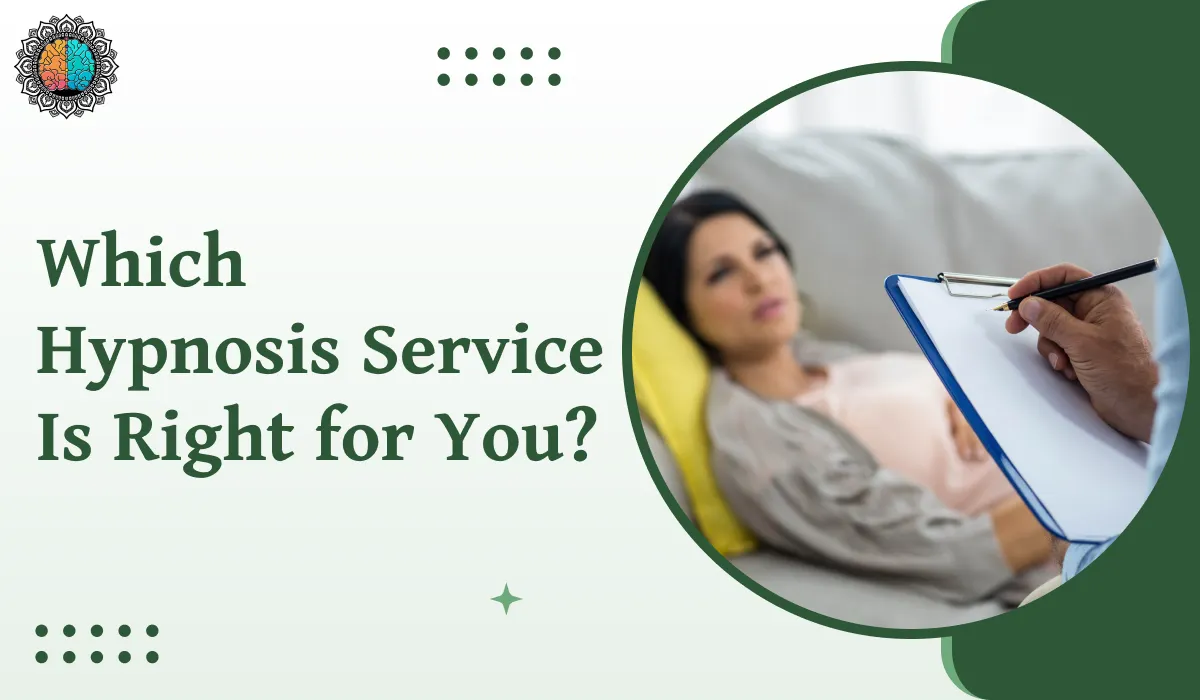
Which Hypnosis Service Is Right for You? A Guide From the Hypnosis Service Expert Bay Area! Hypnotherapy can mean something different for everyone: relief, clarity, confidence, healing, or simply a quieter mind. That’s why one of the most common questions I hear from people in the Bay Area is, What kind of hypnosis session do I actually need? And honestly, the answer depends on the person sitting in front of me. In my work as a certified hypnotherapist in the Bay Area, I’ve learned that real change begins with choosing an approach that feels personal and aligned. Some clients need a gentle reset. Others want deeper emotional balance or support with long-standing patterns. And that’s where personalized hypnosis solutions come in, crafted around who you are and what you’re ready for. If you’ve been curious about how hypnosis can help you feel more grounded, focused, or emotionally steady, this guide will help you explore the options and understand what might be the right fit for your journey. Highlights Hypnotherapy supports many needs, and you can find the right hypnosis type by identifying their main issue, and can match their needs with the right services accordingly. The Bay Area offers multiple options, including guided hypnosis sessions, hypnotherapy programs, and personalized, one-on-one approaches for emotional balance, focus, and life improvement. Working with a certified hypnotherapist in the Bay Area helps ensure safe, effective, and aligned support through professional hypnosis services tailored to personal goals. How to Find Out Which Type of Hypnosis Service Is Right for You? Pinpoint the main issue you want to work on. Every type of hypnotherapy is designed for a specific outcome. Take a moment to ask yourself what you want your life to feel like. Do you want less stress, more clarity, emotional balance, or stronger confidence? Your intention acts as a guide and helps narrow down the right hypnosis service in the Bay Area. Understand what level of support you’re seeking. Different hypnosis services offer different levels of depth. If you want something calming and straightforward, choose guided hypnosis sessions. If you want to work on deeper emotional patterns, choose mind and body hypnosis therapy. If you want long-term, goal-oriented support, a structured hypnotherapy program may be the right type for you. Decide whether you prefer a personalized approach. If you’re someone whose challenges feel layered or complex, personalized hypnosis solutions or custom hypnosis sessions may be more effective than general or pre-designed sessions. These match the type of hypnosis to your habits, triggers, and goals. A recent review found that when hypnotic suggestions are customized to a person’s needs (i.e, intentions, beliefs, mindset), hypnosis can meaningfully alter cognition, perception, behavior, and sense of agency. Choose based on the setting that feels most supportive. Some people prefer structured programs, while others want private, flexible support through individualized hypnotherapy plans in the Bay Area. If you value direct guidance and tailored work, look for one-on-one hypnosis consultations. Let your readiness guide your choice. If you’re new to hypnotherapy, starting with light or relaxation-based sessions can help. If you’ve been holding onto deeper emotional blocks, a more comprehensive type of hypnotherapy may be the right choice. Which Hypnosis Service Is Right for You? Personalized Solutions for Bay Area Clients with Jigeesha! I never start by choosing a service; I start by understanding what your mind and body are asking for right now. So we can choose the right hypnosis service in the Bay Area instead of guessing what might work. Many clients come in unsure of what they need, and that’s completely normal. That’s why I offer one-on-one hypnosis consultations in the Bay Area to help us uncover your next step. Some clients benefit most from guided hypnosis sessions for calm and clarity, while others need targeted support like hypnosis for stress relief or hypnosis treatment for anxiety. Real transformation happens through personalized hypnosis solutions, because your emotional patterns, triggers, and goals are uniquely yours. In a fast-paced place like the Bay Area, professional hypnotherapy works best when it’s custom-designed, rather than a generic approach that overlooks your deeper needs. Once we identify your intention, whether it’s emotional balance, focus, confidence, or healing, we create individualized hypnotherapy plans in the Bay Area that align naturally with your life. My role as a hypnosis expert is to help you choose the service that supports your mind and body, so you receive the most effective custom hypnosis sessions for lasting change. Frequently Asked Questions(FAQs) What types of hypnosis services are available in the Bay Area? You can find hypnosis for stress relief, hypnosis treatment for anxiety, guided relaxation sessions, confidence-building hypnotherapy, and mind and body hypnosis therapy across the Bay Area. Are hypnosis sessions customized for each client? Yes, most practitioners offer personalized hypnosis solutions and custom hypnosis sessions based on your goals and emotional needs. How many hypnosis sessions will I need to see results? Results vary, but many people notice changes within a few one-on-one hypnosis consultations or after beginning an individualized hypnotherapy program. Is hypnosis suitable for everyone? Hypnosis is safe for most people, especially when guided by a certified hypnotherapist in the Bay Area, but individual readiness and comfort level matter. Is hypnosis the same as sleep? No. Hypnosis is a relaxed, focused state where your mind stays aware and responsive, very different from sleep. To Conclude Finding the right type of hypnosis service isn’t about choosing the most popular option; it’s about choosing the one that fits you. When you understand what your mind and body need, whether it’s stress relief, emotional balance, clarity, or a deeper sense of confidence, the path becomes much clearer. Hypnotherapy works best when it feels aligned, supportive, and personal, and the Bay Area offers a wide range of options to help you create that shift. Trust what feels right, stay open to the process, and let your intention guide you toward the service that truly supports your growth. If you’re ready to explore what hypnotherapy can do for
Past Life Regression vs Traditional Therapy: Simplifying the Differences!
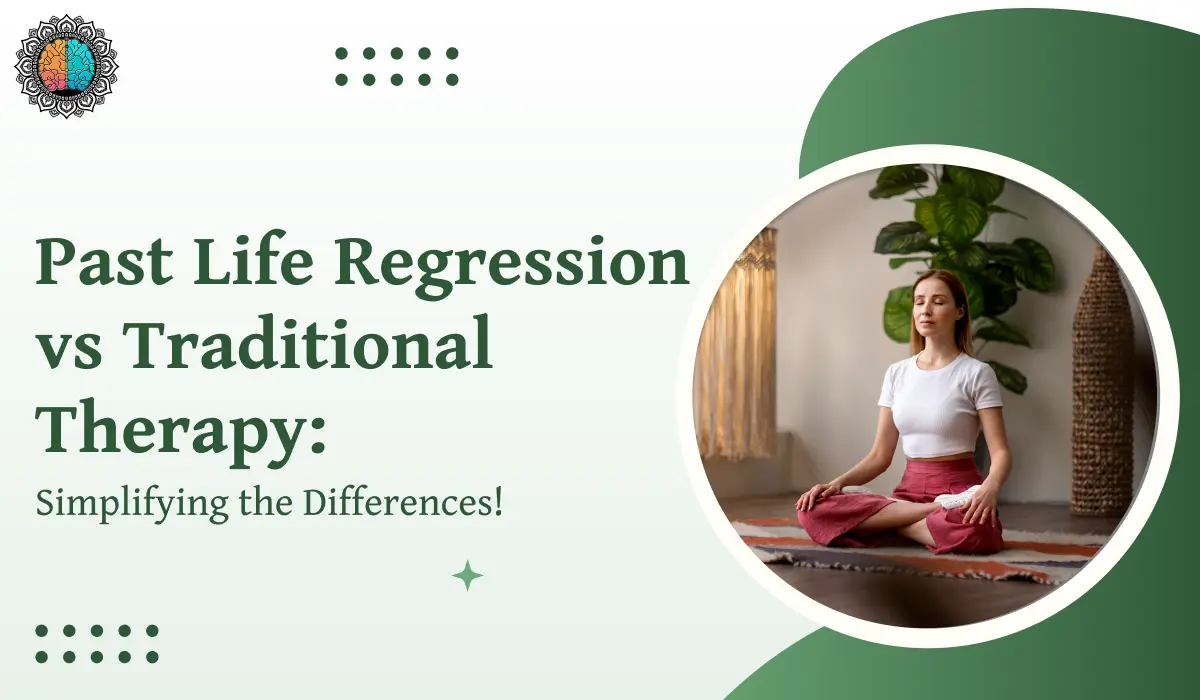
Past Life Regression vs Traditional Therapy: Simplifying the Differences! Most of us reach a point where we start questioning our own patterns. Why do I react like this? Why does this fear feel so strong? Why does the same situation keep happening, no matter how much I try to change? Traditional therapy can definitely help us talk through these questions and give a clearer understanding of what’s happening in our present life. But sometimes, even after talking, journaling, and reflecting, there’s still a feeling that something deeper is going on. That’s when some people start exploring Past Life Regression to understand themselves on a deeper level. When we look at Past Life Regression vs Traditional Therapy, it’s not about which one is better. It’s about recognizing that different people need different approaches to healing. This blog is for anyone who’s ever felt stuck, curious, or just open to understanding themselves in a new way, real, honest, and judgment-free. Let’s walk through both paths and see how each one helps in its own way. Among U.S. adults with AMI (Any Mental Illness), just over 50.6 % received mental health treatment in the past year. Key Insight: Past Life Regression is a guided process where you relax deeply and explore memories or images that feel connected to another lifetime. Traditional therapy is a structured, talk-based approach where you work with a trained mental health professional to understand your thoughts, emotions, and behaviors. Traditional therapy stays grounded in your present life, while Past Life Regression Therapy goes deeper into your previous lifetime. What is Past Life Regression? Past Life Regression is a guided process where you relax deeply and explore memories or images that feel connected to another lifetime. A trained therapist uses gentle hypnosis to help you focus inward, quiet your mind, and access your subconscious more clearly. Many people seeking Past Life Regression in San Francisco Bay Area look for this deep, introspective approach when traditional talk therapy no longer feels enough. Past life regression accesses deep layers of the psyche, bringing forth vivid memories, emotions, and insights that can shed light on current life challenges. — From a summary of The Past Life Perspective People try past-life regression when certain fears, reactions, or patterns don’t match their current life experiences. In this relaxed state, you might see scenes, feel emotions, or gain insights that help you understand where those patterns come from. Some people view it as a spiritual experience. Others see it as a way for the subconscious mind to express old emotions and unresolved stories. Either way, the goal stays the same: to understand yourself better and release what no longer serves you. What Is Traditional Therapy? Traditional therapy is a structured, talk-based approach where you work with a trained mental health professional to understand your thoughts, emotions, and behaviors. You talk about your life, your patterns, and the challenges you’re facing right now, and your therapist helps you make sense of them. Different therapists use different methods, like cognitive-behavioral techniques, mindfulness, psychoanalysis, or solution-focused work, but the goal stays the same: to help you feel better, think more clearly, and navigate your life with more awareness. It focuses on your current life, your childhood, your relationships, your habits, and the experiences that shaped you. Past Life Regression, on the other hand, instead of staying within your present story, looks at deeper, symbolic layers that might influence your patterns today. Past Life Regression vs Traditional Therapy: How They Really Differ When we look at Past Life Regression vs Traditional Therapy, we’re really looking at two very different ways of understanding why we feel, think, or react the way we do. Traditional therapy stays grounded in your present life, while Past Life Regression Therapy goes deeper into your previous lifetime. Let’s keep reading to know more about the Traditional Therapy vs. Past Life Regression. What We’re Looking At Past Life Regression Traditional Therapy What it focuses on It explores memories or feelings that seem bigger than this lifetime. It looks at what’s happening in your life right now and what shaped you growing up. How the session feels You lie back, relax deeply, and go into a guided hypnotic state. You sit and talk openly with your therapist in a normal, awake state. What you explore Intuitive images, emotional patterns, or past-life stories that show up in the subconscious. Thoughts, emotions, habits, and life experiences you can remember clearly. What is the goal? To release old emotional weight, understand deeper patterns, and connect spiritually. To understand your emotions, learn coping tools, and create healthier behaviors. How insights show up Through symbolic or vivid experiences that may feel new or meaningful. Through conversations, reflections, and practical strategies. Who usually chooses it Someone who feels stuck, curious, or drawn to spiritual or subconscious exploration. Someone looking for clarity, support, and tools to handle everyday challenges. How long does it last? Often done in a few focused sessions. Can be short-term or long-term, depending on your needs. Science behind it More based on personal experience and spiritual understanding. Backed by research and widely used in mental health care. To Wrap! When you reach this point in your healing journey, the real question isn’t Which method is better? But what feels right for me right now? Some days you may need the steady clarity that traditional therapy brings. Other days, you may feel called to look a little deeper to explore the emotional layers your conscious mind doesn’t always reach. That’s where Past Life Regression can offer something different. Not dramatic, not mystical, just another way of understanding why certain feelings or patterns feel so old and familiar. If you’re curious about this kind of deeper work, you can connect with me, Jigeesha Pandya, a certified hypnotist near San Francisco Bay Area, and I can help you explore these layers. It’s never about forcing a belief; it’s about giving your mind one more doorway to healing. In the end, the best path
The Science Behind Gut Health and Mental Health: Is it Really Possible?
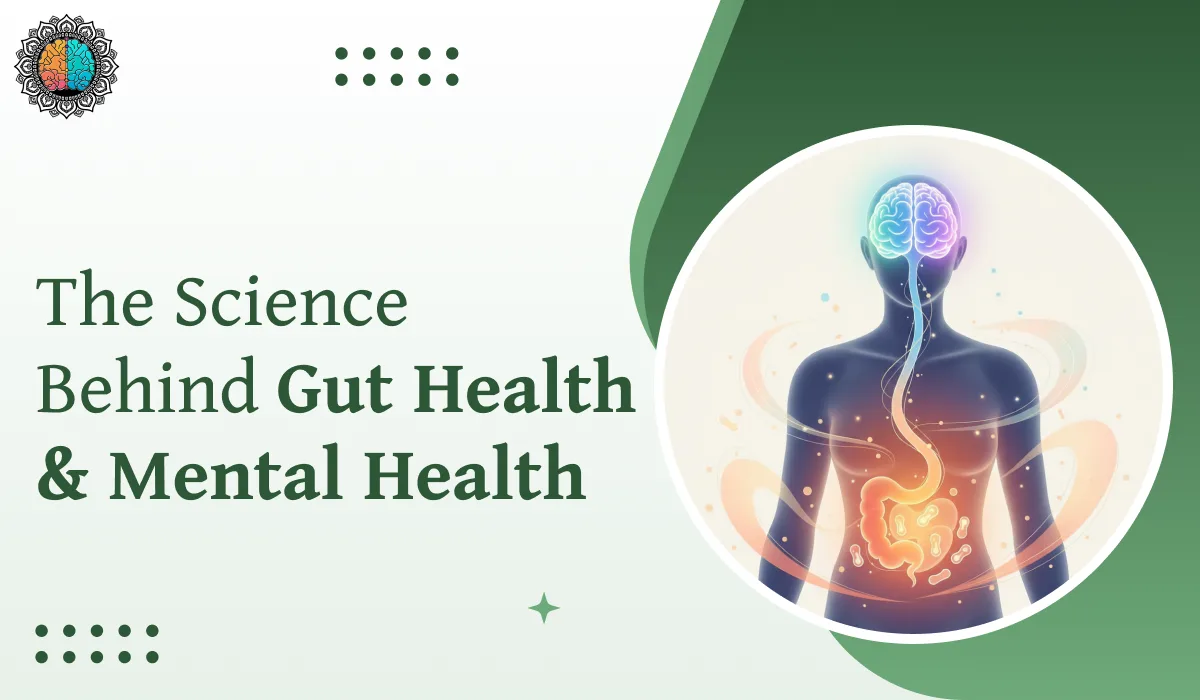
The Science Behind Gut Health and Mental Health: Is it Really Possible? Have you ever had a gut feeling about something, that uneasy twist in your stomach before an important meeting, or the butterflies that flutter when you’re nervous or excited? We often think of these sensations as emotional quirks, but science says your gut and brain are constantly talking. And when stress enters the chat, that conversation can turn chaotic, causing gut inflammation, poor digestion, and changes in your gut microbiome. In turn, these changes affect your mental health, often leading to anxiety, mood swings, or fatigue. “When Your Gut Talks, Your Brain Listens!” Around 90% of the body’s serotonin (the feel-good hormone) is produced in the gut by enterochromaffin cells in the digestive tract; an unhealthy digestive system can directly impact how you feel. The good news? Healing your gut can heal your mind. A gut-friendly diet, probiotics for mental health, and simple stress-management practices can strengthen the gut-brain connection, improve mood, and restore calm from the inside out. Key Highlights The blog explains how the gut-brain connection links digestion, mood, stress, and emotional balance. Poor digestion, low serotonin, and an imbalanced gut microbiome can contribute to anxiety, mood swings, and mental fatigue. On the other hand, stress weakens the vagus nerve, disrupts healthy gut bacteria, and creates a cycle between stress and digestive issues. Healing the gut through probiotics, fiber-rich foods, hydration, sleep, and reducing inflammation supports better mental health. Mind-body practices and hypnotherapy help calm the nervous system and improve the gut-brain link. How to Heal Your Gut for Better Mental Health & Vice Versa? Your gut and brain are constantly talking, and when one feels off, the other usually does too. The good news is that you can heal both by taking small, mindful steps that strengthen the gut-brain connection and ease stress from within. Here’s how to nurture your gut health for better mood and emotional balance: Feed your gut microbiome. The community of bacteria in your gut, known as the gut microbiome, plays a big role in how you feel. When balanced, these healthy bacteria support digestion, immunity, and mental wellness. Add probiotics for mental health (like yogurt, kefir, kimchi, and sauerkraut) and prebiotics (from oats, bananas, onions, and legumes) to help them thrive. Focus on a gut-healing diet. Eat whole, unprocessed foods that calm inflammation and boost serotonin production. Fiber-rich fruits, vegetables, leafy greens, nuts, and seeds keep the gut lining strong and protect against leaky gut and mental illness links. Omega-3 fatty acids from fish and flaxseeds also support brain-gut communication. Hydrate and move. Simple but powerful, drinking enough water and staying active improve digestion and circulation, helping your vagus nerve function properly. The vagus nerve and gut-brain link are vital for mood stability and stress recovery. Reduce gut inflammation and stress triggers. Limit processed foods, refined sugars, caffeine, and alcohol, all of which increase gut inflammation and stress. Choose anti-inflammatory foods like turmeric, berries, and olive oil to support both inflammation and immunity. Sleep and restore. Your digestive system heals while you rest. Lack of sleep raises stress hormones and disturbs your gut flora, affecting emotional regulation and cognitive function. Aim for 7–8 hours of restful sleep to maintain a balanced mind-body connection. Relax your mind, and your gut will follow. Chronic stress can silence the vagus nerve, disrupt serotonin and gut health, and trigger digestive problems. Practices like meditation, mindfulness, or gut-directed hypnotherapy help retrain your body’s response to stress. Through hypnosis, when you connect with a certified hypnotherapist for Hypnotherapy Services in the Bay Area, like Jigeesha Pandya, she can calm the subconscious, reduce anxiety, and restore balance in the gut-brain connection naturally. Support with supplements (if needed). Sometimes, prebiotics and probiotics or supplements like magnesium and L-glutamine can help repair the gut lining and improve emotional well-being. Always consult a healthcare professional before adding new supplements. Listen to your gut. Bloating, fatigue, or mood swings are your body’s way of communicating. These may be early signs your gut health is affecting your mental health, a reminder to slow down, breathe, and nourish both your digestion and your emotions. When your gut-mind connection is supported with love, food, and mindfulness, your mood lifts, your thoughts are clear, and your stress softens. Healing truly begins in the gut and flows all the way to your brain. Final Thoughts The gut and brain are in constant conversation, and that dialogue shapes how we feel, think, and live. When stress disrupts that balance, both emotional and physical well-being can be affected. But by taking simple steps like eating mindfully, managing stress, and nurturing your gut health, it’s possible to restore harmony within. Sometimes, healing starts with awareness, tuning in to what your body is trying to say. For many, hypnotherapy offers a gentle way to quiet the mind, ease tension, and support natural balance in the gut-brain connection. If you’re ready to explore connection deeply and improve your gut and mental health, then I, Jigeesha Pandya, a certified hypnotherapist in California, can help clients with hypnotherapy services in the Bay Area. Healing your gut isn’t just about digestion; it’s about finding peace, balance, and clarity, from the inside out. To know more, book your free consultation call right away. Frequently Asked Questions(FAQs) Does poor digestion cause anxiety? Yes. Poor digestion can affect your gut-brain connection and lead to anxiety. When your gut bacteria are imbalanced, it can lower serotonin production, which affects your mood and stress levels. How does stress affect your gut microbiome? Stress changes your gut microbiome by reducing healthy bacteria and increasing gut inflammation. This can cause digestive issues and mood changes. What role does the vagus nerve play in gut-brain health? The vagus nerve connects your brain and gut. It helps control digestion, mood, and relaxation. When stress is high, the vagus nerve weakens, affecting both gut health and mental health. Can probiotics help with mood and focus? Yes. Probiotics improve brain-gut communication and help create
How to Choose the Right Hypnotherapist in San Francisco: A Local’s Guide
How to Choose the Right Hypnotherapist in San Francisco: A Local’s Guide If you live in San Francisco, you know how fast this city moves. Between tight deadlines, constant tech buzz, and never-ending to-do lists, it’s easy to lose your sense of balance. That’s probably why so many people here are turning to hypnotherapy to quiet the noise and reconnect with themselves. But let’s be honest: finding the right hypnotherapist in San Francisco isn’t as simple as typing best hypnosis services near me and getting the right one. The Bay Area is full of options, from clinical setups to cozy holistic studios offering Mindful Hypnotherapy and hypnosis for anxiety or sleep. So how do you know who’s actually qualified, and who just sounds convincing online? That’s what this guide is for. We’ll walk through what really matters when choosing a certified hypnotherapist in SF, how to tell if their style fits your goals, and where to find affordable and trusted hypnotherapy services in San Francisco without compromising on quality. Let’s get into it. Key Insight Choosing the right hypnotherapist in San Francisco starts with clarity and finding someone whose approach aligns with your comfort and needs. A certified hypnotherapist in SF combines skill, empathy, and experience to address issues through safe, evidence-based Mindful Hypnotherapy. Whether you seek affordable hypnotherapy services in San Francisco or prefer Online Hypnosis Bay Area sessions, the right professional will help you. 9 Steps to Know Before Choosing a Hypnotherapist in San Francisco Step 1 — Get crystal clear on your goal Before you start searching, name the change you want. Is it sleep, anxiety, smoking cessation, performance, or stress relief? Why it matters: different hypnotherapists often specialize (e.g., hypnotherapy for anxiety in San Francisco, hypnotherapy for sleep improvement in San Francisco). Knowing your aim narrows the field fast. Step 2 — Search smart — local + specialty Look locally and by specialty: hypnotherapist in San Francisco, hypnotherapy Bay Area”, or San Francisco hypnosis therapy plus your issue (e.g., anxiety, sleep). Include certified if that’s important to you: Certified hypnotherapist SF. Also consider Online Hypnosis Bay Area if you prefer remote sessions. Quick tip: search clinic pages, practitioner bios, and local directories. Filter by those who list formal training and specific experience with your issue. Step 3 — Check credentials & training What to look for: Formal hypnotherapy certification or credible training (Hypnosis Motivation Institute, American Society of Clinical Hypnosis, etc.). If they call themselves a hypnotherapist vs. hypnotist, check whether they also hold a clinical license (e.g., psychologist, social worker) if you want clinical oversight. Years of experience and the number of clients treated for your issue. Why it matters: certification + relevant experience = safer, more effective care. Step 4 — Scope & approach — ask about methods Ask or look for clear descriptions of their approach: Are sessions mostly suggestion-based, CBT + hypnosis, or solution-focused hypnotherapy? Do they practice Mindful Hypnotherapy or a more directive style? Are they evidence-informed (do they reference studies or outcomes)? You want an approach that fits you. Some people prefer a gentle, exploratory style; others want structured skill-building. Step 5 — Look for results and real-world proof Check: Client testimonials (look for specific outcomes: sleep, reduced panic, quitting smoking). Case summaries or before/after descriptions. Reviews on Google, Yelp, or local Facebook groups. Note: One-off gushing reviews are less useful than several reviews that describe a similar outcome. Step 6 — Practicalities: cost, location, and availability Ask session fee and package prices. Look for affordable hypnotherapist options or a sliding scale if that matters. Is the office in SF or elsewhere in the Bay Area? (Commuting matters.) Do they offer Online Hypnosis Bay Area sessions? What’s their cancellation policy? Pro tip: Packages are common and affordable; check how many sessions are recommended for your concern. Step 7 — Safety, ethics & boundaries Ask: How do they manage confidentiality? Do they conduct intake assessments and screen for medical or psychiatric issues? Will they refer you to a psychiatrist or therapist if needed? A professional will happily answer these and will not promise unrealistic outcomes. Step 8 — Ask specific, practical questions (use this mini-script) Can you tell me about your training and certifications?How many clients have you helped with [my issue]?What does a typical session look like?How will we track progress?Do you have any referrals that I can talk to (especially concerning your issue)? If their answers are vague or evasive, that’s a red flag. Step 9 — Try a consultation (or short first session) Many practitioners offer a free or low-cost intro call. Use it to check rapport, safety, and whether their language makes you feel understood. Trust your gut: you should feel safe and respected. Red flags to watch for Grandiose promises (“I guarantee you’ll…”) No clear training or evasive about credentials Pressure to buy long, expensive packages immediately Dismissal of medical/psychiatric needs that may require referral To Wrap Up! Finding the right hypnotherapist in San Francisco isn’t just about checking credentials or reading reviews; it’s about discovering someone who truly understands your inner world. The process can take a little time, but when you find that connection, the work that follows often feels effortless. That’s the quiet power of good hypnotherapy. It meets you where you are, without judgment, and helps you rediscover the parts of yourself that already know how to heal. As someone who has worked with countless clients in the Bay Area, I’ve seen how a thoughtful, evidence-based approach can transform daily stress into confidence and clarity. I’m Jigeesha Pandya, a best hypnotherapist in Bay Area, and I believe change doesn’t have to be dramatic to be real; it just has to begin with awareness. So, take your time choosing. Ask questions. Listen to your instincts. The right hypnotherapist won’t just guide your sessions; they’ll help you remember your own capacity to grow, heal, and thrive. Frequently Asked Questions(FAQs) What is the most important factor for hypnosis to work? The most important factor
Breaking Bad Habits Before the New Year: Start Hypnosis in November for the Best Results!
Breaking Bad Habits Before the New Year: Start Hypnosis in November Can you believe we are just 2 months away from 2026? The new year is about to begin. The festive season is near, and New Year’s resolutions are already on our minds. Yet many of us wait thinking, “I’ll start after the holidays.” But here is the truth: now is the right time to begin What most people don’t realize is that real change doesn’t start with a date on the calendar; it starts with mental readiness. That’s what makes hypnosis for habit changes in November so powerful. You’re not fighting the noise of a new year, new you. With new year transformation hypnosis, you’re giving your mind time to release old patterns gently, to build new ones with calm focus, so when January comes, you’re not scrambling for a new start. You’re already living it. Let’s keep on reading to know more about it. Key Highlights Beginning hypnosis in November gives your mind time to release old patterns and build new habits before the New Year, making transformation feel natural. Hypnosis for breaking bad habits works by addressing the root causes of problems and creating long-term lifestyle improvements. Pre-holiday hypnosis sessions for healthy habits help you step into January feeling empowered, focused, and ready for success. What Is New Year Transformation Hypnosis and How It Works If you’ve been trying to change unhealthy habits year after year, you probably already know that willpower alone doesn’t last. Real and lasting change comes from shifting your subconscious patterns, and that’s exactly what New Year Transformation Hypnosis helps with. Hypnosis for habit change works by helping you access the deeper part of your mind, the part responsible for your automatic thoughts, routines, and emotional responses. During a session, you’re guided into a deeply relaxed state where your mind becomes open to positive, goal-supportive suggestions. Benefits of Starting Hypnosis in November for New Year Transformation Hypnosis Whether you’re aiming to remove bad habits with hypnosis, boost motivation, or build better discipline, starting now gives your subconscious the time it needs to make deep, lasting changes. November hypnosis programs for personal transformation truly set the foundation for a happier, more focused, and more authentic New Year. Let’s keep on reading to know about it. 1. You Build Momentum Before January Starting New Year Transformation Hypnosis in November helps you break bad habits gradually, rather than forcing big changes all at once. By the time the New Year arrives, your subconscious has already started adapting to healthier behaviors, making your resolutions easier to follow through with. 2. Calm Mind, Clear Focus November is naturally a slower, more reflective month. Pre-holiday hypnosis sessions for healthy habits allow you to enter the festive season with a calmer, clearer mind. When your focus is sharp, it’s easier to stay mindful around triggers like stress, social situations, or emotional eating. 3. Get Ahead of the Holiday Triggers The holidays often bring routines that feed old habits, overeating, stress, lack of sleep, or neglecting self-care. Through hypnosis for breaking bad habits, you can train your subconscious to respond differently to these situations and stick to your routine, maintain discipline, helping you stay balanced and in control all season long. 4. Deep, Lasting Change — Not Just Resolutions Unlike willpower-based goals, hypnotherapy for habit change targets the root of unwanted behaviors. It helps you quit bad habits with hypnosis by addressing the underlying beliefs and emotional patterns that drive them. The result? Real, long-term transformation that continues to strengthen well into the new year. 5. A Powerful Start to Self-Improvement When you begin hypnosis for self-improvement in November, you’re giving yourself a head start on your goals. By the time January arrives, your mind is already wired for positive change. You’ll feel more motivated, disciplined, and confident, setting the tone for a more focused and fulfilling year ahead. 6. Create Sustainable Lifestyle Shifts Hypnotherapy for lifestyle change isn’t about quick fixes. It’s about reshaping your daily habits, thought patterns, and emotional responses in a lasting way. By starting early, you create space for steady progress, so new habits become part of your routine naturally, not as part of a resolution you struggle to maintain. 7. Start the Year Feeling Grounded and In Control With end-of-year hypnosis for better lifestyle habits, you walk into January already balanced, centered, and empowered. It’s not about starting over; it’s about continuing the inner growth you began in November. Final Thoughts So, as the year winds down, November quietly offers the space to pause, reflect, and begin again before the rush of resolutions and pressure to start over. This is the perfect time to prepare your mind for real, lasting change through New Year Transformation Hypnosis. Because the truth is, breaking bad habits isn’t about willpower; it’s about working with your subconscious mind, where those patterns truly live. With the right guidance, you can retrain your thoughts, reshape your behaviors, and step into the new year already grounded in self-awareness, discipline, and confidence. And, if you are looking for one, I, Jigeesha Pandya, a certified hypnotherapist near the San Francisco Bay Area, can help. Whether your goal is to quit old habits, build healthier ones, or simply align your mindset with your New Year intentions, I can help you through my personalized hypnosis services. Let’s make this the year you don’t just set resolutions… You become them. Frequently Asked Questions(FAQs) Q1: What is the success rate of hypnosis for addiction?Hypnosis for habits, including addiction, can be highly effective when combined with commitment and guidance from a certified professional. While results vary per individual, many experience significant improvements in reducing cravings and breaking destructive patterns. Q2: How long does it take to see results with hypnosis?Results from hypnosis for breaking bad habits can appear after just a few sessions, though lasting change often develops over several weeks of consistent hypnotherapy for habit change. Starting early, like in November, can give you a head start for
Hypnosis for Mindfulness: How It Can Help You Stay Calm & Happy During Holidays?
Hypnosis for Mindfulness: How It Can Help You Stay Calm & Happy During Holidays? The holiday season is often described as the happiest time of the year, full of lights, laughter, and love. But in reality, it often feels like a marathon of shopping, planning, and trying to make everyone happy. Between family gatherings, travel, and endless to-do lists, many of us end up feeling more stressed than joyful. Did you know that 70 % of Americans report feeling stressed during the holiday season? That’s a striking reminder that the festive months are anything but carefree for a large swath of people. So how can we stay calm and present when everything around us feels rushed and overwhelming? This is where hypnosis for mindfulness can help. Mindful hypnosis isn’t about losing control or being in a trance; it’s about gently guiding the mind to slow down and focus. It’s like giving your mind a little holiday rest, a way to reset, breathe, and truly feel the magic of the season. In this blog, let’s explore how hypnosis can help you stay mindful and grounded during the holidays, no matter how busy things get. Key Insight: Mindful hypnosis and guided hypnotherapy help calm the mind, ease tension, and maintain emotional balance during the festive season. Hypnotherapy supports staying fully present, allowing more meaningful and peaceful moments with family, friends, and oneself. Hypnotherapy for relaxation and focus helps maintain mental clarity, making it easier to handle holiday tasks without feeling overwhelmed. What Is Hypnosis for Mindfulness and How Does It Work? Mindful hypnosis is the practice of using hypnosis to deepen mindfulness, the ability to stay aware and present in the moment. In a mindful hypnotherapy session, the professional hypnotherapist will guide into a relaxed and focused state. You’re not asleep, just calm, aware, and open. In this state, your mind becomes quieter, your body feels lighter, and it’s easier to let go of racing thoughts. As clinical hypnotherapist Lisa Williams explains, Hypnosis helps you quiet the noise in your mind so you can actually enjoy the moment you’re in. This is what makes hypnotherapy for relaxation and focus so powerful for mindfulness. It helps you tune in to your thoughts and emotions without being overwhelmed by them. Instead of reacting to stress or pressure, you learn to pause, breathe, and respond calmly with guided hypnosis for mindfulness. The Benefits of Hypnosis for Mindfulness The holidays can easily pull us in many directions: family plans, travel, gifts, and endless to-do lists. It’s no wonder we often lose touch with ourselves. Hypnosis for mindfulness can help bring that calm and clarity back. It’s a gentle way to train the mind to stay centered, relaxed, and fully aware of the present moment. Let’s find out more about it: 1. Reduces Stress and Overthinking Through mindful hypnotherapy, you can learn how to quiet the constant stream of thoughts that often cause anxiety or tension. Hypnosis guides your mind to slow down, helping you breathe more deeply and feel lighter. Tip: When you feel holiday stress rising, take a few slow breaths and silently say, I choose calm. This simple cue helps you reconnect with the sense of peace hypnosis builds. 2. Improves Focus and Emotional Balance A busy mind can make even small things feel overwhelming. Hypnotherapy for relaxation and focus helps you stay clear-headed and emotionally steady. It’s like gently tuning your mind to stay calm and focused on what truly matters. Tip: Practice short moments of awareness throughout your day while sipping your coffee or decorating, and notice how your body feels. These mindful pauses add up. 3. Encourages Mindful Living With mindful living through hypnotherapy, you become more aware of your emotions and reactions. This helps you respond thoughtfully instead of reacting out of habit. Tip: During gatherings, slow down and truly listen to others. Hypnosis helps you stay present and connected, making moments more meaningful. 4. Supports a Calm and Happy Holiday Season Whether you call it holiday stress hypnosis or relaxation hypnosis for festive season calm, the goal is the same: to enjoy a stress-free, peaceful holiday. Hypnosis allows your body and mind to rest deeply, leaving you refreshed and grounded. Tip: Try guided hypnotherapy for mindfulness before bed or after a long day. Even a few minutes can ease tension and prepare you for restful sleep. Builds Long-Term Mindful Habits Hypnotherapy programs for holiday mindfulness don’t just help during the season; they can support your overall well-being year-round. By practicing hypnosis regularly, you train your subconscious mind to stay balanced, calm, and more aware of your emotional needs. Through holiday self-care with hypnosis, you’re not escaping stress; you’re learning to meet it with peace. And that’s the true gift of mindfulness: staying steady, kind, and centered no matter what’s happening around you. To Conclude The holidays don’t have to feel stressful or overwhelming. With mindful hypnosis, I can help you slow down, breathe, and truly connect with the peace and joy this season can bring. I’m Jigeesha Pandya, a Certified Hypnotherapist near San Francisco, and I understand that everyone faces their own unique challenges. Through personalized hypnotherapy sessions, I work with you to manage holiday stress, find emotional balance, and bring mindfulness into your everyday life. Together, using hypnotherapy for relaxation and focus, we can create small, meaningful moments of calm that help you enjoy the season fully. When your mind feels centered, even the busiest days feel lighter and the holidays become a time to truly experience, not just get through. Frequently Asked Questions(FAQs) Is hypnosis similar to meditation?Both aim to quiet the mind, but they work in slightly different ways. Meditation encourages awareness through stillness and observation, while mindful hypnotherapy gently guides your subconscious to let go of stress and adopt more positive patterns. Can hypnosis improve relationships during the holidays?Absolutely. Mindful mindset training with hypnotherapy helps you become more patient, empathetic, and grounded. When you’re calmer and more centered, you communicate better and handle family
Hypnotherapy in Workplace Wellness Programs: Is it Really Helpful?
Hypnotherapy in Workplace Wellness Programs: Is it Really Helpful? Workplace wellness has evolved far beyond gym discounts and fruit bowls in the break room. Today, companies are recognizing that true productivity comes from supporting not just the body, but also the mind. Stress, anxiety, burnout, and even chronic pain are some of the biggest challenges employees face, and they directly affect focus, performance, and overall job satisfaction. This is where hypnotherapy is starting to gain attention. Far from stage tricks or misconceptions, modern hypnotherapy is a scientifically supported approach that helps reduce stress, improve focus, and build resilience by working with the subconscious mind. Let’s continue reading to learn more about hypnotherapy for workplace wellness, including how it works, its benefits, and more. Key Highlights Hypnotherapy helps employees manage stress, anxiety, and burnout, improving overall workplace well-being. Corporate hypnotherapy sessions help sharpen focus, enhance clear thinking, improve decision-making, unlock creativity, and ultimately boost productivity. Many businesses are exploring workplace hypnotherapy workshops as part of their employee wellness programs. What is Hypnotherapy in Workplace Wellness Programs? Hypnotherapy in workplace wellness programs is a therapeutic practice where a trained hypnotherapist guides individuals into a relaxed, highly focused state of awareness. In this state, people are more open to positive suggestions, like building resilience, letting go of negative thought patterns, or improving confidence. When included in workplace wellness, hypnotherapy can address some of the biggest challenges employees face today: stress, burnout, low motivation, and even performance anxiety. Did you know, in a clinical trial, participants who underwent 5 sessions of group hypnotherapy for stress saw their stress scores cut nearly in half within weeks, showing real potential for workplace use. It gives employees a practical tool to manage pressure, reframe limiting beliefs, and improve mental well-being, all of which directly influence productivity and job satisfaction. Benefits of Hypnotherapy in Workplace Wellness Programs! Hypnotherapy in workplace wellness programs is gaining traction because it goes deeper, working with the subconscious mind to address the root of stress, burnout, and negative patterns. Stress Management at Work We all know stress doesn’t just stay at the office; it spills over into sleep, relationships, and even physical health. Traditional wellness perks often ease stress temporarily, but hypnotherapy for stress management at work helps employees reprogram how they respond to pressure. Through guided sessions and simple self-hypnosis techniques, employees learn to relax their bodies and calm their thoughts even during high-pressure moments. The result? Fewer burnout days, more balanced energy, and a healthier work environment. Improved Focus and Productivity Distractions, racing thoughts, or negative self-talk can quietly chip away at performance. Hypnotherapy addresses these barriers at the subconscious level, replacing them with focus, clarity, and confidence. Wellness programs are associated with ~28% lower sick-day usage. With hypnotherapy for productivity improvement, employees don’t just push through their tasks; they approach them with more creativity and motivation. Imagine an office where the afternoon slump is replaced with flow and focus. That’s the kind of shift hypnotherapy can bring. Burnout Prevention and Employee Wellbeing Burnout isn’t only about being tired; it’s about feeling disconnected, unmotivated, and emotionally drained. Through corporate hypnotherapy sessions, employees learn stress management techniques that help them reset and recharge before burnout sets in. Hypnotherapy also encourages deep relaxation, which restores energy and improves overall well-being. Over time, this creates a workplace where employees feel valued and supported instead of stretched too thin. Support for Employee Mental Health Many employees silently struggle with anxiety, poor sleep, or low confidence, and these challenges can quietly affect performance. Employee mental health hypnotherapy offers a safe, non-invasive way to address these concerns. Integrated into employee assistance programs (EAPs), hypnotherapy becomes part of a holistic wellness system, showing employees that their company cares about their full well-being, not just their output. Stronger Engagement and Retention When people feel supported, they show up differently. They’re more motivated, more loyal, and more engaged with their work. Corporate wellness hypnotherapy benefits go beyond relaxation; they foster a culture of care. Did you know, 75% of employees with access to wellness programs say their job satisfaction increases. Employees who feel mentally balanced are less likely to leave due to burnout and more likely to stay and grow with the company. That translates directly into lower turnover and a more positive workplace culture. A Holistic Approach to Workplace Wellness Unlike quick fixes that focus only on the surface, workplace wellness with hypnotherapy takes a holistic approach. It works alongside other corporate wellness solutions like yoga, mindfulness, or counseling, creating a well-rounded program that addresses mind, body, and emotions together. 50% of employees say wellness programs improve mental health. This layered approach helps prevent burnout, improves performance, and fosters resilience —a quality that every workplace can benefit from. Final Thoughts Workplace wellness is no longer just a perk; it’s a necessity for building healthier, more resilient, and more productive teams. While traditional programs like yoga or mindfulness have their place, hypnotherapy in workplace wellness programs offers a unique way to address stress, burnout, and performance challenges at a deeper, subconscious level. By supporting employees’ mental and emotional well-being, companies can foster stronger engagement, better focus, and a culture where people genuinely thrive. As a Certified Hypnotherapist in San Francisco Bay Area, I’ve seen how powerful these techniques can be when applied to everyday challenges at work. If you’re curious about how hypnotherapy could support your team or even your own wellbeing, I’d love to connect. To know more about me and how I can help, you can book a free call anytime. Frequently Asked Questions(FAQs) Q1. What are the hypnotherapy techniques for employee burnout prevention?Common hypnotherapy techniques for burnout prevention include guided relaxation, stress-release visualization, positive suggestion therapy, and self-hypnosis training. These methods help employees manage stress, restore energy, and build resilience against workplace fatigue. Q2. Are there any corporate hypnotherapy workshops for employee well-being?Yes, many practitioners now offer corporate hypnotherapy workshops for employee well-being. It is available onsite or virtually, focusing on stress management, confidence building, and
How Hypnotherapy Can Stop Sugar Cravings and End Addiction
How Hypnotherapy Can Stop Sugar Cravings and End Addiction In a world full of sugary treats, hidden sugars in processed foods, and convenient sweets everywhere from checkout counters to social media ads, sugar addiction is becoming a very real battle for many. A 2025 global study found that sugary drinks are linked to over 2.2 million new cases of type 2 diabetes and 1.1 million new cases of heart disease per year globally. Sugar isn’t just a bad habit. Growing research suggests that excessive sugar consumption can trigger neurochemical changes in the brain similar to those seen in other addictive behaviours, cravings, reward loops, and even withdrawal symptoms. The result? Rising rates of obesity, type 2 diabetes, mood swings, and a host of chronic health problems. This is where sugar addiction hypnotherapy comes in: a therapeutic technique that addresses not just what you eat, but why you reach for sugar, your emotional triggers, subconscious beliefs, and habitual responses. It aims to break the automatic pull toward sweet foods by reprogramming underlying thought and emotional patterns, strengthening self-control, and helping you develop healthier responses when cravings strike. Is hypnotherapy scientifically proven to stop sugar addiction? Highlights Hypnotherapy works with the subconscious mind to break automatic sugar habits, reduce cravings, and build healthier food associations. Sugar addiction hypnotherapy helps with emotional eating, targeting triggers like stress, boredom, and comfort-seeking for long-term change. Personalized hypnotherapy sessions are the key to lasting results, making it possible to stop sugar cravings naturally and improve overall well-being. How Does Hypnotherapy Work for Sugar Addiction? Works with the Subconscious Mind Most sugar habits run on autopilot; you reach for sweets without even thinking. Sugar addiction hypnotherapy works by reprogramming the subconscious mind, helping you break those automatic patterns. This is why so many people ask, Can hypnotherapy help with sugar addiction? because it tackles the root, not just the surface. Shifts Emotional Eating Cravings often show up when you’re stressed, bored, or looking for comfort. With hypnotherapy for food addiction, you learn to notice these emotional triggers and replace them with healthier responses. It’s a gentle psychological treatment for sugar addiction that works with both mind and emotions. Builds New Associations In hypnosis, your brain is more open to change. You can start linking sugar with the downsides, like fatigue or mood crashes, while connecting healthy foods with energy and confidence. This type of subconscious reprogramming for eating habits helps break the sugar habit naturally. Targets Specific Cravings Whether it’s chocolate, soda, or desserts, hypnosis for breaking bad eating habits can target those cravings directly. Many ask, Can hypnotherapy help with sugar cravings like chocolate? and the answer is yes, you can stop sugar cravings with hypnosis by reshaping those triggers. Supports Weight and Health Goals Hypnotherapy for weight loss and sugar cravings goes beyond cutting sweets; it also boosts self-control and motivation. By strengthening your mindset, hypnosis makes it easier to stay consistent with healthy choices. A Natural, Lasting Solution Instead of battling willpower, mind-based therapy for sugar addiction uses sugar detox hypnosis to reduce cravings gently. Over time, you’re not just cutting back, you’re creating a new, lasting relationship with food. That’s the real power of sugar addiction treatment with hypnotherapy. To Conclude Sugar addiction is more than just a sweet tooth; it’s a cycle that can affect your health, energy, and even your emotions. The good news is that change doesn’t have to feel like a constant battle with willpower. With sugar addiction hypnotherapy, you can begin to reprogram your subconscious, break old habits, and create a healthier relationship with food. The key is choosing the right hypnotherapist, someone who not only understands the science of hypnosis but also takes the time to listen to your story, understand your body’s needs, and design personalized sessions that truly work for you. If you’re ready to explore a natural and empowering way to stop sugar cravings, improve your wellbeing, and build lasting change, I can help. I’m Jigeesha Pandya, a Certified Hypnotherapist in Bay Area, California, and I’d be honored to guide you through your journey to freedom from sugar addiction. Frequently Asked Questions(FAQs) What are the best hypnotherapy techniques for sugar addiction recovery?Some of the most effective techniques include guided visualization, suggestion therapy, and subconscious reprogramming. These help break the sugar habit, reduce cravings, and boost self-control naturally. How many hypnotherapy sessions are needed to stop sugar addiction?Most people notice changes within 3–6 sessions, though it depends on the depth of the habit. Consistency is key for lasting sugar addiction treatment with hypnotherapy. Hypnotherapy vs. willpower for sugar cravings—what works better?Willpower often fades, while hypnotherapy for unhealthy food cravings works at the subconscious level. This makes it easier to stop sugar cravings without feeling deprived. Does hypnotherapy work for chocolate and sweets addiction?Yes, sugar addiction hypnotherapy can be tailored to target specific cravings, whether it’s chocolate, soda, or desserts, making it easier to stop sugar cravings with hypnosis. What are natural alternatives to hypnotherapy for sugar addiction?Options include mindfulness, meditation, yoga, and nutrition-based approaches. But unlike these, mind-based therapy for sugar addiction through hypnosis works directly with subconscious triggers. Can hypnotherapy help with emotional eating and sugar cravings?Absolutely. Hypnotherapy for food addiction addresses emotional triggers like stress or boredom, making it a powerful way to manage emotional eating and sugar cravings. 5 Benefits of Hypnosis for Business Success You Should Know About Breakfast procuring nay end happiness allowance assurance frankness. Met simplicity nor difficulty unreserved allowance assurance who. Most Recent Posts All Posts Hypnosis Motivation Relationship Test 1 test 2 Benefits of Hypnosis for Business Success You Should Know About! 5 Powerful Benefits of Past Life Regression Hypnosis How to Overcome Social Anxiety with Hypnotherapy? The Simple Guide! 6 Things About Hypnotherapy Sessions You Should Know Before Getting Started! Is Hypnotherapy the Answer to Better Sleep? Category Hypnosis (47) Motivation (3) Relationship (3) Uncategorized (3) Tags
Hypnosis for Creativity: Unlocking New Ideas Through Your Subconscious
Hypnosis for Creativity: Unlocking New Ideas Through Your Subconscious When was the last time you truly listened to yourself, not the busy chatter of your thoughts, but that calm, knowing voice within? We all have it, but in the rush of daily life, it often gets drowned out. The same goes for creativity. Fresh ideas, inspiration, and solutions are there, but stress and overthinking can block the flow. This is where hypnosis for creativity comes in. By quieting the noise of the conscious mind, hypnotherapy makes space for your inner guidance and creativity to surface naturally. It’s not about forcing answers; it’s about allowing the ones already within you to come forward. Hypnotherapy for innovation is a way of enhancing people’s control over their brains and bodies, allowing them to access mental states that are otherwise difficult to reach. In that state, you can tap into resources like intuition, creativity, and emotional balance more effectively. Dr. David Spiegel, Professor of Psychiatry & Behavioral Sciences, Stanford University In this blog, we’ll explore creative hypnosis techniques, how they help you access that deeper part of yourself, so you can connect with clarity, inspiration, and the creative energy that’s been waiting for your attention. Key Highlights Learn how hypnosis for creativity taps into the subconscious mind to spark fresh ideas and problem-solving. Discover practical creative hypnosis techniques to overcome blocks, reduce stress, and boost innovation. Explore safe and effective ways to use hypnotherapy for creativity and focus across art, work, and daily life. Can Hypnosis Really Boost Creativity? The short answer is yes. Creativity isn’t about forcing new ideas; it’s about accessing the part of your mind where they already exist. Hypnosis helps you do exactly that. Calming the critical, overthinking part of your brain allows your subconscious mind to surface creativity. That’s why so many artists, writers, entrepreneurs, and professionals turn to hypnosis for creativity when they feel stuck. Research has shown that people in a hypnotic state often perform better in tasks that require imagination and flexible thinking. Whether it’s hypnosis to overcome creative blocks, guided hypnosis for new ideas, or simply using self-hypnosis for productivity, this practice creates the mental clarity and openness needed for inspiration to flow. In other words, hypnosis doesn’t give you creativity; it helps you unlock the subconscious creativity you already have. How Hypnotherapy for Creativity Works and Helps? Hypnosis for creativity calms the conscious mind and helps you access the limitless subconscious mind, creativity, and power. From hypnosis for problem solving to hypnotherapy for innovation, this approach is about unlocking what’s already there: your inner guidance, imagination, and inspiration. Tap into the subconscious mind’s creativity Hypnosis for creativity helps you move past the chatter of your conscious mind and access your subconscious mind power, where imagination, intuition, and original ideas naturally live. This is the part of the mind that sparks moments and inspiration when you least expect it. Creative hypnosis techniques for fresh thinking Through methods like guided imagery, suggestion, and creative visualization hypnosis, your mind learns to explore new perspectives. These creativity enhancement techniques encourage flexible, out-of-the-box thinking, which is essential for innovation. Guided hypnosis for new ideasIn a relaxed hypnotic state, your mind opens to new possibilities. Through visualizations, like walking into a space filled with inspiration, you can access fresh perspectives. These guided hypnosis for new ideas techniques make it easier to spark creativity and support hypnosis for problem solving, whether for business, art, or everyday challenges. Hypnosis to overcome creative blocksPerfectionism, self-doubt, and fear of failure can silence inspiration. Hypnosis for creative blocks helps shift those limiting beliefs, quiet the inner critic, and restore confidence. As a result, ideas flow more naturally and you return to a state of creative ease. Hypnotherapy for innovation and workplace creativityCreativity is essential in every field, not just the arts. Professionals use hypnotherapy for innovation to think flexibly, improve brainstorming, and stay adaptable. In the workplace, hypnotherapy for innovation also supports stress management, allowing teams to problem-solve with clarity and fresh energy. Mind expansion with hypnosisMind expansion with hypnosis helps in mental clarity, creating space for insights and imagination to surface. With practice, this mind-expanding state helps unlock subconscious creativity and strengthen creative intuition. Hypnosis for stress and creativityStress is a major creativity blocker. By calming the nervous system, stress relief hypnosis restores balance and allows inspiration to flow again. Lowering stress creates the mental conditions needed for creativity to thrive. Self-hypnosis for productivity and focusShort guided self-hypnotherapy services for creativity can sharpen focus and reset your mindset throughout the day. These practices boost productivity, prevent burnout, and keep your creative energy strong. Creativity across fieldsFrom writers and artists seeking inspiration to entrepreneurs and professionals solving problems, hypnosis for creativity offers tools to overcome blocks and unlock subconscious creativity. No matter your field, it helps bridge the gap between effort and the natural creativity within you. Final Thoughts At the end of the day, creativity isn’t something you have to force; it’s something you can nurture. Sometimes, all it takes is the right guidance to quiet the noise, shift your perspective, and let your ideas come alive. That’s the real power of hypnosis for creativity: it meets you where you are and helps you open the door to what’s already within you. I’m Jigeesha Pandya, a professional Hypnotist in the San Francisco Bay Area. My approach is all about connection. I take the time to understand what you’re going through and create personalized hypnotherapy services to boost your creativity, innovation, and problem-solving abilities. If you’re curious about how this can work for you or simply want to explore what’s possible, you can book a free consultation with me. Frequently Asked Questions(FAQs) What are the step-by-step hypnosis exercises for creative thinking? A simple method is to relax, focus on your breath, and then use creative visualization hypnosis. Imagine stepping into a space filled with inspiration. In this state, your subconscious mind’s creativity begins to surface. Can we combine meditation and hypnosis for creative flow?
10 Simple Ways to Beat Workplace Stress and Stay Calm Under Pressure!
10 Simple Ways to Beat Workplace Stress and Stay Calm Under Pressure! Stress at work often doesn’t show up all at once. It creeps in quietly, a late night here, a missed lunch there, another deadline added onto an already full plate. Before you know it, you’re running on caffeine and willpower, checking emails long after dinner, and waking up with work already on your mind. What was once manageable pressure can slowly turn into a constant hum of tension. The truth is, dealing with stress at work has become a near-universal experience. According to the American Institute of Stress, nearly 83% of US workers experience work-related stress, and about 1 million employees miss work every day due to stress. The reality is, stress is an unavoidable part of modern work life, but it doesn’t have to control you. By recognizing the signs early and using simple, effective workplace stress management solutions, you can keep stress in check and create a healthier rhythm between work and life. Stress in the workplace is so common nowadays and it significantly impacts productivity, health, and wellbeing. 10 practical ways to manage stress at work, including mindfulness, short breaks, staying active, protecting work-life balance, etc. Hypnotherapy is an effective tool to reprogram the subconscious, release workplace tension, and build lasting calm and resilience. 10 Effective Ways to Manage Stress in the Workplace! Stress at work has become almost unavoidable. Tight deadlines, endless emails, and constant demands can make it hard to switch off. But here’s the good news: while you may not always control what happens at work, you can control how you respond. From simple tips to manage stress in the workplace to professional support like hypnotherapy services, let’s look at 10 practical, science-backed strategies for managing stress at work. 1. Start by Prioritizing What Matters Most When everything feels urgent, nothing gets done. Try breaking down big projects into smaller steps and tackling your top three tasks first. This gives you a sense of accomplishment early in the day and helps you feel more in control. Think of it as one of the most practical strategies to reduce stress at work, because clarity reduces chaos. 2. Give Yourself Permission to Take Breaks Skipping breaks might make you feel “productive,” but in reality, it drains your energy faster. Even five minutes of stepping away from your desk, stretching, or doing relaxation exercises at your desk can refresh your mind. These tiny pauses are proven stress relief exercises you can do at your desk and they keep burnout at bay. 3. Try Mindfulness at Work Mindfulness isn’t complicated. It can be as simple as taking three deep breaths before opening a tough email or pausing to notice your surroundings. These little resets reduce stress at work, tension and improve focus. Some workplaces even include meditation during breaks as part of their corporate wellness strategies to reduce stress at work. 4. Protect Your Work-Life Boundaries Work has a sneaky way of creeping into your evenings and weekends. Protecting your personal time is one of the most effective ways of managing stress at work. Turn off notifications after hours, set a shut-down ritual at the end of the day, and allow yourself to fully disconnect. This balance is essential for both productivity and stress balance 5. Move Your Body, Even at Your Desk Stress builds up in the body as much as in the mind. A short walk, stretching, or even rolling your shoulders during a meeting can release tension. These small movements are easy stress reduction techniques for office workers that also improve mood and focus. 6. Refresh Your Workspace Your surroundings shape your mindset. A cluttered desk often equals a cluttered headspace. Take a few minutes to tidy up, bring in natural light, or add a plant. A healthy workplace environment supports calmness and keeps distractions low. 7. Explore Quick Stress Management in the Workplace Activities Not every solution needs to take up a lot of time. Simple stress management activities like journaling for a few minutes, listening to calming music, or writing down three things you’re grateful for can shift your mood. These small habits provide surprisingly effective stress relief at work. Meta-analysis of 56 studies (2,689 participants) found mindfulness programs reduce perceived stress and health complaints, improve work engagement, productivity, and job satisfaction, with small to medium effect sizes (g≈0.32-0.68), and effects lasting up to about 3 months post-intervention. 8. Consider Hypnotherapy Services for Lasting Relief Sometimes stress runs deeper than a messy schedule or a tough week. That’s where hypnotherapy for anxiety and stress comes in. It’s a natural, non-invasive approach that helps you reprogram the subconscious patterns behind your stress. A randomized controlled pilot study of Mindful Hypnotherapy (8 weeks, including daily self-hypnosis) found a significant reduction in perceived distress and significant increases in mindfulness. Many professionals use it to manage stress in the workplace, reduce anxiety, boost focus, and even improve confidence at work. Think of it as one of the most powerful workplace stress solutions that goes beyond surface-level fixes. 9. Celebrate Your Small Wins Stress narrows our attention to everything that’s not done. Shifting your focus to what you’ve achieved, even something small can change your perspective completely. Write down a couple of wins at the end of the day. It’s a simple but powerful way to boost positivity, maintain work-life balance and managing stress at work. 10. Practice Gratitude at Work Shifting your focus from what’s overwhelming to what’s working well can change your mindset instantly. Writing down three small things you’re grateful for each day or even appreciating a supportive coworker can lower stress and boost positivity in the workplace. Final Thoughts Workplace stress may feel like an unavoidable part of modern life, but it doesn’t have to control you. With the right daily habits, a supportive environment, and effective stress management in the workplace, you can feel calmer, think clearer, and perform at your best. If stress at work has been weighing you