When choosing a hypnotherapist in the Bay Area, look for training that aligns with your goals, evidence of clinical risk screening, and a clearly explained plan—session structure, progress measures, and boundaries—without guaranteeing outcomes.
A reliable Bay Area hypnotherapy choice is a practitioner who can scope, and use hypnosis as a structured intervention—not a vague “transformation” experience.
Hypnosis can be useful for specific problems, but it’s also easy to buy the wrong thing: ungrounded claims, unclear scope, and a “one-session cure” pitch. The Bay Area has excellent practitioners, and it also has noise. This guide is built to filter that noise fast.
“Best” is not a vibe; it’s fit-to-problem plus risk control. Hypnosis is a method, and the method depends on how it’s used, for what, and by whom. Federal health guidance from NCCIH’s Hypnosis overview describes hypnosis as a focused state of attention and increased suggestibility, and it also signals what matters for consumers: evidence varies by condition, study quality varies, and results aren’t universal.
A practical definition of “best” looks like this:
If your goal is habit change (smoking, nails, late-night eating), you’re shopping for protocol design and compliance support. If your goal is trauma symptoms, severe panic, dissociation, or suicidal thinking, you’re shopping for licensed mental health care that may incorporate hypnosis, not a standalone hypnotherapy relationship.
Credentials matter in hypnotherapy because California’s landscape is mixed: some providers are licensed clinicians using hypnosis as part of treatment; others offer hypnosis for self-improvement. California Business & Professions Code is commonly cited in summaries like FindLaw’s BPC § 2908, which distinguishes use of hypnotic techniques for avocational/vocational self-improvement from holding out as a licensed psychologist or offering therapy for emotional or mental disorders.
Translate that into a buyer rule: if your problem sounds like a diagnosable mental health condition, prioritize a licensed clinician (psychologist, psychiatrist, LMFT, LCSW, LPCC) who can incorporate hypnosis. If your problem is performance or self-improvement, you still want training and scope clarity, but the licensing threshold differs.
The American Psychiatric Association’s Position Statement on Hypnosis is blunt on a point consumers rarely hear: hypnosis should be used within a thorough medical and psychiatric evaluation, aligned with an overall treatment plan, and delivered by appropriately credentialed professionals. You don’t need to be a clinician to use hypnotic techniques for self-improvement, but you do need to understand when you’re in clinical territory.
If you need: prefer the provider who can describe “what I’ll do if X happens” (panic spike, trauma activation, strong abreaction), not the provider who only describes benefits.
Hypnosis is neither “magic” nor “fake.” Evidence is condition-specific, and strength varies. NCCIH’s Hypnosis page emphasizes that some areas show promise (often in pain-related contexts and procedure-related anxiety), while overall evidence can still be limited or mixed depending on the condition and study design.
A useful way to think about it:
Procedural anxiety (dentistry/medical), stress reactivity, sleep onset routines, habit loops with identifiable triggers, confidence/performance rehearsal.
Chronic pain support, IBS-related symptom management, trauma symptoms—when integrated into a broader clinical plan.
Active psychosis/mania, severe dissociation, unstable substance use disorder, acute suicidality. These require medical/psychiatric care first.
In practice, the biggest predictor of disappointment is not “hypnosis doesn’t work,” it’s “the goal was vague.” “Reduce anxiety” is vague. “Reduce panic attacks from 4/week to 1/week and shorten peak intensity from 20 minutes to 5” gives the practitioner something testable.
A competent hypnotherapist can explain what the first 2–4 sessions are for and what changes occur after that. The structure varies, but quality shows up in the same places:
A common mistake is buying sessions before you’ve seen a plan. Packages can be fine; prepaying without clarity is how people waste money.
If you want a concrete example of how a provider describes scope and service categories, ManahSculpt’s hypnosis services page lays out the kinds of issues a Bay Area hypnotherapy practice may offer sessions for (habits, stress patterns, confidence themes). Treat any services page as a starting point, then verify the plan details in a consult.
You’re not choosing “a hypnotherapist.” You’re choosing a delivery model, a specialty fit, and a risk profile.
Online can work well for habit protocols, stress downshifts, and sleep routines, especially when consistency matters more than office environment. Prefer a provider who uses a structured setup (camera placement, audio checks, interruption plan) and can explain what happens if the connection drops mid-trance. ManahSculpt’s online hypnosis Bay Area page is an example of how a practice frames virtual sessions as a primary format rather than a backup.
Look for protocol clarity: trigger identification, urge surfing strategy, replacement behaviors, and relapse planning. Expect multiple sessions; single-session quit claims are marketing, not a plan. Ask what they do if you smoke between sessions—good practitioners plan for it.
If you have panic disorder, PTSD symptoms, severe depression, OCD, or complex trauma history, prioritize licensed mental health care (and ask whether they incorporate hypnosis). The risk isn’t hypnosis itself; it’s inadequate screening and lack of clinical containment.
Regression is a technique category, not a guarantee of truth or cure. The safety question is how the practitioner handles memory, suggestibility, and emotional activation. Ask directly how they avoid leading questions and what they do if you become overwhelmed.
Quick fit table
Your need | Best fit to prioritize | What to verify in 2 minutes |
Habit change | Structured protocol + tracking | Plan, metrics, relapse handling |
Sleep onset | Routine design + practice audios | Home practice expectations |
Clinical anxiety/trauma | Licensed clinician who uses hypnosis | License verification + screening |
Performance/confidence | Skills rehearsal + imagery work | Clear goal and timeframe |

A good screening call is about methodology and boundaries, not rapport alone.
In practice, the most reliable signal is the ability to explain trade-offs: what hypnosis can accelerate, where it’s limited, and what alternative care is more appropriate.

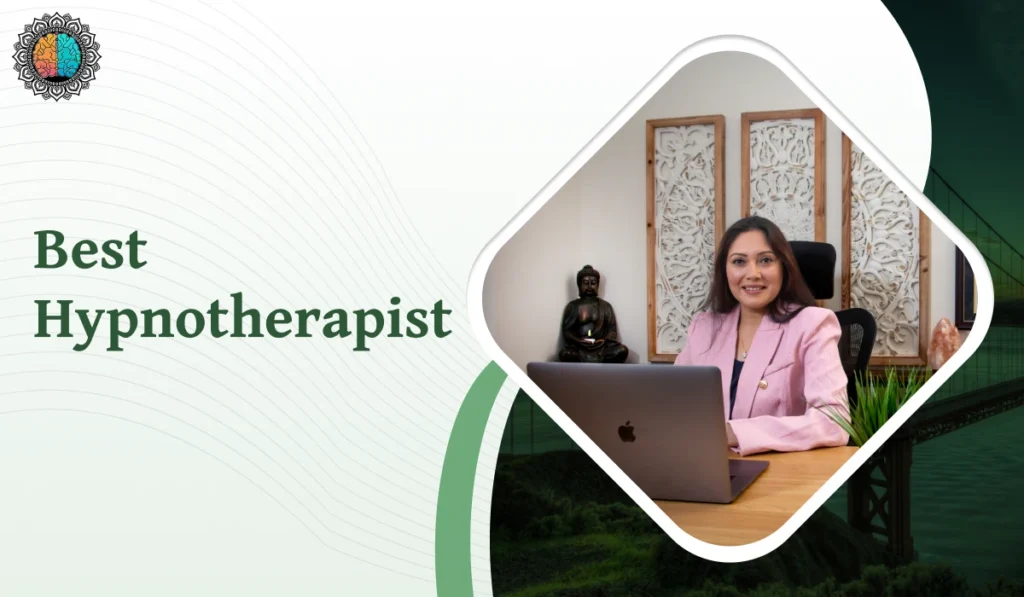
Jigeesha Pandya is a Certified Hypnotherapist and Reiki Practitioner. With a background in climate change research, she shifted her focus to hypnotherapy, studying at the renowned Hypnosis and Motivation Institute in Los Angeles. Jigeesha is passionate about helping individuals harness the power of the subconscious mind for healing and growth.