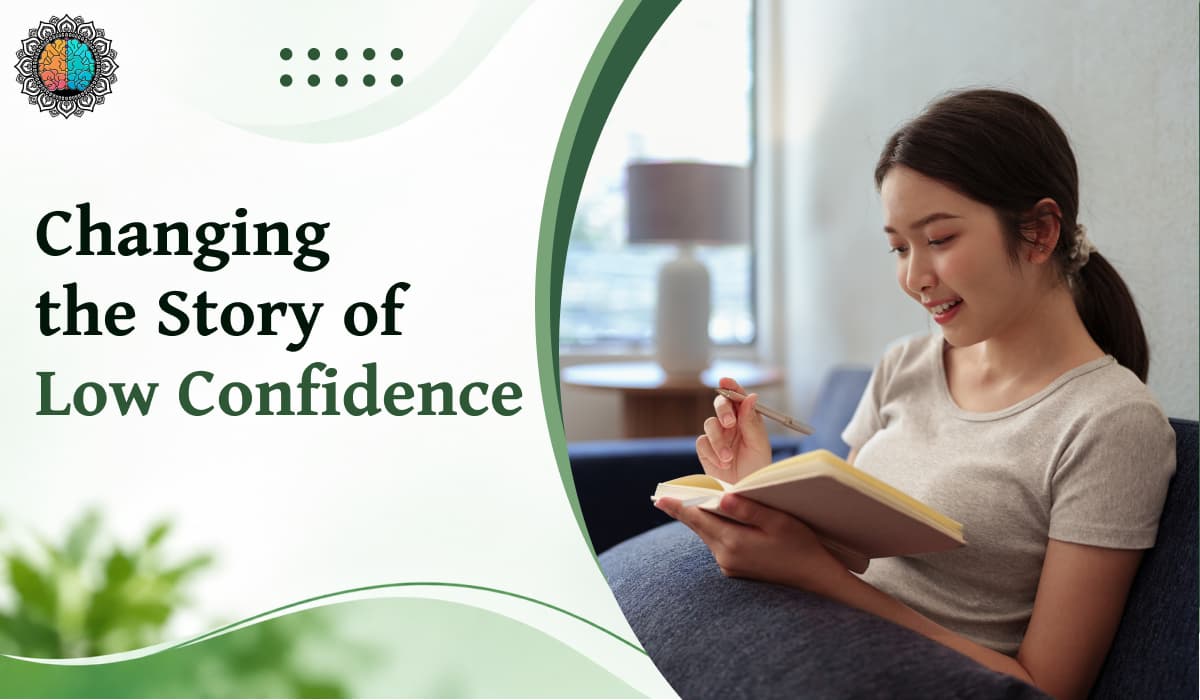
Have you ever stayed quiet in a room because you were afraid of saying something wrong? Or turned down an opportunity because you didn’t feel good enough? Sometimes, even when you’re capable, you find yourself questioning your abilities.
But does that mean you’re naturally an insecure person? Not necessarily.
Low confidence often develops through experiences, such as criticism, rejection, comparison, fear of failure, and repeated negative thinking. Over time, these experiences can shape your self-image and create limiting beliefs that make you doubt yourself.
Research supports the idea that self-esteem can change over time. A 12-year study involving 1,824 participants found that self-esteem generally changes across different stages of life rather than remaining constant.
The important thing to remember is that feeling insecure doesn’t mean you are an insecure person. With self-awareness, healthier thought patterns, and the right support, you can work towards overcoming self-doubt, strengthening self-worth, and building lasting confidence.
This blog is all about how to improve your self-confidence and find a better story for your brain.
How Does the Brain Learn Patterns of Self-Doubt?
Have you ever noticed how one negative experience can stay with you longer than several positive ones? Maybe someone criticised your work once, and now you hesitate every time you have to share an idea.
This happens because the brain learns through repetition and experience. When you repeatedly experience criticism, rejection, or failure, you can become more sensitive to similar situations. Over time, familiar thought patterns can influence how you respond to challenges and how you see yourself.
For example, repeatedly telling yourself “I’m not good enough” can make that belief feel increasingly familiar. You might start avoiding challenges, fearing judgment, or questioning your decisions before even trying.
These patterns aren’t permanent. With awareness and practice, you can improve. Understanding this connection is an important first step towards building self-confidence and strengthening your self-belief.
What Causes Low Confidence and Self-Doubt?
Low confidence rarely develops overnight. Often, it’s shaped by small experiences that gradually influence how you think about yourself. Something that happened years ago can still affect how you approach relationships, work, opportunities, and everyday decisions.
Here are some common reasons behind low self-esteem and self-doubt:
1. Past Experiences
Being rejected, embarrassed, bullied, or repeatedly criticised can affect how you see yourself. You might start associating certain situations with failure and become hesitant to try again.
2. Negative Feedback
When you constantly hear that you’re not good enough, you may eventually start believing it. Even constructive feedback can feel like personal criticism when your self-worth is already low.
3. Fear of Judgment
Worrying about what others think can make you question everything you say or do. You might avoid expressing opinions, meeting new people, or taking opportunities because you’re afraid of being judged.
4. Perfectionism
When you expect yourself to get everything right, even small mistakes can feel like major failures. This can create unnecessary pressure and make building self-confidence difficult.
5. Constant Comparison
Comparing your appearance, achievements, career, or relationships with others can make you feel like you’re falling behind. Over time, it can weaken your self-image and make you overlook your own progress.
6. Repeated Self-Criticism
The way you speak to yourself matters. Constantly thinking “I can’t do this,” “I’m not capable,” or “I’ll probably fail” can reinforce negative self-talk and strengthen self-doubt.
7. Limiting Beliefs
Sometimes, you carry beliefs about yourself without questioning where they came from. Thoughts like “I’m not smart enough” or “I don’t deserve success” can influence your decisions and prevent you from recognising your potential.
Knowing that you’re capable doesn’t always stop you from doubting yourself. You might hesitate before speaking in a meeting, avoid trying something new, or keep thinking about a mistake long after everyone else has forgotten it.
Can Hypnotherapy Help With Confidence?
Hypnotherapy for confidence may help you explore the beliefs and emotional responses behind these patterns and develop a healthier relationship with yourself.
There’s also some research worth understanding.
A 2021 randomized controlled study published in Quality of Life Research examined a combination of self-hypnosis and self-care in people recovering from cancer.
- The study initially included 104 participants, divided into an intervention group and a wait-list control group.
- The final analysis included 95 women.
- Participants receiving the hypnosis-based intervention reported improvements in self-esteem, emotional distress, mindfulness, and emotional regulation compared with the control group.
Researchers also found that improvements in mindfulness helped explain some of the improvement in self-esteem.
What Does This Mean for Someone Experiencing Low Confidence?
Imagine someone who constantly thinks, “I’m not good enough to lead this project.” Even when they have the necessary skills, fear of failure makes them avoid opportunities.
Through hypnosis for confidence, it works with the subconscious mind, helps you change those limiting beliefs you have formed for yourself over the time and practise more supportive ways of thinking.
The goal isn’t to make someone believe they’re perfect. It’s to help them develop a more balanced self-image, stronger self-belief, and greater comfort with their abilities.
Other Ways to Build Self-Confidence and Improve Self-Esteem
Building confidence doesn’t happen overnight. It comes from small, consistent actions that help you trust yourself and recognise your own abilities. Alongside hypnotherapy for confidence, here are a few practical ways to strengthen your self-belief.
1. Challenge Negative Self-Talk
Pay attention to how you speak to yourself. Instead of thinking “I’ll never get this right,” try asking, “What can I learn from this?” Replacing harsh self-criticism with realistic, supportive thoughts can help improve your self-image.
2. Stop Comparing Your Progress With Others
Everyone has different experiences, opportunities, and challenges. Instead of measuring your worth against someone else’s achievements, focus on your own progress.
3. Set Small, Achievable Goals
You don’t need to make huge changes to feel more confident. Start with manageable goals, such as sharing an opinion, learning a new skill, or starting a conversation. Each small accomplishment can strengthen your trust in yourself.
4. Learn to Accept Imperfection
Making mistakes doesn’t make you incapable. Allow yourself to try new things without expecting perfect results. Learning to handle mistakes can also help reduce your fear of failure.
5. Become Comfortable Saying No
You don’t have to agree with everyone to be liked or accepted. Setting healthy boundaries helps you respect your own needs and develop a stronger sense of self-worth.
6. Recognise Your Strengths
Make a habit of acknowledging what you do well. It could be how you handle difficult situations, support others, or solve problems. Recognising your strengths helps create a more balanced positive self-image.
7. Step Outside Your Comfort Zone
Confidence grows when you give yourself opportunities to try. Start small, whether that’s speaking up in a meeting, attending a social event, or taking on a new responsibility.
Get in Touch With a Hypnotherapist Who Can Help You Build Self-Confidence
Low confidence doesn’t define who you are, and you don’t have to let self-doubt dictate your decisions. Understanding your limiting beliefs, changing negative thought patterns, and learning to trust yourself can help you develop a healthier sense of self-worth.
If years of self-doubt, fear of judgment, or negative self-talk are holding you back, hypnotherapy for confidence may offer a supportive way to explore what’s behind these feelings.
I’m Jigeesha Pandya, a certified hypnotherapist in the Bay Area at Manah Sculpt. I help individuals explore underlying beliefs, recognise unhelpful thought patterns, and work towards developing greater self-confidence and self-belief.
You don’t need to become someone else to feel confident. Sometimes, you simply need to change the way you see yourself.
Ready to build confidence from within? Book a free consultation call to explore how hypnotherapy can support your journey towards healthier self-esteem and lasting personal growth.

Frequently Asked Questions(FAQs)
Why do I lack confidence even when I know I’m capable?
You may have developed negative thought patterns through past experiences, criticism, or fear of failure. Knowing your abilities and feeling confident in them are not always the same thing.
Can you develop confidence after years of self-doubt?
Yes. Confidence can develop at any stage of life. Recognising limiting beliefs, practising self-compassion, and taking small steps outside your comfort zone can help strengthen self-belief.
How long does it take to build self-confidence?
There is no fixed timeline. It depends on your experiences, thought patterns, and consistency. Small, repeated actions can gradually help you feel more comfortable and confident.
Can childhood experiences affect adult self-esteem?
Yes. Repeated criticism, lack of encouragement, bullying, or feeling unsupported during childhood can influence how you view yourself as an adult.
What is the difference between self-confidence and self-esteem?
Self-confidence is your belief in your ability to handle particular situations or tasks. Self-esteem is how you generally value and feel about yourself.
Can hypnotherapy help improve self-worth?
Hypnotherapy for self-worth may help you explore beliefs that influence how you value yourself and work towards developing a more supportive self-image.

Jigeesha Pandya is a Certified Hypnotherapist and Reiki Practitioner. With a background in climate change research, she shifted her focus to hypnotherapy, studying at the renowned Hypnosis and Motivation Institute in Los Angeles. Jigeesha is passionate about helping individuals harness the power of the subconscious mind for healing and growth.
- All Posts
- Hypnosis
- Motivation
- Relationship
- Test 1
- test 2